
Scientists Warn: Forests Are Losing Their Most Important Trees
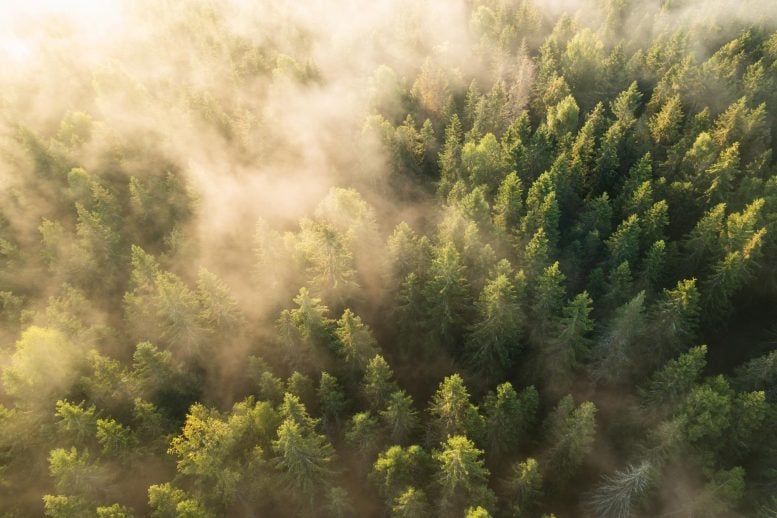
Scientists Warn: Forests Are Losing Their Most Important Trees
In a stark warning from the scientific community, researchers have sounded the alarm over a troubling transformation occurring in forests worldwide. A new study published in Nature Communications reveals that forests are becoming increasingly uniform, with fast-growing species displacing native trees at an alarming rate. This shift, driven by climate change, deforestation, and habitat loss, threatens not only the biodiversity of these ecosystems but also their ability to combat climate change.
The Rise of the “McDonald’s Forests”
Forests, once celebrated for their diversity and resilience, are now being likened to “McDonald’s” ecosystems—monotonous, predictable, and lacking the complexity that makes them so vital. Fast-growing species such as pines, eucalyptus, and poplars are rapidly expanding their dominance, often at the expense of slower-growing, native trees like oaks, maples, and beeches. These native species, which have evolved over millennia to thrive in specific environments, are being pushed to the margins or disappearing entirely.
Dr. Elena Martinez, a leading forest ecologist and co-author of the study, explains the implications: “When forests lose their diversity, they lose their strength. Native trees are not just part of the scenery; they are the backbone of these ecosystems. They support a wide range of wildlife, maintain soil health, and play a critical role in carbon storage. Without them, forests become fragile and less effective at combating climate change.”
The Domino Effect on Biodiversity
The displacement of native trees is triggering a cascade of ecological consequences. Biodiversity, the hallmark of healthy forests, is declining as habitats become less varied. Animals, fungi, and insects that depend on specific tree species for food and shelter are finding themselves without resources. For example, the loss of oak trees in North American forests has been linked to declines in bird populations, as these trees provide essential nesting sites and acorns for food.
Moreover, the dominance of fast-growing species is weakening forests’ resistance to disease and pests. Monocultures, where a single species dominates, are particularly vulnerable to outbreaks. The infamous Irish Potato Famine of the 19th century serves as a historical reminder of the dangers of relying on a single species. In forests, this vulnerability could lead to widespread die-offs, further destabilizing ecosystems.
Carbon Storage at Risk
One of the most pressing concerns is the impact on carbon storage. Trees are nature’s carbon sinks, absorbing and storing CO₂ from the atmosphere. However, fast-growing species, while efficient at sequestering carbon in the short term, do not store it as effectively as older, slower-growing trees. Native trees, with their dense wood and long lifespans, lock away carbon for centuries. In contrast, fast-growing species often have shorter lifespans and decompose more quickly, releasing stored carbon back into the atmosphere.
Dr. Martinez warns, “If we lose our native forests, we lose one of our most powerful tools in the fight against climate change. The carbon stored in these trees is not easily replaced, and the consequences of their loss will be felt for generations.”
The Human Factor
Human activities are at the heart of this transformation. Deforestation for agriculture, logging, and urban development has fragmented forests, making it easier for fast-growing species to take over. Climate change exacerbates the problem, as rising temperatures and shifting rainfall patterns create conditions that favor certain species over others. Invasive species, often introduced through global trade, further disrupt the delicate balance of forest ecosystems.
Efforts to combat these trends are underway, but they face significant challenges. Reforestation projects, while well-intentioned, often prioritize fast-growing species for their economic value, overlooking the importance of restoring native biodiversity. Conservationists argue that a more holistic approach is needed—one that prioritizes the protection and restoration of native forests.
A Call to Action
The scientific community is urging policymakers, businesses, and individuals to take immediate action. Protecting existing forests, particularly those with high biodiversity, is critical. This includes enforcing stricter regulations on deforestation, supporting sustainable logging practices, and investing in conservation efforts. Additionally, reforestation initiatives must prioritize native species to ensure the long-term health and resilience of forests.
Dr. Martinez emphasizes the urgency: “Forests are not just collections of trees; they are living, breathing systems that sustain life on Earth. If we fail to act now, we risk losing not only these ecosystems but also the countless benefits they provide.”
As the world grapples with the dual crises of climate change and biodiversity loss, the fate of forests hangs in the balance. The choices we make today will determine whether these vital ecosystems continue to thrive or become mere shadows of their former selves. The time to act is now—before the last of the “most important trees” are gone forever.
Tags and Viral Phrases:
- Forests losing their most important trees
- Climate change and deforestation
- Biodiversity crisis in forests
- Fast-growing species dominating ecosystems
- Carbon storage at risk
- Native trees pushed to the brink
- “McDonald’s forests” – monotonous and fragile
- Domino effect on wildlife and ecosystems
- Scientists sound the alarm
- Urgent call to protect native forests
- Reforestation must prioritize biodiversity
- The backbone of Earth’s ecosystems
- Climate change’s impact on forests
- Habitat loss and invasive species
- Forests as carbon sinks
- The fight against climate change
- Conservation efforts under threat
- Human activities driving forest decline
- A holistic approach to forest restoration
- The future of forests is in our hands
,


Leave a Reply
Want to join the discussion?Feel free to contribute!