
Shanghai, Guangzhou authorities deny reports of C7 license for low-speed “laotou le” EVs · TechNode
Shanghai and Guangzhou Authorities Deny Viral Claims About New C7 License for Low-Speed Electric Vehicles
In a decisive move to counter widespread misinformation, authorities in Shanghai and Guangzhou have officially denied online reports suggesting that a new C7 driver’s license would allow motorists to operate four-wheeled low-speed electric vehicles—commonly known in China as “laotou le”—and that pilot programs were set to begin this year with a nationwide rollout planned for next year.
The reports, which rapidly gained traction across social media platforms and online forums, claimed that the new C7 license would simplify the process for elderly and middle-aged drivers to operate small, low-speed electric vehicles, a category of transport that has become increasingly popular among older demographics in China due to its affordability, ease of use, and suitability for short-distance travel in urban and suburban settings.
However, investigations conducted by local transportation authorities have revealed that these reports are largely fabricated and trace their origins to driving schools and marketing accounts associated with low-speed electric vehicle manufacturers. These sources are believed to have disseminated the false information in an attempt to boost enrollment in driving courses or to stimulate demand for low-speed EVs, taking advantage of the growing interest in alternative transportation solutions for China’s aging population.
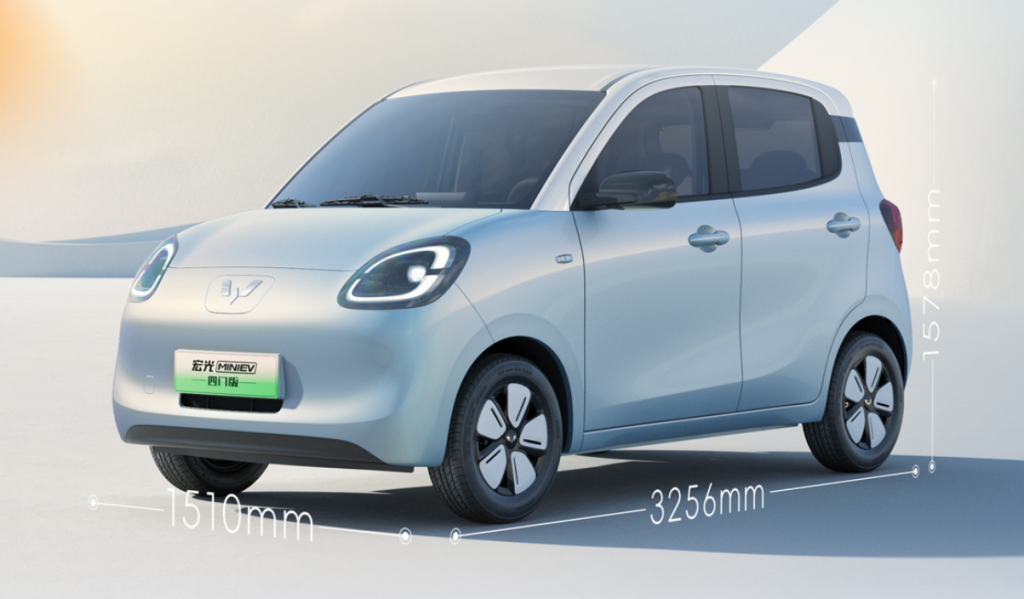
“Laotou le” vehicles, which translate roughly to “old people’s cars,” are small, lightweight, four-wheeled electric vehicles designed for low-speed travel. They are particularly favored by elderly drivers for their simplicity, low cost, and convenience in navigating residential neighborhoods and small towns. However, their legal status and regulation vary significantly across different regions of China, with some cities embracing them as a practical mobility solution and others imposing restrictions due to safety and traffic management concerns.
The China Passenger Car Association (CPCA) has previously floated the idea of simplifying licensing procedures for middle-aged and elderly drivers, but this proposal is not specifically targeted at low-speed electric vehicles. Instead, it aims to address the broader challenge of ensuring safe and accessible transportation options for an aging society, as China’s population continues to age rapidly and the demand for convenient, affordable mobility solutions grows.
Currently, the regulatory framework governing low-speed electric vehicles in China is fragmented, with different cities and provinces adopting their own rules and standards. Some regions have implemented strict registration and safety requirements, while others have allowed these vehicles to operate with minimal oversight. This patchwork of regulations has led to confusion among consumers and manufacturers alike, as well as concerns about road safety and the integration of low-speed EVs into mainstream traffic.
Experts in transportation policy and urban planning have called for the establishment of unified national standards for low-speed electric vehicles, arguing that a consistent regulatory approach would enhance safety, streamline manufacturing, and provide clearer guidance for consumers and local governments. Such standards could address issues such as vehicle safety requirements, licensing procedures, road access rights, and insurance obligations, helping to create a more predictable and secure environment for both drivers and other road users.
The denial by Shanghai and Guangzhou authorities comes amid a broader debate in China about how to balance the needs of an aging population with the imperatives of road safety and efficient urban mobility. As the popularity of low-speed electric vehicles continues to rise, policymakers face the challenge of developing regulations that protect public safety without stifling innovation or limiting access to affordable transportation options for vulnerable groups.
In the meantime, consumers are advised to exercise caution when encountering online reports about new licensing schemes or regulatory changes, especially those that seem too good to be true or are not confirmed by official sources. Authorities have urged the public to rely on information from government websites and verified news outlets to avoid falling victim to misinformation or scams.
The controversy also highlights the broader issue of how rapidly evolving transportation technologies are outpacing regulatory frameworks in many countries, including China. As new forms of mobility emerge, governments must continually adapt their policies to ensure that innovation is matched by appropriate oversight and public safety measures.
For now, the future of low-speed electric vehicles in China remains uncertain, with ongoing discussions about their role in the country’s transportation ecosystem and the best ways to integrate them into existing traffic systems. While the dream of a simplified C7 license for “laotou le” drivers may have been dashed for the time being, the underlying demand for accessible, safe, and affordable transportation for elderly and middle-aged citizens is likely to keep the issue at the forefront of policy debates in the years to come.
Tags: Shanghai, Guangzhou, C7 license, low-speed electric vehicles, laotou le, elderly drivers, China, misinformation, driving schools, electric vehicles, CPCA, transportation policy, road safety, urban mobility, aging population, national standards, regulatory framework, online rumors, viral news, technology news
Viral Phrases: “laotou le craze,” “fake license frenzy,” “elderly mobility myth,” “EV marketing hoax,” “road safety scare,” “aging China’s transport puzzle,” “low-speed EV boom,” “driver’s license drama,” “urban mobility mystery,” “China’s transport twist,” “viral vehicle rumors,” “electric vehicle enigma,” “aging drivers’ dilemma,” “traffic regulation riddle,” “mobility for seniors,” “EV policy puzzle,” “safety vs. access,” “China’s transport future,” “driver’s license denial,” “electric vehicle evolution”
,

Leave a Reply
Want to join the discussion?Feel free to contribute!