
Should we be boycotting ChatGPT? – podcast | Technology
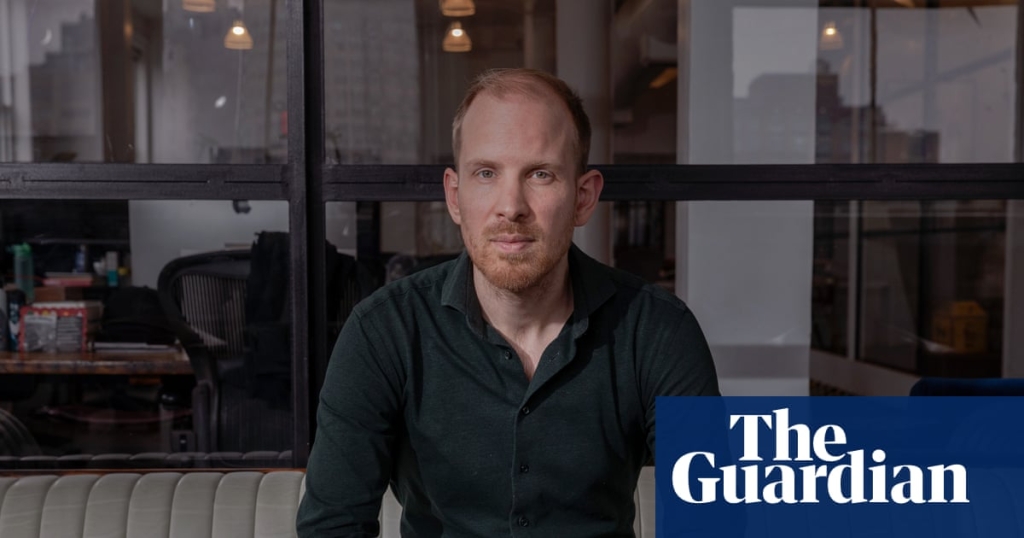
OpenAI’s Pentagon Deal Sparks Mass Boycott Movement: Historian Rutger Bregman Calls for ChatGPT Shutdown
The tech world is reeling as historian Rutger Bregman has launched a full-scale campaign calling for consumers to boycott OpenAI’s ChatGPT following the company’s controversial deal with the Pentagon. In an explosive revelation that’s sending shockwaves through Silicon Valley, Bregman claims that millions of unsuspecting users have been unknowingly contributing to what he describes as the “authoritarian infrastructure” of the Trump administration.
“A lot of people don’t know that their friendly chatbot, ChatGPT, has embedded itself into the authoritarian infrastructure of the Trump administration,” Bregman told Helen Pidd in a recent interview. This statement has become the rallying cry for what’s rapidly becoming one of the most significant consumer movements in tech history.
Bregman has joined forces with the newly formed QuitGPT organization, which is demanding nothing short of a complete corporate transformation from OpenAI. The group’s demands are uncompromising: stop all donations to Trump, refuse to allow AI for mass surveillance of Americans, and prohibit the development of lethal autonomous weapons. These aren’t just polite suggestions—they’re ultimatums backed by a growing coalition of concerned citizens, privacy advocates, and tech industry insiders.
The historian’s involvement has lent unprecedented credibility to the movement. Known for his provocative takes on wealth inequality and corporate power, Bregman sees this as more than just another boycott—it’s a historic opportunity to fundamentally reshape the relationship between big tech and government.
“With QuitGPT, we have an extraordinary historic opportunity,” Bregman declared. “An actually effective consumer boycott that may take a company down and that will send a signal to all of Silicon Valley, to boardrooms everywhere: you could be next.”
The timing couldn’t be more critical. OpenAI’s Pentagon deal, announced just weeks ago, has already raised alarm bells among privacy advocates and civil liberties organizations. The contract reportedly involves using ChatGPT’s capabilities for military applications, though specific details remain classified. This development has shattered the perception of AI chatbots as neutral tools, revealing their potential as instruments of state power.
The QuitGPT movement is gaining momentum at an unprecedented pace. Within days of launching, the organization’s website (quitgpt.org) has seen traffic surge, with thousands signing petitions and pledging to cancel their subscriptions. Social media platforms are ablaze with the hashtag #QuitGPT, as users share their cancellation stories and encourage others to join the boycott.
What makes this boycott particularly threatening to OpenAI is the company’s business model. Unlike social media platforms that rely heavily on advertising revenue, OpenAI depends significantly on premium subscriptions for ChatGPT. A mass exodus of paying customers could deliver a financial blow that forces the company to reconsider its Pentagon partnership.
Industry analysts are watching closely, noting that this could be the first successful consumer boycott of a major AI company. Previous attempts to pressure tech giants through consumer action have largely failed, but the intimate nature of AI chatbots—where users develop personal relationships with the technology—creates unique vulnerabilities.
The movement has also sparked a broader conversation about the ethical responsibilities of AI companies. Should developers of powerful AI systems be allowed to partner with military and intelligence agencies? Where should the line be drawn between technological innovation and ethical boundaries? These questions, once confined to academic circles, are now being debated in living rooms across America.
Silicon Valley insiders report growing anxiety within OpenAI’s headquarters. Employees, many of whom joined the company believing in its mission to benefit humanity, are reportedly conflicted about the Pentagon deal. Some have quietly expressed support for the boycott, though fear of professional repercussions keeps them from speaking publicly.
The Trump administration has remained silent on the controversy, though sources within the Department of Defense suggest they’re monitoring the situation closely. The Pentagon’s interest in AI technology is well-documented, with military applications ranging from logistics optimization to advanced weapons systems. OpenAI’s technology represents a significant leap forward in these capabilities.
Bregman’s call for boycott comes at a time when public trust in big tech is already at historic lows. Data breaches, misinformation campaigns, and concerns about algorithmic bias have created a perfect storm of skepticism. The revelation that ChatGPT might be contributing to government surveillance programs has pushed many users past their breaking point.
The historian isn’t just asking for symbolic gestures. He’s advocating for sustained, organized action that could genuinely impact OpenAI’s bottom line. “This isn’t about making a statement,” Bregman emphasizes. “It’s about creating real economic pressure that forces corporate accountability.”
As the boycott gains traction, questions are emerging about what success would look like. Would OpenAI need to completely sever ties with the Pentagon? Renegotiate the terms of its government contracts? Or would a significant drop in subscriptions be enough to force policy changes? The movement’s leaders are still debating these strategic questions.
What’s clear is that the tech industry is entering uncharted territory. If QuitGPT succeeds, it could establish a new paradigm for how consumers interact with AI companies—one where ethical considerations take precedence over convenience and technological novelty.
The coming weeks will be crucial. OpenAI has yet to respond publicly to the boycott, though insiders suggest the company is weighing its options carefully. A heavy-handed response could further inflame tensions, while appearing to capitulate might embolden other activist movements.
One thing is certain: the relationship between AI technology, corporate power, and government authority has reached a critical juncture. Rutger Bregman’s call for a ChatGPT boycott isn’t just about one company or one contract—it’s about who controls the future of artificial intelligence and for what purposes.
As this story continues to develop, millions of ChatGPT users face a profound question: Is their convenience worth the potential cost to democratic values and personal privacy? The answer they provide through their actions could reshape the entire tech industry.
Tags/Viral Phrases:
-
QuitGPT
-
BoycottChatGPT
-
TechRevolution
-
AIethics
-
SiliconValleyUnderFire
- “Take down Big Tech”
- “Your chatbot is spying on you”
- “The boycott that could change everything”
- “ChatGPT’s dark secret”
- “From friendly chatbot to government tool”
- “Consumer power meets artificial intelligence”
- “The moment Silicon Valley feared”
- “When your AI works for the Pentagon”
- “Delete your account, save democracy”
- “The boycott Silicon Valley can’t ignore”
- “Rutger Bregman strikes back”
- “ChatGPT’s authoritarian turn”
- “The tech uprising begins”
- “AI companies: next target for accountability”
- “Your subscription funds surveillance”
- “The boycott that terrifies boardrooms”
- “From innovation to surveillance state”
- “The power of collective action”
- “When friendly tech turns dangerous”
- “The moment AI lost its innocence”
,


Leave a Reply
Want to join the discussion?Feel free to contribute!