
Should You Still Eat Eggs After Their ‘Best-Buy’ Date? Here’s How to Tell if They’re Safe
Here’s a rewritten version of the egg freshness article with a tech-focused, viral tone:
BREAKING: Your Eggs Might Be Way Older Than You Think — Here’s How to Tell If They’re Still Good
Attention, breakfast lovers: that “best by” date on your egg carton? Total scam. According to food safety experts, those dates are more like “quality suggestions” than actual expiration warnings. And here’s the kicker — your eggs might still be perfectly safe to eat weeks after that date.
We talked to Zachary Cartwright, lead food scientist at Aqualab by Addium, to get the real scoop on egg freshness. Spoiler alert: that float test you’ve heard about? It’s legit.
The Truth About Egg Expiration Dates
Cartwright reveals that eggs typically stay fresh for 3-5 weeks in your fridge — and that’s after the “best by” date. “They often remain safe to eat for a week or two beyond that date, as long as they’ve been kept refrigerated,” he explains.
But here’s where it gets interesting: the float test isn’t just an old wives’ tale. When you drop an egg in water, it’s actually measuring air pocket growth. Fresh eggs sink and lay flat. Slightly older eggs sink but stand upright. Bad eggs float like tiny submarines.
Pro Tips for Maximum Egg Freshness
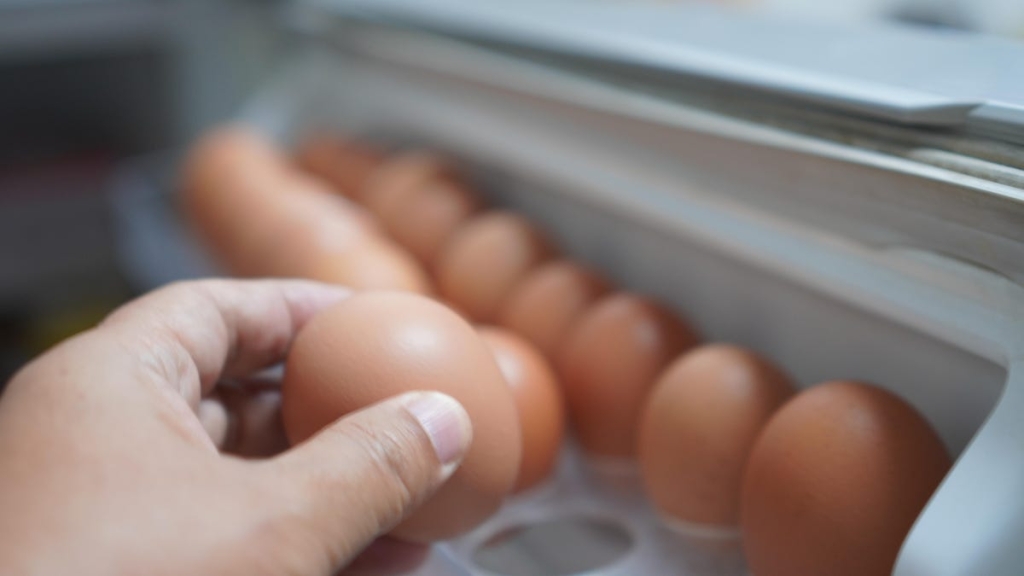
Want to extend your eggs’ lifespan? Store them in their original carton with the pointed end down. This keeps the air cell at the top and slows moisture loss. And whatever you do, don’t store them in the fridge door — that’s the worst spot due to temperature fluctuations.
The US vs. The World: Why We Refrigerate Eggs
Here’s a fun fact: Americans are basically the only ones who refrigerate eggs. Why? Because we wash off the natural protective coating. In Europe and other parts of the world, eggs sit pretty on room-temperature shelves. But once you refrigerate an egg, you’ve gotta keep it cold — condensation can lead to bacterial growth.
Can You Freeze Eggs? Absolutely
Yes, you can freeze eggs! Just not in their shells. Crack them, beat them, and store in freezer-safe containers. They’ll last up to a year. Pro tip: separate the yolks and whites for maximum versatility.
The Ultimate Egg Freshness Checklist
Before you crack that egg, check for:
- Sulfur smell (bad sign)
- Unusual colors (pink, green, or iridescent hues mean toss it)
- Float test results
Remember: if one egg in the carton fails the test, don’t assume the others are good. Test each one individually.
Bottom Line
That “expired” carton of eggs in your fridge? It might still be perfectly fine. The “best by” date is more like a quality guideline than a safety deadline. When in doubt, use the float test and your nose — they never lie.
EggFreshness #FoodSafety #KitchenHacks #BreakfastTips #FoodWaste #SustainableCooking #KitchenScience #EggTest #FoodStorage #MealPrep
viral tags:
“egg expiration myth debunked”, “floating egg test revealed”, “food waste prevention”, “refrigerator organization tips”, “kitchen science experiments”, “sustainable cooking practices”, “breakfast food hacks”, “food safety secrets”, “egg storage solutions”, “meal prep essentials”
viral sentences:
“Your eggs are probably fine — ignore that date!”, “The float test that changed everything”, “Why Americans refrigerate eggs (and nobody else does)”, “Food waste be gone: the egg edition”, “Kitchen science you can actually use”, “The $5 test that saves you $50”, “Breakfast just got smarter”, “Food safety made simple”, “The secret life of your eggs”, “Your fridge is organized wrong”
,


Leave a Reply
Want to join the discussion?Feel free to contribute!