
Skip Concrete & Gravel – This Driveway Alternative Is Cheaper (And Looks Great)
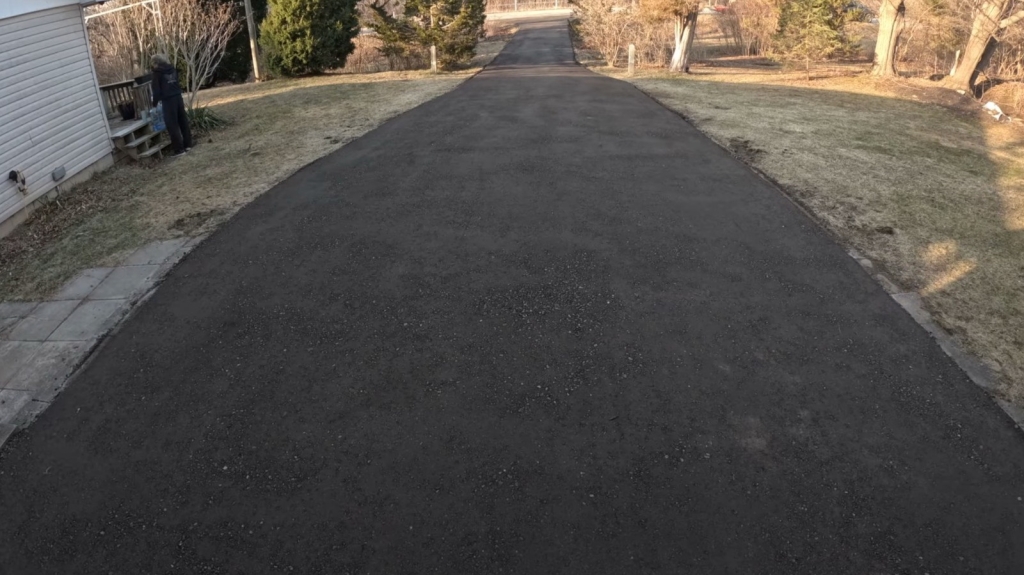
Eco-Friendly Driveway Revolution: Recycled Asphalt Pavement Gains Traction as Sustainable Alternative
As homeowners increasingly seek sustainable solutions for their properties, a revolutionary driveway material is making waves in the construction industry. Recycled Asphalt Pavement (RAP) driveways are emerging as a compelling alternative to traditional concrete and asphalt surfaces, offering both environmental benefits and cost savings that are catching the attention of eco-conscious consumers nationwide.
The Green Innovation Transforming Driveways
RAP driveways represent a brilliant marriage of environmental responsibility and practical functionality. These innovative surfaces utilize old, crushed asphalt mixed with carefully selected filler materials to create a durable, aesthetically pleasing driveway that bears a striking resemblance to conventional asphalt installations. The beauty of this approach lies in its circular economy principles—taking what would otherwise be waste material and transforming it into something both useful and attractive.
The production process for RAP driveways significantly reduces the carbon footprint associated with driveway installation. By eliminating the need for new raw materials, manufacturers dramatically decrease energy consumption during production. This translates directly to environmental benefits, as fewer natural resources are extracted and processed, and less energy is consumed in manufacturing new asphalt components.
Cost Analysis: The Financial Advantage
One of the most compelling aspects of RAP driveways is their economic advantage. Industry estimates suggest that RAP driveways typically cost between $6.20 and $8.75 per square foot, with some sources claiming installation costs can fall below $6 per square foot. This pricing structure makes RAP an attractive option when compared to traditional alternatives.
For context, standard asphalt driveways generally range from $7 to $13 per square foot, while concrete options can cost anywhere from $6 to $15 per square foot. These price variations depend on numerous factors including geographic location, current material costs, labor rates, and the specific requirements of each installation project.
The cost-effectiveness of RAP driveways extends beyond initial installation. The material’s recycled nature means reduced transportation costs for raw materials, lower energy expenses during production, and decreased overall manufacturing overhead. These savings are often passed directly to consumers, making RAP an economically sound choice for budget-conscious homeowners.
Durability and Longevity Considerations
When properly maintained, RAP driveways typically offer an impressive lifespan of approximately 20 years. This durability makes them competitive with traditional driveway materials in terms of longevity. However, achieving this lifespan requires consistent maintenance practices including routine resealing and periodic re-compaction to ensure the surface remains stable and functional.
The maintenance requirements for RAP driveways are similar to those of conventional asphalt surfaces. Regular sealing helps protect against weather damage and UV radiation, while periodic compaction prevents the surface from becoming uneven or developing depressions that could lead to water pooling.
Environmental Impact Assessment
The environmental credentials of RAP driveways extend beyond simple material recycling. The production process generates significantly less greenhouse gas emissions compared to manufacturing new asphalt. Additionally, the reduced demand for virgin materials helps preserve natural resources and minimizes the environmental disruption associated with mining and processing operations.
Water conservation is another often-overlooked benefit. The production of traditional asphalt requires substantial water usage, whereas RAP manufacturing typically uses less water, contributing to overall resource conservation efforts.
Potential Drawbacks and Considerations
Despite their numerous advantages, RAP driveways are not without potential drawbacks that prospective buyers should carefully consider. One significant concern involves the aesthetic appeal of recycled materials. Some homeowners may find that RAP driveways lack the pristine, uniform appearance of newly manufactured asphalt or the clean lines of concrete surfaces.
More serious are potential environmental concerns related to groundwater contamination. RAP’s porous nature requires chemical binders to maintain structural integrity, and there are legitimate questions about whether these chemicals might leach into surrounding soil and groundwater during rainfall events. Currently, comprehensive research on this topic remains limited, leaving some uncertainty about the long-term environmental implications of widespread RAP adoption.
Structural integrity presents another challenge. The composite nature of RAP driveways makes them inherently more brittle than surfaces made from fresh materials. This increased brittleness can lead to cracking and crumbling over time, particularly in areas subject to freeze-thaw cycles or heavy vehicle traffic.
Perhaps most concerning for some homeowners is the potential for vegetation growth through cracks in the surface. When cracks develop and expose underlying soil, opportunistic plants including moss, grass, and various weeds can take root. This not only compromises the driveway’s appearance but can also accelerate deterioration if left unaddressed.
Installation Best Practices
Success with RAP driveways heavily depends on proper installation techniques. Thorough site preparation is absolutely critical—the area must be properly graded, compacted, and cleared of vegetation before installation begins. This foundational work helps prevent many of the issues that can plague poorly installed RAP surfaces.
Professional installation by experienced contractors familiar with RAP materials is strongly recommended. These specialists understand the unique characteristics of recycled asphalt and can adjust installation techniques accordingly to maximize longevity and performance.
Beyond RAP: Exploring Alternative Options
While RAP driveways offer compelling advantages, they represent just one of several eco-friendly driveway alternatives available to homeowners. Permeable driveway systems have gained popularity as another sustainable option, particularly in areas prone to flooding or where stormwater management is a concern.
Permeable surfaces allow water to pass through rather than running off, reducing strain on municipal drainage systems and helping replenish groundwater supplies. These systems can be constructed using various materials including permeable concrete, porous asphalt, or interlocking paver systems with gravel or grass infill.
Making the Right Choice for Your Property
The decision to install a RAP driveway should be based on careful consideration of multiple factors including budget constraints, environmental priorities, aesthetic preferences, and local climate conditions. Homeowners in regions with extreme temperature fluctuations might want to weigh the potential for cracking more heavily, while those in areas with strict environmental regulations should investigate any local guidelines regarding recycled materials.
Consulting with multiple contractors and requesting detailed proposals can help ensure you make an informed decision. Be sure to ask about warranty coverage, maintenance requirements, and the specific source of the recycled materials being used.
Future Outlook for Recycled Materials in Construction
The growing popularity of RAP driveways reflects a broader trend toward sustainable building practices across the construction industry. As technology improves and recycling processes become more sophisticated, the quality and reliability of recycled material products continue to improve.
Looking ahead, we can expect to see continued innovation in this space, with new formulations and installation techniques making recycled materials even more competitive with traditional options. The success of RAP driveways may well pave the way for expanded use of recycled materials in other outdoor applications.
Tags:
recycled asphalt pavement, eco-friendly driveway, sustainable construction, driveway alternatives, green building materials, recycled materials, environmental construction, cost-effective driveway, permeable surfaces, sustainable home improvement
Viral Phrases:
“Revolutionizing driveways one recycled mile at a time”
“Turning old roads into new driveways”
“The driveway that saves the planet and your wallet”
“From waste to wonder: The RAP transformation”
“Driveways that give old asphalt a second chance”
“Green driveways that don’t cost the earth”
“The sustainable solution hiding in plain sight”
“Breaking ground with recycled innovation”
“Driveways that drive change”
“The eco-friendly path to a better driveway”
,

Leave a Reply
Want to join the discussion?Feel free to contribute!