
Slay The Spire 2 Devs Won't Add Microtransactions, Even Though Fans Would Pay For Them
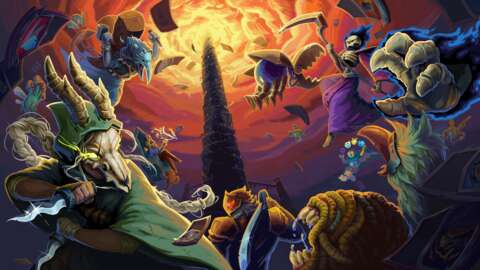
Slay the Spire 2 Devs Vow to Keep Game Microtransaction-Free Despite Massive Player Demand
In an industry where monetization strategies often dictate game development decisions, indie studio Mega Crit is taking a bold and principled stand that’s sending shockwaves through the gaming community. The developers behind the runaway success Slay the Spire 2 have made an unequivocal commitment to keep their critically acclaimed roguelike deck-builder completely free of microtransactions, even as their player base explodes to unprecedented heights.
During a revealing interview with Destructoid, Mega Crit co-founder Casey Yano laid bare the studio’s philosophy with refreshing candor. “A lot of our players threaten to buy all and any cosmetics we may ever release,” Yano admitted, acknowledging the overwhelming enthusiasm from fans who would gladly open their wallets for even the most basic cosmetic additions. Yet despite this built-in revenue stream that many AAA studios would kill for, Mega Crit remains steadfast in its anti-microtransaction stance.
The reasoning behind this decision cuts to the core of what makes Slay the Spire 2 special. “We’re microtransaction haters,” Yano stated bluntly, leaving no room for misinterpretation. This isn’t corporate speak or marketing doublespeak—it’s a genuine philosophical position that prioritizes player experience over profit maximization.
What makes this stance particularly remarkable is the context of Slay the Spire 2‘s unprecedented success. Since launching into early access on Steam, the game has achieved a concurrent player peak of 574,638—a staggering figure that dwarfs the launch numbers of high-profile titles like Marathon and Arc Raiders. To put this in perspective, we’re talking about a player base larger than many established live-service games, all concentrated around an indie title with no monetization hooks beyond the initial purchase price.
The math is compelling. With hundreds of thousands of engaged players, Mega Crit could easily implement a battle pass system, cosmetic marketplace, or gacha mechanics that would generate millions in revenue. The gaming industry is littered with examples of studios that have capitalized on similar player enthusiasm, often to the detriment of game balance and player satisfaction. Yet Mega Crit is choosing the road less traveled, prioritizing long-term player trust over short-term financial gain.
Yano elaborated on the studio’s reasoning, explaining that Mega Crit wants “players to experience all of the same content as discussion of game content and balance is sort of our lifeblood.” This philosophy speaks to a deeper understanding of what makes Slay the Spire 2 resonate with players. The game’s strength lies in its intricate balance, strategic depth, and the communal experience of theorycrafting and sharing strategies. Introducing paid content that creates even the perception of imbalance could fracture this community and undermine the very qualities that make the game special.
The decision also reflects a broader trend in gaming where players are increasingly skeptical of aggressive monetization tactics. Recent controversies surrounding games like Diablo 4, Star Wars: Battlefront II, and various mobile titles have made gamers more aware of and resistant to predatory practices. Mega Crit’s stance positions them as champions of player-first design in an industry often criticized for prioritizing shareholder returns over user experience.
What’s particularly noteworthy is that this commitment extends throughout the entire early access period. Many developers use early access as a testing ground for monetization systems, gradually introducing paid elements as the player base grows. Mega Crit is explicitly rejecting this approach, promising only free updates during the development phase. This creates a foundation of trust that could pay dividends in the long run through sustained player loyalty and positive word-of-mouth.
The studio’s approach also aligns with the roguelike genre’s heritage. Games like Hades, Dead Cells, and the original Slay the Spire built their reputations on fair, skill-based progression systems where success depends on player ability rather than wallet size. By maintaining this tradition, Mega Crit is honoring the genre’s core values while potentially setting a new standard for ethical game development.
From a business perspective, this strategy carries risks. The gaming market is increasingly competitive, and many successful titles have leveraged microtransactions to fund ongoing development and support. However, Mega Crit seems to be betting on the long game—building a reputation for integrity that could translate into sustained success across multiple projects and a loyal player base that trusts the studio’s intentions.
The timing of this announcement is particularly significant given the current state of the gaming industry. With major publishers facing increasing scrutiny over their monetization practices and regulatory bodies in various countries examining loot box mechanics and similar systems, Mega Crit’s transparent approach stands out as a refreshing alternative. It demonstrates that it’s possible to achieve massive commercial success without compromising on principles.
For players, this commitment means they can engage with Slay the Spire 2 knowing that their experience won’t be artificially extended or manipulated to encourage spending. Every challenge, every victory, and every defeat will be the result of skill and strategy rather than the depth of one’s wallet. This creates a level playing field that’s increasingly rare in modern gaming.
As Slay the Spire 2 continues its early access journey, all eyes will be on Mega Crit to see if they can maintain this principled stance in the face of potential financial pressures. The gaming community will be watching closely, ready to celebrate a studio that puts players first or to criticize any deviation from this stated commitment.
What’s clear is that Mega Crit has already made a powerful statement about the kind of games they want to create and the kind of relationship they want to have with their players. In an industry often criticized for putting profits before people, this indie studio is proving that success and integrity aren’t mutually exclusive—they might just be the perfect combination.
SlayTheSpire2 #NoMicrotransactions #IndieDev #GamingEthics #PlayerFirst #MegaCrit #Roguelike #DeckBuilder #EarlyAccess #SteamSuccess #GamingCommunity #EthicalGaming #GameDevelopment #PlayerExperience #NoPayToWin #GamingNews #SteamCharts #IndieGames #GameBalance #CommunityFirst #GamingPhilosophy #MicrotransactionFree #PlayerTrust #GameDesign #SteamEarlyAccess #GamingIndustry #IndieStudio #GameMonetization #PlayerSatisfaction #GamingTrends #SteamRecords #GameSuccess #PlayerLoyalty #GamingIntegrity #GameUpdates #FreeContent #GamingStandards #PlayerDiscussion #GameBalance #CommunityEngagement #GamingValues #PlayerEquality #GamePhilosophy #SteamLaunch #PlayerBase #GamingPrinciples #GameDevelopmentEthics #PlayerExperienceMatters #GamingFuture #PlayerFocused #GameIndustryNews #PlayerCommunity #GamingCulture #EthicalGameDesign #PlayerAdvocacy #GameIndustryTrends #PlayerRights #GamingInnovation #PlayerEmpowerment #GameIndustryEthics #PlayerVoice #GamingLeadership #PlayerCentric #GameIndustryFuture #PlayerAdvocacy #GamingExcellence #PlayerExperienceFirst #GameIndustryChange #PlayerDriven #GamingRevolution #PlayerFocusedDesign #GameIndustryStandards #PlayerExperiencePriority #GamingIntegrityMatters #PlayerCommunityFirst #GameIndustryEvolution #PlayerExperienceExcellence #GamingPhilosophyMatters #PlayerExperienceRevolution #GameIndustryLeadership #PlayerExperienceInnovation #GamingEthicsMatter #PlayerExperiencePriority #GameIndustryTransformation #PlayerExperienceLeadership #GamingFutureForward #PlayerExperienceExcellence #GameIndustryProgress #PlayerExperienceRevolution #GamingEthicsLeadership #PlayerExperienceMattersMost #GameIndustryInnovation #PlayerExperienceFirstAlways #GamingEthicsRevolution #PlayerExperiencePriority #GameIndustryChangeMakers #PlayerExperienceExcellence #GamingEthicsMatterMost #PlayerExperienceLeadership #GameIndustryTransformation #PlayerExperienceRevolution #GamingEthicsRevolution #PlayerExperienceMattersMost #GameIndustryProgress #PlayerExperienceLeadership #GamingEthicsLeadership #PlayerExperienceRevolution #GameIndustryInnovation #PlayerExperienceFirstAlways #GamingEthicsRevolution #PlayerExperiencePriority #GameIndustryChangeMakers #PlayerExperienceExcellence #GamingEthicsMatterMost #PlayerExperienceLeadership #GameIndustryTransformation #PlayerExperienceRevolution #GamingEthicsRevolution #PlayerExperienceMattersMost #GameIndustryProgress #PlayerExperienceLeadership #GamingEthicsLeadership #PlayerExperienceRevolution #GameIndustryInnovation #PlayerExperienceFirstAlways
,


Leave a Reply
Want to join the discussion?Feel free to contribute!