
Some AI researchers have left Apple but that won't affect Siri's big upgrade
Apple’s AI Talent Landscape: A Closer Look at Siri’s Evolution and Industry Dynamics
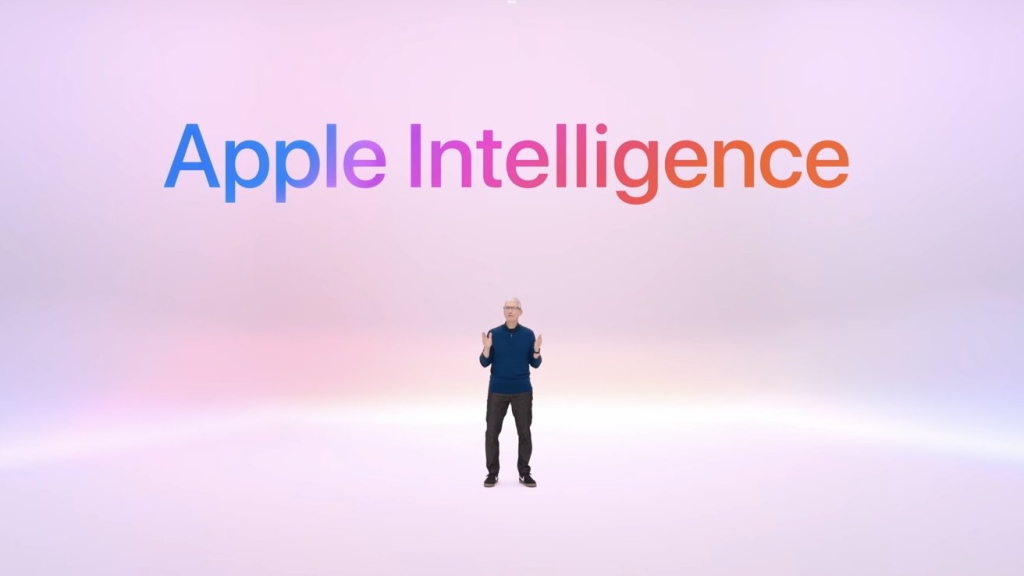
Apple’s artificial intelligence division continues to evolve as the tech giant works to reimagine Siri through its ambitious Apple Intelligence initiative. Recent reports of AI researcher departures from Cupertino have sparked discussions about the stability of Apple’s AI ambitions, but industry analysts suggest these moves represent standard Silicon Valley churn rather than cause for concern.
The Cupertino-based technology company has been working diligently to transform Siri from its current state—a collection of specialized features—into a more sophisticated, system-level interface powered by advanced language models. This strategic pivot comes after years of mounting criticism that Apple’s virtual assistant has fallen behind competitors like Amazon’s Alexa, Google Assistant, and newer AI-powered chatbots that leverage large language models.
Sources familiar with Apple’s internal operations indicate that the company has experienced approximately average turnover rates for engineers within its AI division, aligning with broader Silicon Valley patterns. The recent departures, including that of a senior Siri engineering executive, appear to follow this established industry norm rather than signaling internal disruption.
The competitive landscape for AI talent has become increasingly fierce, with major technology companies and well-funded startups all competing for the same pool of specialized engineers and researchers. This intense competition naturally leads to movement within the industry as professionals seek new challenges, better compensation packages, or opportunities to work on different aspects of artificial intelligence.
Apple’s approach to rebuilding Siri centers on integrating more advanced natural language processing capabilities while maintaining the privacy-focused architecture that has become a hallmark of Apple’s product philosophy. The company aims to create a more conversational and capable assistant that can better understand context and perform more complex tasks across the Apple ecosystem.
Industry observers note that Apple’s methodical, privacy-centric approach to AI development differs significantly from competitors who have prioritized rapid deployment of cloud-based solutions. This fundamental difference in philosophy may influence both the pace of development and the types of talent Apple seeks to recruit and retain.
The recent organizational changes within Apple’s AI division appear to be part of a broader restructuring effort aimed at accelerating development timelines while maintaining the company’s commitment to user privacy and on-device processing. These changes include both departures and new hires, suggesting a dynamic but stable evolution of the team responsible for Siri’s future.
Apple’s substantial financial resources and brand strength continue to make it an attractive destination for top AI talent, even as the competition for specialized skills intensifies. The company’s integrated hardware and software ecosystem provides unique opportunities for AI researchers to develop solutions that can be deeply embedded across devices, from iPhones to Macs to emerging wearable technologies.
The timing of these personnel changes coincides with Apple’s preparations for major Siri enhancements expected to be unveiled at upcoming developer conferences and product launch events. Industry analysts suggest that Apple’s roadmap for Siri remains on track, with the company continuing to invest heavily in both talent acquisition and research and development.
Privacy considerations remain central to Apple’s AI strategy, with the company emphasizing on-device processing and differential privacy techniques to protect user data while still delivering intelligent features. This approach may require different engineering skills compared to cloud-centric AI development, potentially influencing the composition of Apple’s AI team.
The competitive dynamics in the AI assistant market continue to evolve rapidly, with new entrants and technological breakthroughs occurring regularly. Apple’s measured approach to Siri’s evolution reflects both the technical challenges involved and the company’s desire to deliver a polished, privacy-respecting solution rather than rushing to market with incomplete features.
Employee movement within the AI sector often reflects the natural evolution of careers in a rapidly advancing field. Many professionals move between companies to gain exposure to different approaches, technologies, and problem domains. This cross-pollination of ideas and expertise can ultimately benefit the entire industry, including Apple’s ongoing efforts to enhance its AI capabilities.
Apple’s substantial installed base of devices provides a unique advantage in deploying AI features at scale, potentially making the company an attractive long-term destination for engineers interested in working on widely used consumer technology. The integration of AI across Apple’s product lineup offers opportunities for system-level innovations that may be more challenging to achieve in more fragmented technology ecosystems.
The company’s recent recruitment efforts suggest continued investment in building a world-class AI team, with positions focused on areas ranging from natural language processing to computer vision to machine learning infrastructure. This ongoing hiring activity indicates confidence in the long-term strategic importance of AI to Apple’s product roadmap.
Industry analysts emphasize that the quality and direction of Apple’s AI efforts should be evaluated based on the capabilities and features delivered to users rather than personnel changes alone. The company’s track record of successfully executing complex technological transitions suggests that Siri’s evolution is likely to continue despite the normal turnover inherent in the technology industry.
Apple’s approach to AI development, characterized by careful integration with existing products and strong privacy protections, represents a distinct philosophy in a field often dominated by rapid, sometimes reckless deployment of new technologies. This thoughtful approach may appeal to both users and engineers who prioritize responsible innovation over speed to market.
The transformation of Siri represents one of Apple’s most significant software challenges in recent years, requiring not just technical expertise but also careful consideration of how AI features integrate with Apple’s broader ecosystem and design philosophy. The company’s ability to navigate these complex requirements while managing normal organizational dynamics speaks to the maturity of its AI development processes.
As Apple continues to evolve its AI capabilities, the focus remains on delivering tangible benefits to users through more capable, context-aware, and privacy-respecting intelligent features. The company’s substantial resources, integrated ecosystem, and commitment to user privacy position it well to compete in the rapidly evolving landscape of artificial intelligence, regardless of the normal personnel changes that characterize the industry.
Tags: Apple AI, Siri upgrade, Silicon Valley churn, artificial intelligence talent, Apple Intelligence, tech industry turnover, AI research departures, virtual assistant evolution, natural language processing, machine learning engineering, privacy-focused AI, tech talent competition, Apple ecosystem, AI development strategy, Siri transformation
Viral phrases: “Siri’s big upgrade is still on track,” “Apple’s AI team sees standard Silicon Valley churn,” “The privacy-first approach to AI development,” “Apple’s methodical AI evolution continues,” “Siri’s transformation from narrow features to system-level intelligence,” “The fierce competition for AI talent in tech,” “Apple’s unique advantage in AI deployment,” “Responsible innovation in artificial intelligence,” “The future of intelligent assistants,” “Apple’s integrated ecosystem advantage,” “AI talent movement reflects industry dynamics,” “Privacy at the core of Apple’s AI strategy,” “The evolution of conversational AI,” “Apple’s substantial investment in AI capabilities,” “Navigating the complex landscape of AI development”
,


Leave a Reply
Want to join the discussion?Feel free to contribute!