
Some Samsung Users Are Already Reporting Dead Screens on Their $2,900 Galaxy Z TriFold Phones
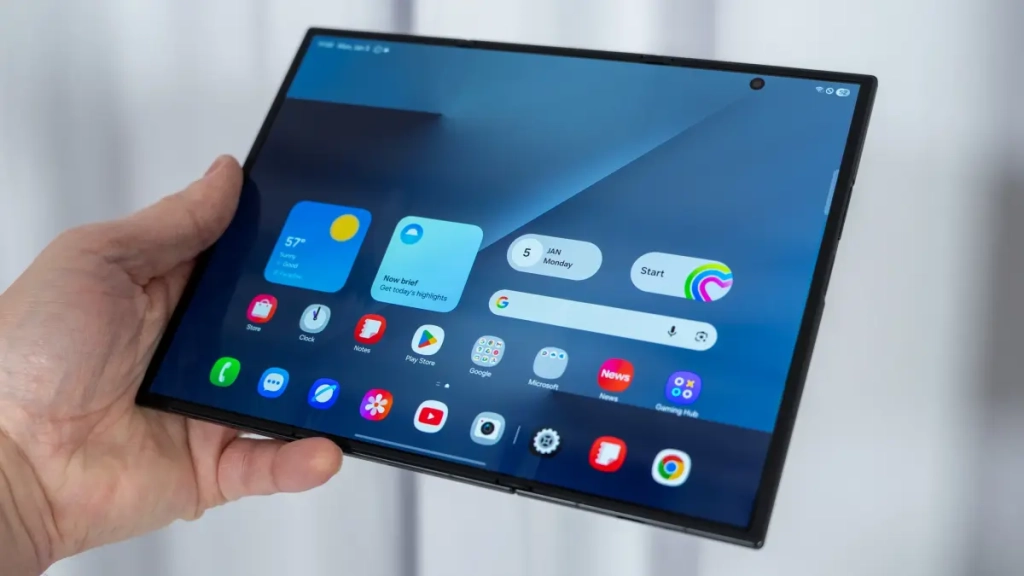
Samsung Galaxy Z Trifold: Early Adopters Report Screen Failures—Is This $2,900 Phone Worth the Risk?
Samsung’s groundbreaking Galaxy Z Trifold, the first commercially available trifold smartphone in the U.S., has hit the market with a bang—and unfortunately, a few screen-related hiccups that have early adopters raising eyebrows and questioning whether this technological marvel is worth its hefty $2,900 price tag.
The $2,900 Dream Turns Into a Nightmare for Some Users
Since its U.S. launch at the end of January, Samsung’s ambitious trifold device has been making waves in the tech community. The phone boasts a massive 10-inch display that ingeniously folds into a pocket-sized form factor, representing a significant leap forward in mobile technology. However, as with many first-generation devices pushing the boundaries of innovation, some users are experiencing growing pains that have left them frustrated and out of pocket.
Two American Reddit users have come forward with troubling reports of screen failures on their brand-new devices, while a Korean user reported similar issues earlier in January. These aren’t isolated incidents—they’re red flags that could signal deeper quality control issues with Samsung’s most ambitious foldable yet.
Case Study #1: The Flashing Green Screen of Death
The first user, who purchased their Trifold while overseas and had been using it for approximately six weeks, described a progressively worsening issue. Their inner screen began exhibiting periodic green flashes before going completely black and becoming unresponsive. What makes this particularly concerning is the intermittent nature of the problem—sometimes a simple restart would immediately resolve the issue, while other times the phone required several hours of operation before a restart would work.
This pattern suggests a potential hardware failure rather than a simple software glitch. The green flashing is particularly telling, as it often indicates a failing ribbon cable or connection issue—a problem that typically requires professional repair rather than a user-side fix.
Case Study #2: Five Days to Failure
The second report is even more alarming. This user experienced complete screen failure within just five days of purchase. The issues began with “ghost touching”—the device registering phantom touches when no actual contact was made. The following day, the screen turned completely white and has remained unresponsive ever since.
Adding to the mystery, the user reported hearing a “strange popping sound” while closing the device, followed by what appeared to be an air bubble forming underneath the screen. This description raises serious questions about the device’s structural integrity and whether the screen’s protective layers are properly sealed.
The Pixel Problem: A Third Victim Emerges
A Korean user reported similar issues in mid-January, noting a line of dead pixels appearing on the left side of their screen. While less severe than complete screen failure, dead pixels on a $2,900 device are unacceptable and suggest potential manufacturing inconsistencies.
Expert Analysis: What’s Really Going On?
Tech enthusiasts and repair experts have weighed in with their theories. The green flashing screen is widely suspected to be indicative of a failing ribbon cable—a common issue in complex foldable devices where multiple layers of circuitry must bend repeatedly. This type of failure is particularly concerning because it suggests the cable may be wearing out faster than expected under normal usage conditions.
The white screen with ghost touching and the popping sound described by the second user points to more serious structural issues. Some experts are drawing parallels to problems experienced by earlier foldable devices, including the original Galaxy Z Fold and the Google Pixel Fold, both of which suffered from screen failures due to dust ingress, debris under the screen, or manufacturing defects.
Samsung’s Response: Mixed Results
Despite these concerning reports, Samsung’s customer service response has been notably proactive. The first user with the flashing screen reported that Samsung agreed to repair their device free of charge, though they face a 1-3 week wait time. The second user opted for a full return rather than repair, choosing to revert to the more established Galaxy Z Fold 7 instead. The Korean user with dead pixels received a free replacement device, with Samsung requesting their faulty unit “for research purposes.”
Is the Galaxy Z Trifold a Bad Investment?
While these reports represent a small fraction of total units sold, they raise important questions about the reliability of cutting-edge technology. At $2,900, the Galaxy Z Trifold represents a significant financial commitment, and early adopters are essentially paying a premium to be beta testers for Samsung’s latest innovation.
The timing of these failures is particularly concerning. These devices aren’t being subjected to extreme conditions or rough handling—they’re failing during what should be normal usage patterns. This suggests fundamental design or manufacturing issues rather than user error.
Protection Strategies for Potential Buyers
For those still considering the Galaxy Z Trifold despite these reports, experts recommend several protective measures:
-
Samsung Care+ Protection: This extended warranty program can provide coverage for accidental damage and ensure repair eligibility after the standard warranty expires. Given the device’s price and complexity, this additional investment could prove worthwhile.
-
Patient Purchasing: With the device currently out of stock in the U.S. and a new batch scheduled for release, waiting for the next production run might allow Samsung time to address any manufacturing issues that have surfaced.
-
Realistic Expectations: Understanding that first-generation technology often comes with bugs and potential failures can help manage expectations and reduce disappointment if issues arise.
The Broader Implications for Foldable Technology
The Galaxy Z Trifold represents a significant milestone in mobile device evolution, but these early issues highlight the challenges of pushing technological boundaries. Foldable and trifold devices require complex engineering solutions to create displays that can bend repeatedly without failing—a problem that traditional rigid screens don’t face.
These issues may also impact consumer confidence in foldable technology more broadly. If high-profile failures continue to emerge from Samsung’s trifold, it could slow adoption of foldable devices across the industry, potentially delaying further innovations in this space.
Looking Ahead: Can Samsung Recover?
Samsung has a history of addressing issues in subsequent production runs, and the company’s willingness to provide free repairs and replacements suggests they’re taking these problems seriously. However, the optics of multiple screen failures on a $2,900 device are difficult to overcome, especially when competing products from other manufacturers may offer more reliability at lower price points.
The tech community will be watching closely to see how Samsung addresses these issues in future production batches and whether they can maintain the momentum of foldable technology adoption despite these early setbacks.
Tags: Samsung Galaxy Z Trifold, foldable phone failures, screen issues, $2,900 smartphone, early adopter problems, Samsung customer service, trifold technology, mobile innovation, display failures, ghost touching, dead pixels, ribbon cable issues, tech investment risks, first-generation device problems, Samsung Care+ warranty
Viral Phrases: “The $2,900 nightmare,” “Five days to failure,” “Green flashing screen of death,” “Strange popping sound,” “Air bubble under the screen,” “Beta testing a $2,900 device,” “Samsung’s most ambitious foldable yet,” “The risks of early adoption,” “Is this innovation worth the price?”
,


Leave a Reply
Want to join the discussion?Feel free to contribute!