
SpaceX has reportedly filed for the biggest IPO in history
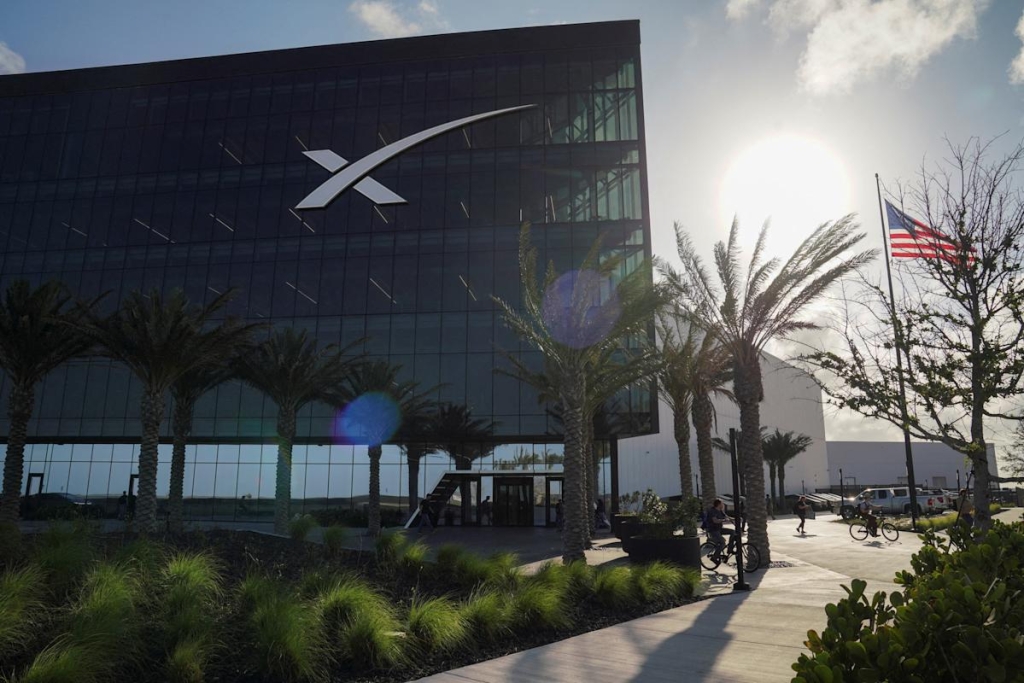
SpaceX Files Confidential IPO Paperwork, Aims for Record-Breaking $75 Billion Offering in Bold Move to Fund Galactic Ambitions
In a move that has sent shockwaves through both the financial and aerospace sectors, SpaceX has officially filed confidential draft registration paperwork with the U.S. Securities and Exchange Commission (SEC), signaling its intent to launch what could become the largest initial public offering (IPO) in history. Sources close to the matter, cited by Bloomberg, indicate that the Elon Musk-led company is targeting a staggering $75 billion raise—nearly three times the previous record set by Saudi Aramco’s $24 billion IPO in 2019.
The confidential filing approach, while not uncommon among high-profile tech companies, allows SpaceX to engage in private discussions with SEC regulators before unveiling its financial details to the public. This strategic maneuver gives the company breathing room to refine its offering strategy, determine optimal share pricing, and address any regulatory concerns before the formal announcement.
Industry analysts have long speculated about SpaceX’s eventual public debut, with rumors circulating for months about a potential July timeline. The confidential filing appears to confirm these suspicions, though the company has yet to announce a definitive date for its market debut.
Valuation Targets Reach Stratospheric Heights
Perhaps even more eye-popping than the fundraising target is SpaceX’s reported valuation ambition. The company is said to be seeking a $1.75 trillion valuation—a figure that would place it among the most valuable companies globally, surpassing tech giants like Apple and Microsoft. This represents a significant jump from its valuation following the acquisition of xAI earlier this year, when the entire entity was valued at $1.25 trillion.
The xAI acquisition, which effectively made SpaceX the parent company of both X (formerly Twitter) and the AI firm behind the Grok chatbot, has further diversified Musk’s sprawling business empire. This consolidation of AI, social media, and aerospace assets under one corporate umbrella has only intensified investor interest in the potential IPO.
Funding the Future of Space Exploration
The astronomical sum SpaceX aims to raise isn’t merely for show—it’s intended to fuel an ambitious slate of projects that could reshape humanity’s relationship with space. Chief among these is the Starship program, SpaceX’s fully reusable spacecraft system designed for missions to the Moon, Mars, and beyond.
Starship has faced its share of challenges, including a series of explosive test flights that have tested the patience of regulators and investors alike. However, Musk remains undeterred, viewing Starship as the key to making humanity a multiplanetary species. The additional capital from the IPO would allow SpaceX to accelerate development, conduct more frequent test flights, and potentially overcome the technical hurdles that have plagued the program.
Lunar Bases and Martian Colonies
Beyond Starship, SpaceX has outlined even more ambitious plans that would benefit from the influx of public capital. The company has expressed interest in establishing a permanent lunar base, potentially in partnership with NASA’s Artemis program. Such a base would serve as both a scientific outpost and a proving ground for technologies needed for deeper space exploration.
The ultimate prize, however, remains Mars. Musk has repeatedly stated his goal of establishing a self-sustaining colony on the Red Planet, viewing it as essential for the long-term survival of human civilization. The $75 billion from the IPO could significantly accelerate these Mars plans, funding everything from the development of more advanced spacecraft to the infrastructure needed to support human life on another world.
Orbital AI Data Centers: The Next Frontier
In perhaps its most audacious proposal, SpaceX has floated the idea of placing AI data centers in orbit. This concept, while still in its early stages, could revolutionize the tech industry by providing virtually unlimited computational power without the environmental constraints of Earth-based facilities. However, it also raises concerns about space debris, energy consumption, and the militarization of space.
The convergence of SpaceX’s aerospace capabilities with its AI ambitions through xAI creates a unique ecosystem that few other companies can match. This vertical integration—from rocket manufacturing to satellite deployment to AI development—positions SpaceX as a potential leader in what some are calling the “New Space Economy.”
Market Implications and Investor Appetite
The potential IPO has already generated significant buzz among institutional and retail investors alike. The combination of SpaceX’s proven track record—including its dominance in satellite launches and its Starlink internet constellation—with its futuristic ambitions creates a compelling investment narrative.
However, challenges remain. The sheer size of the offering could strain market demand, and investors will undoubtedly scrutinize the company’s path to profitability, particularly given the capital-intensive nature of its projects. Additionally, Musk’s divided attention between SpaceX, Tesla, X, and xAI may raise concerns about his ability to effectively lead such a complex organization.
Regulatory and Competitive Landscape
As SpaceX moves closer to its IPO, it will need to navigate an increasingly complex regulatory environment. The company faces scrutiny from multiple agencies, including the FAA for launch operations, the FCC for Starlink, and now potentially new oversight as a public company.
Competitors are also circling. Blue Origin, founded by Amazon’s Jeff Bezos, continues to develop its New Glenn rocket, while traditional aerospace firms like Boeing and Lockheed Martin are investing heavily in their space divisions. Even tech giants like Amazon (with its Project Kuiper satellite constellation) are entering the space race, creating a more crowded field for SpaceX to navigate.
The Musk Factor
No discussion of SpaceX’s IPO would be complete without addressing the Elon Musk factor. Love him or hate him, Musk’s visionary leadership has been instrumental in SpaceX’s success. His ability to attract top talent, secure government contracts, and inspire public imagination has few parallels in modern business.
However, Musk’s controversial statements and actions—both online and offline—have also created volatility for his companies. Investors will need to weigh the potential for groundbreaking innovation against the risks associated with Musk’s unpredictable behavior.
Tags & Viral Phrases:
- SpaceX IPO filing
- $75 billion IPO target
- $1.75 trillion valuation
- Elon Musk space ambitions
- Starship program funding
- Lunar base development
- Mars colonization plans
- Orbital AI data centers
- New Space Economy
- Confidential SEC filing
- Largest IPO in history
- SpaceX Starlink expansion
- xAI acquisition impact
- Space race 2.0
- Jeff Bezos Blue Origin rivalry
- NASA Artemis partnership
- Multimodal space ventures
- Tech billionaire space race
- Reusable rocket technology
- Space debris concerns
- Public market debut speculation
- SEC regulatory scrutiny
- Institutional investor interest
- Retail investor FOMO
- Space industry disruption
- Galactic ambitions funding
- Earth’s first trillion-dollar company
- Private space exploration era
- Commercial spaceflight revolution
,


Leave a Reply
Want to join the discussion?Feel free to contribute!