
Spain’s Ministry of Science shuts down systems after breach claims
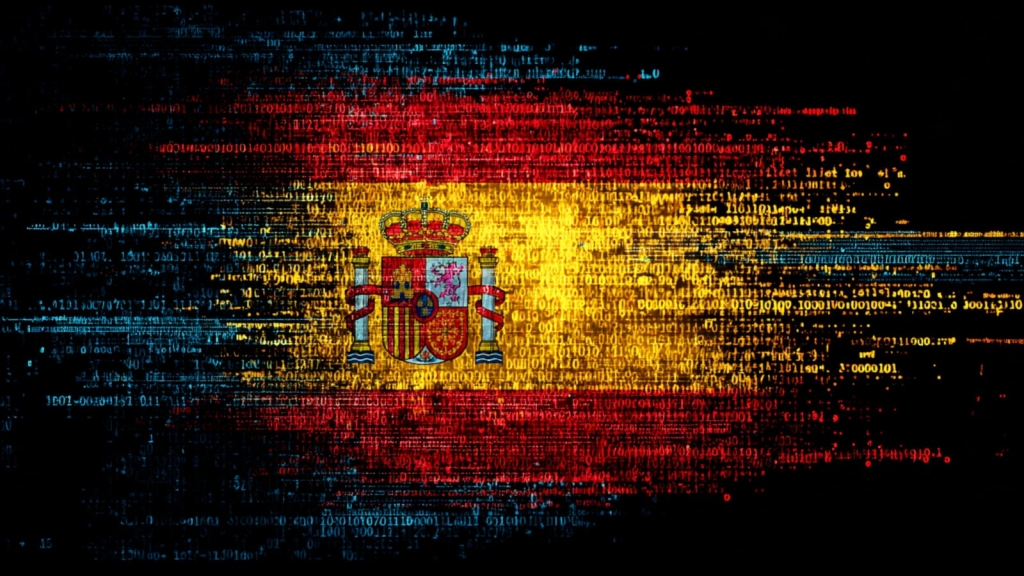
Spain’s Ministry of Science Shuts Down Systems After Suspected Cyberattack
In a dramatic turn of events, Spain’s Ministry of Science, Innovation and Universities (Ministerio de Ciencia, Innovación y Universidades) has taken the unprecedented step of partially shutting down its IT systems following a suspected cyberattack. The move has sent shockwaves through the scientific and academic communities, raising concerns about the security of sensitive data and the potential disruption to critical research and educational processes.
The Ministry, a cornerstone of Spain’s scientific and educational infrastructure, is responsible for shaping policies related to research, innovation, and higher education. Its systems are integral to the daily operations of researchers, universities, and students across the country, handling a wealth of sensitive information, from personal records to groundbreaking research data.
In an official announcement posted on its website, the Ministry cited a “technical incident” as the reason for the partial closure of its electronic headquarters. The statement, while brief, confirmed that all ongoing administrative procedures have been suspended to safeguard the rights and interests of those affected. The Ministry also assured the public that it would extend deadlines for affected processes in accordance with Article 32 of Law 39/2015, aiming to mitigate the impact of the disruption.
However, the true nature of the “technical incident” remains shrouded in mystery. A threat actor claiming responsibility for the breach has emerged, alleging that they exploited a critical Insecure Direct Object Reference (IDOR) vulnerability to gain full administrative access to the Ministry’s systems. The hacker, operating under the alias ‘GordonFreeman’—a nod to the iconic protagonist of the Half-Life video game series—has reportedly offered stolen data to the highest bidder on underground forums.
The alleged breach has raised alarm bells, with the threat actor leaking samples of what they claim to be stolen data. These samples reportedly include personal records, email addresses, enrollment applications, and screenshots of official documents. While the authenticity of these claims cannot be independently verified, the images appear legitimate, adding a layer of credibility to the hacker’s assertions.
The Ministry has yet to provide a detailed response to these allegations, leaving the public in a state of uncertainty. Spanish media outlets, however, have reported that a Ministry spokesperson confirmed the IT systems disruption is related to a cyberattack, further fueling speculation about the scale and severity of the breach.
This incident underscores the growing threat of cyberattacks on government institutions and the critical need for robust cybersecurity measures. The Ministry’s swift action to shut down its systems highlights the seriousness of the situation, but it also raises questions about the vulnerabilities that allowed such a breach to occur in the first place.
As the investigation unfolds, the scientific and academic communities are left grappling with the potential fallout. Researchers, students, and institutions that rely on the Ministry’s systems are facing delays and disruptions, while concerns about the security of sensitive data loom large.
The incident serves as a stark reminder of the evolving landscape of cyber threats and the importance of vigilance in protecting critical infrastructure. As the Ministry works to restore its systems and address the breach, the eyes of the nation—and the world—remain fixed on Spain’s response to this unprecedented challenge.
Tags: Spain, Ministry of Science, cyberattack, data breach, cybersecurity, IDOR vulnerability, GordonFreeman, underground forums, sensitive data, government systems, technical incident, administrative procedures, research data, academic institutions, Spanish media, Ministry spokesperson, IT infrastructure, cybersecurity measures, critical infrastructure, scientific community, academic community, data security, breach investigation, system shutdown, electronic headquarters, Law 39/2015, personal records, email addresses, enrollment applications, official documents, Half-Life, threat actor, underground forums, data samples, system vulnerabilities, government response, public uncertainty, research disruption, educational processes, cybersecurity landscape, vigilance, critical infrastructure protection, national security, global attention, unprecedented challenge, system restoration, breach response, data protection, institutional security, government accountability, technological resilience, cyber resilience, digital security, information security, cyber threats, government institutions, cybersecurity threats, data breaches, system vulnerabilities, administrative systems, sensitive information, personal data, research data, academic data, educational data, institutional data, government data, official data, confidential data, classified data, secure systems, secure infrastructure, secure networks, secure data, secure information, secure processes, secure procedures, secure operations, secure communications, secure transactions, secure access, secure authentication, secure authorization, secure encryption, secure protocols, secure standards, secure compliance, secure governance, secure management, secure monitoring, secure auditing, secure reporting, secure analysis, secure assessment, secure evaluation, secure review, secure inspection, secure investigation, secure response, secure recovery, secure restoration, secure continuity, secure resilience, secure defense, secure protection, secure prevention, secure detection, secure mitigation, secure containment, secure eradication, secure recovery, secure lessons learned, secure improvement, secure innovation, secure transformation, secure evolution, secure future.
,

Leave a Reply
Want to join the discussion?Feel free to contribute!