
Starbucks plans corporate office in Nashville, impacting some Seattle-based supply chain workers
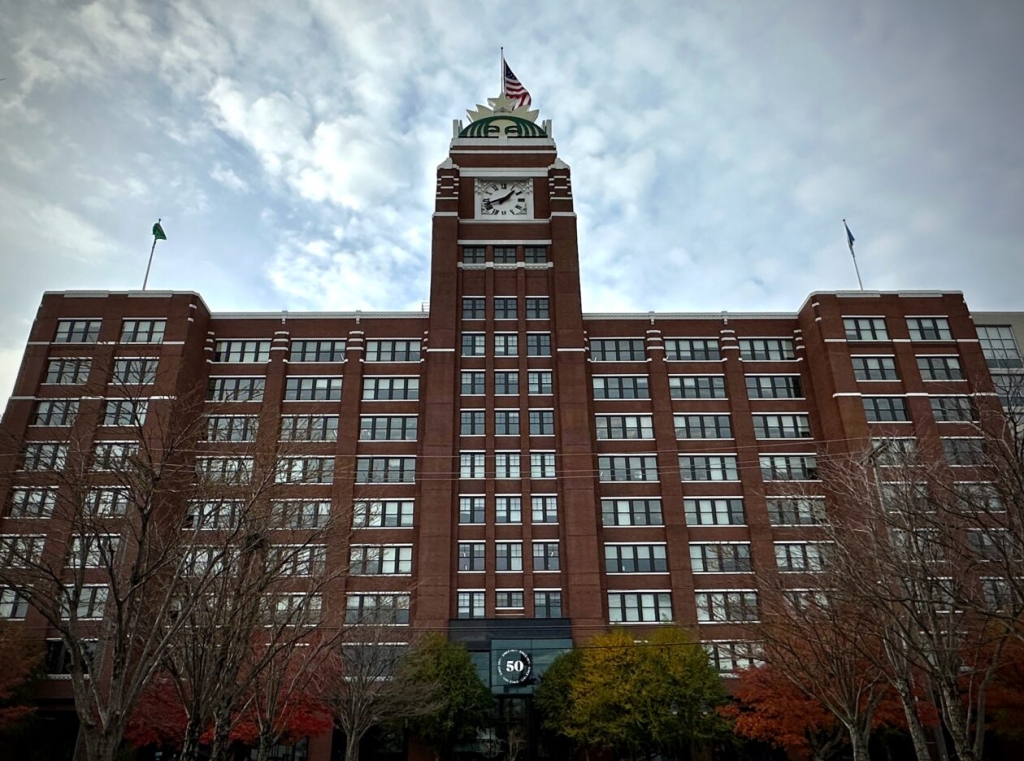
Starbucks Expands Beyond Seattle: Corporate Office Move to Nashville Signals Strategic Shift
Starbucks, the global coffee behemoth that has long called Seattle home, is making a bold strategic move by establishing a new corporate office in Nashville, Tennessee. This decision marks a significant shift in the company’s operational footprint and reflects broader trends in corporate America’s geographic diversification strategies.
The Nashville Expansion: What We Know
The Tennessee Department of Economic and Community Development officially confirmed Starbucks’ plans to open a Southeast regional corporate office in Nashville. This move will impact several hundred jobs currently based in Seattle, particularly those connected to the company’s North American supply chain operations.
According to reports from KING 5 and The Wall Street Journal, Starbucks plans to offer relocation opportunities to dozens of existing Seattle-based employees who work in direct and indirect sourcing operations teams. The company is also expected to create additional positions in the Nashville market as the office develops.
Mike Grams, Starbucks’ Chief Operating Officer, emphasized the strategic rationale behind the decision: “The city offers a deep, talented and growing workforce, making it a desirable location for us.” This statement underscores Starbucks’ intention to establish a more strategic presence in the Southeast region of the United States.
Why Nashville? The Appeal of Music City
Nashville’s emergence as a corporate destination isn’t coincidental. The city has been actively courting major employers with its combination of lower operational costs, business-friendly environment, and high quality of life. The presence of major companies like Amazon has already demonstrated Nashville’s viability as a corporate hub.
Amazon’s 2018 announcement of a “Center of Excellence for its Operations business” in Nashville, with plans to employ 5,000 people, helped establish the city as a legitimate contender for large-scale corporate operations. While the pandemic temporarily slowed some of Amazon’s initial growth plans, the company has continued to expand its Nashville footprint, including significant investments in office space and affordable housing initiatives.
Context: Starbucks’ Ongoing Transformation
This geographic expansion comes at a pivotal moment for Starbucks, which is undergoing a comprehensive operational overhaul under new CEO Brian Niccol. Niccol, who joined the company in September 2024 after successfully leading Chipotle through its own transformation, is implementing a strategy that blends traditional service standards with cutting-edge technology.
The coffee giant has been investing heavily in AI-powered solutions, including an AI-infused coffee ordering companion that promises to revolutionize the customer experience. This technological push aligns with Starbucks’ broader goal of modernizing operations while maintaining the personal touch that has defined its brand for decades.
Recent Challenges and Strategic Responses
The Nashville expansion follows a series of significant corporate decisions at Starbucks. In February 2025, the company conducted one of its largest layoffs ever, cutting 1,100 corporate positions, including 612 workers in Washington state. This restructuring was part of a broader effort to streamline operations and reduce costs.
Despite these challenges, Starbucks reported positive momentum in January 2026, announcing its first U.S. comparable transaction growth in two years. The company noted that both loyalty members and casual customers are visiting more frequently, suggesting that recent operational changes may be yielding positive results.
The Seattle Factor: Economic and Political Considerations
Starbucks’ decision to expand beyond Seattle raises questions about the broader business climate in the Pacific Northwest. The move comes amid ongoing debates about tax policy in Washington state, including proposals for a so-called “millionaires tax” that would impose a 9.9% levy on personal income above $1 million.
Tech industry leaders have been particularly vocal about these proposals, arguing that increased taxation could drive innovation and talent away from the region. Some observers view Starbucks’ Nashville expansion as part of a larger trend of companies seeking more favorable business environments outside of Washington state.
Implications for the Future
The establishment of a Nashville corporate office represents more than just a physical expansion for Starbucks—it signals a fundamental shift in how major corporations view geographic strategy in an increasingly distributed work environment. Several key implications emerge from this decision:
First, it suggests that even companies with deep roots in specific locations are willing to diversify their operational footprints when strategic advantages present themselves. For Starbucks, Nashville offers access to a growing talent pool, potentially lower operational costs, and a strategic location for serving the Southeast market.
Second, the move highlights the ongoing tension between corporate interests and state/local tax policies. As states compete for business investment, companies like Starbucks have more options than ever for establishing operations in locations that align with their strategic and financial objectives.
Third, the expansion reflects the post-pandemic reality of distributed work models. While Starbucks maintains its headquarters in Seattle, the company is clearly comfortable establishing significant operations elsewhere, suggesting a more flexible approach to corporate geography.
What This Means for Stakeholders
For Starbucks employees, the Nashville expansion creates both opportunities and uncertainties. Those offered relocation packages may find attractive career prospects in a growing market, while others may face difficult decisions about whether to move or seek opportunities elsewhere.
For Nashville, the Starbucks office represents another major corporate win that could catalyze further economic development. The city’s ability to attract companies like Amazon and Starbucks suggests it has successfully positioned itself as an alternative to traditional coastal tech hubs.
For Seattle and Washington state, the expansion serves as a wake-up call about the importance of maintaining competitive business conditions. While Starbucks isn’t abandoning its Seattle headquarters, the company’s willingness to establish significant operations elsewhere signals that no location is guaranteed to retain major employers indefinitely.
Looking Ahead
As Starbucks continues its transformation under Brian Niccol’s leadership, the Nashville office will likely play an increasingly important role in the company’s operations. The Southeast market represents significant growth potential for the coffee chain, and having dedicated corporate presence in the region could accelerate expansion and innovation efforts.
The success of this expansion could also influence decisions by other major corporations considering similar geographic diversification strategies. If Starbucks thrives with its dual-headquarter model, it may encourage other companies to explore similar approaches to balancing cost, talent access, and market proximity.
Ultimately, Starbucks’ Nashville expansion reflects the complex interplay of operational strategy, talent management, and geographic economics that defines modern corporate decision-making. As the coffee giant continues to evolve, this move represents both a nod to its Seattle heritage and a bold step toward a more distributed future.
Tags/Viral Phrases:
Starbucks Nashville expansion, corporate office relocation, supply chain operations, Southeast market strategy, Brian Niccol leadership, AI-powered coffee ordering, post-pandemic corporate strategy, Washington state tax debate, millionaires tax impact, Amazon Nashville presence, Music City corporate growth, distributed work models, operational overhaul, talent pool diversification, Seattle business climate, corporate geographic strategy, Southeast corporate presence, Starbucks transformation 2026, Nashville economic development, corporate headquarters diversification
,


Leave a Reply
Want to join the discussion?Feel free to contribute!