
Starlink teases next-gen V2 satellites, promising insane 5G speeds and data density that could transform mobile connectivity forever
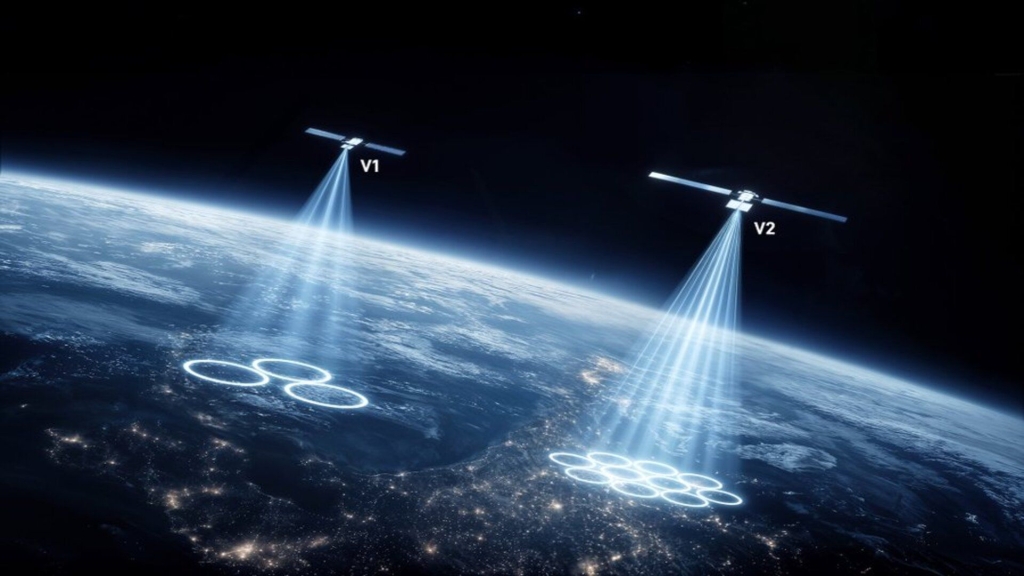
Starlink V2 Satellites Set to Revolutionize Mobile Connectivity with 5G Speeds from Space
The future of mobile connectivity is about to get a major upgrade as Starlink unveils its next-generation V2 satellites, promising to deliver 5G speeds from space with a staggering 100x increase in data density compared to the current V1 generation. This groundbreaking development could redefine how we think about mobile networks, offering seamless coverage across both terrestrial and satellite systems.
A Game-Changer for Mobile Networks
For years, satellite connectivity has been synonymous with limited data usage and basic text messaging, falling short of the high-performance standards set by terrestrial mobile networks. However, Starlink’s V2 satellites aim to bridge this gap, delivering speeds that rival 5G networks while providing global coverage. The company’s ambitious plan includes launching up to 15,000 V2 satellites, a massive expansion that could transform the way we stay connected, especially in remote or underserved areas.
Compatibility with Existing Smartphones
One of the most exciting aspects of Starlink’s V2 upgrade is its compatibility with hundreds of existing LTE phones. This means that ordinary smartphones will be able to connect directly to the satellite network without requiring any additional hardware or specialized equipment. Imagine being able to make calls, send texts, and stream content from virtually anywhere on Earth—whether you’re in the middle of the ocean, deep in the wilderness, or in a rural community with limited cellular coverage.
Deployment and Performance Expectations
SpaceX has already begun deploying V2 Mini satellites as a transitional step toward the full V2 network. These smaller satellites will help bridge the gap until the larger constellation is fully operational. Early testing of the enhanced service is expected to begin around early 2027, with peak speeds of up to 150 Mbps per user becoming a reality once the network is fully deployed.
The success of this ambitious project hinges on SpaceX’s ability to deploy the larger satellites efficiently. The company is also exploring partnerships with terrestrial operators, such as T-Mobile in the United States, to enable seamless transitions between satellite and ground networks. This means users could enjoy uninterrupted service whether they’re in a city or a remote location.
How It Works
Starlink’s satellite-to-phone service, formerly known as Direct to Cell and now rebranded as Starlink Mobile, operates by allowing compatible phones to connect to satellites in low Earth orbit (LEO). These satellites function like cellular towers in space, enabling phones to maintain connectivity without the need for additional antennas or equipment. The system is designed to work in tandem with existing cellular infrastructure, ensuring a smooth and reliable user experience.
The Road Ahead
While the promise of 5G speeds from space is undeniably exciting, the actual impact of the V2 deployment remains to be seen. The figures presented by Starlink are based on achieving full operational capacity with the larger constellation, which could take several years to realize. However, the potential benefits are enormous, particularly for regions with limited terrestrial coverage.
Starlink’s V2 satellites represent a bold step forward in the evolution of mobile connectivity. By combining the reach of satellite technology with the performance of 5G networks, the company is poised to deliver a service that could rival traditional mobile providers. As the deployment progresses, users around the world will be watching closely to see if Starlink can deliver on its promise of 5G speeds from space.
Tags: Starlink V2, 5G speeds from space, satellite connectivity, mobile networks, SpaceX, global coverage, LTE phones, low Earth orbit, T-Mobile partnership, seamless connectivity, 150 Mbps speeds, Direct to Cell, Starlink Mobile, satellite-to-phone service, remote connectivity, underserved areas, data density, terrestrial networks, satellite technology, mobile innovation.
Viral Phrases: “5G speeds from space,” “100x data density,” “satellite towers in orbit,” “seamless global coverage,” “no extra hardware needed,” “transform your smartphone,” “connectivity without limits,” “the future of mobile networks,” “Starlink’s bold leap,” “bridging the connectivity gap,” “uninterrupted service anywhere,” “revolutionizing satellite tech,” “next-gen mobile experience,” “global reach, local performance,” “the sky’s no longer the limit.”
,

Leave a Reply
Want to join the discussion?Feel free to contribute!