
Starlink’s next-gen satellite network could provide 150 Mbps speeds by end of next year
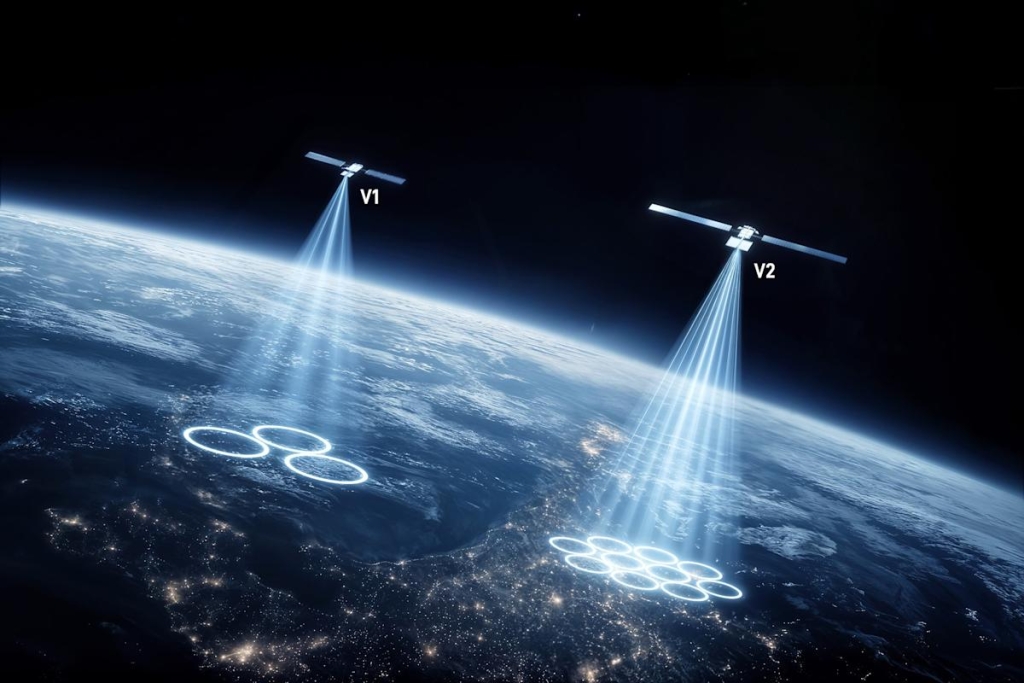
Starlink’s Next-Gen Satellites Aim to Match 5G Speeds and Revolutionize Global Connectivity
Starlink, Elon Musk’s satellite internet venture, is preparing to launch its second-generation satellites, known as V2, which promise to deliver broadband-level speeds that could rival traditional terrestrial networks. This ambitious upgrade was unveiled during a keynote presentation at Mobile World Congress (MWC), where Starlink executives outlined their vision for the future of satellite internet connectivity.
Michael Nicolls, SpaceX’s Senior Vice President of Starlink Engineering, emphasized the company’s goal to provide a seamless, terrestrial-like experience for mobile users connected to the satellite system. “In the right conditions, it should look and feel like you’re connected to a high-performing 5G terrestrial network,” Nicolls stated during the MWC keynote. This bold claim suggests that Starlink is not just aiming to provide basic internet access but rather a premium, high-speed experience that could transform how we think about satellite connectivity.
The V2 satellite constellation is expected to offer download speeds of up to 150 Mbps under ideal conditions, putting it on par with many broadband connections available today. This significant leap in performance is attributed to the satellites’ ability to offer 100 times the data density of their predecessors. Such an increase in data density translates to faster streaming, smoother browsing, and more reliable voice calls for users across the globe.
One of the most intriguing aspects of the V2 constellation is its improved coverage in Earth’s polar regions. These areas have traditionally been challenging for satellite networks to serve effectively, often resulting in unreliable or non-existent connectivity. Starlink’s enhanced polar coverage could be a game-changer for scientific research stations, shipping routes, and even adventure tourism in these remote locations.
The deployment of the V2 satellites is set to begin in mid-2027, with SpaceX planning to launch more than 50 of these advanced satellites on each rocket. The company aims to build out the full constellation within just six months, demonstrating their commitment to rapid expansion and improvement of their network. This aggressive timeline underscores the competitive nature of the satellite internet market and Starlink’s determination to maintain its lead in the industry.
In addition to the technical advancements, Starlink has also announced a significant partnership with Deutsche Telekom, one of Europe’s leading telecommunications companies. This collaboration will see Starlink’s constellation used to address internet coverage gaps across Europe, with the service expected to launch in 2028. This partnership represents a major step towards integrating satellite internet with traditional terrestrial networks, potentially creating a more robust and comprehensive global connectivity solution.
The implications of this next-generation satellite technology are far-reaching. For rural and remote areas that have long struggled with poor internet connectivity, Starlink’s V2 satellites could finally provide access to high-speed internet comparable to what’s available in urban centers. This could have profound effects on education, healthcare, and economic opportunities in these underserved regions.
Moreover, the improved reliability and speed of Starlink’s service could make it an attractive option for businesses and individuals in areas with inconsistent terrestrial internet coverage. Emergency services, for instance, could benefit from a more reliable backup communication system, while remote workers could enjoy a more stable connection regardless of their location.
The environmental impact of such a large satellite constellation is a concern that Starlink will need to address. As the number of satellites in orbit increases, so does the risk of space debris and potential interference with astronomical observations. The company will need to demonstrate its commitment to responsible space practices as it expands its network.
As we look towards the future of global connectivity, Starlink’s V2 satellites represent a significant step forward. By promising speeds and reliability that rival terrestrial networks, they have the potential to reshape our understanding of what’s possible with satellite internet. Whether it’s providing high-speed access to remote communities, ensuring reliable communication in disaster-prone areas, or simply offering an alternative to traditional internet service providers, Starlink’s next-generation technology could be the key to a more connected world.
However, challenges remain. The company will need to navigate regulatory hurdles, address concerns about space debris, and prove that its technology can deliver on its ambitious promises. As the launch date for these next-gen satellites approaches, all eyes will be on Starlink to see if they can truly deliver a “terrestrial-like” experience via satellite.
In conclusion, Starlink’s V2 satellites represent not just an upgrade to their existing service, but a potential revolution in global connectivity. As we move towards an increasingly digital future, the ability to provide reliable, high-speed internet access anywhere on Earth could be a game-changer for billions of people worldwide. Only time will tell if Starlink can deliver on its bold vision, but one thing is certain: the landscape of global internet connectivity is set to change dramatically in the coming years.
Tags: Starlink, V2 satellites, 5G speeds, satellite internet, Mobile World Congress, SpaceX, global connectivity, Deutsche Telekom, broadband, polar coverage, space technology
Viral Phrases:
- “Terrestrial-like connectivity via satellite”
- “100 times the data density”
- “150 Mbps download speeds from space”
- “Revolutionizing polar internet coverage”
- “Satellite internet that feels like 5G”
- “The future of global connectivity is in orbit”
- “Starlink’s bold vision for a connected world”
- “Bridging the digital divide from space”
- “The end of internet dead zones?”
- “Satellite internet gets a major upgrade”
,


Leave a Reply
Want to join the discussion?Feel free to contribute!