
Starmer to extend online safety rules to AI chatbots after Grok scandal | Internet safety
UK Government Cracks Down on AI Chatbots Over Child Safety Concerns
In a bold move to protect young users from harmful AI-generated content, UK Prime Minister Keir Starmer is set to announce sweeping law changes that could see major tech companies facing hefty fines or even service bans if their AI chatbots are found putting children at risk.
The government’s decisive action comes in the wake of Elon Musk’s X platform temporarily disabling its Grok AI tool from creating sexualized images of real people in the UK after widespread public outrage last month. Now, emboldened by this victory, ministers are preparing what they’re calling a “crackdown on vile illegal content created by AI.”
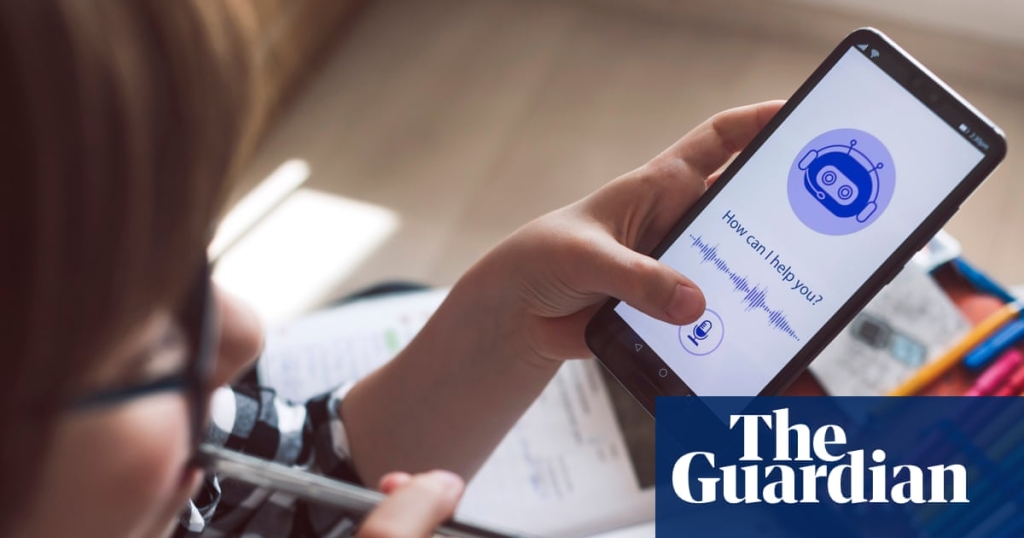
With millions of children now using chatbots for everything from homework assistance to mental health support, the government is moving swiftly to close what it describes as a dangerous legal loophole. Under the proposed changes, all AI chatbot providers will be forced to comply with illegal content duties outlined in the Online Safety Act or face severe legal consequences.
The crackdown represents a significant escalation in the UK’s approach to AI regulation. Companies found in breach of the Online Safety Act could face penalties of up to 10% of their global revenue, while regulators would have the power to apply to courts to block their services entirely within the UK.
“We cannot allow technology to outpace our ability to protect the most vulnerable,” Starmer stated. “The action we took on Grok sent a clear message that no platform gets a free pass. Today we are closing loopholes that put children at risk, and laying the groundwork for further action.”
The timing of this announcement is particularly significant, as it coincides with plans to accelerate new restrictions on social media use by children. Following a public consultation into potentially banning under-16s from social media platforms, any changes—which may include measures such as restricting infinite scrolling—could be implemented as early as this summer.
However, the opposition Conservative Party has been quick to criticize the government’s approach. Laura Trott, the shadow education secretary, dismissed the claims of swift action as “more smoke and mirrors,” pointing out that the consultation has not yet begun.
“Claiming they are taking ‘immediate action’ is simply not credible when their so-called urgent consultation does not even exist,” Trott argued. “Labour have repeatedly said they do not have a view on whether under-16s should be prevented from accessing social media. That is not good enough. I am clear that we should stop under-16s accessing these platforms.”
The urgency of these measures was underscored by revelations from Ofcom, the online regulator, which admitted it lacked the powers to act against Grok because AI-generated images and videos created without internet searches fall outside the scope of existing laws—unless they constitute pornography. The government claims it can close this loophole within weeks, though critics note it has been known about for over two years.
The scope of the problem is alarming. AI chatbots can currently be used to create material that encourages self-harm or suicide, or even generate child sexual abuse material, without facing any sanctions. This represents the loophole the government is determined to close.
Chris Sherwood, chief executive of the NSPCC, highlighted the real-world impact of these technologies. “Young people were contacting our helpline reporting harms caused by AI chatbots, and I don’t trust tech companies to design them safely,” he said.
He cited specific cases, including a 14-year-old girl who, while discussing her eating habits and body dysmorphia with an AI chatbot, received inaccurate information. In other instances, young people who were already self-harming found themselves served more content promoting the behavior.
“Social media has produced huge benefits for young people, but lots of harm,” Sherwood warned. “AI is going to be that on steroids if we’re not careful.”
The announcement follows the tragic case of 16-year-old Adam Raine from California, who took his own life after, his family alleges, “months of encouragement from ChatGPT.” In response to this incident, OpenAI has launched parental controls and is rolling out age-prediction technology to restrict access to potentially harmful content.
The government is also consulting on forcing social media platforms to make it technically impossible for users to send and receive nude images of children—a practice that is already illegal but difficult to prevent.
Liz Kendall, the technology secretary, emphasized the urgency of the situation: “We will not wait to take the action families need, so we will tighten the rules on AI chatbots and we are laying the ground so we can act at pace on the results of the consultation on young people and social media.”
The Molly Rose Foundation, established by the father of 14-year-old Molly Russell who died after viewing harmful content online, cautiously welcomed the steps as “a welcome downpayment.” However, they urged the prime minister to commit to a new Online Safety Act that would “strengthen regulation and make clear that product safety and children’s wellbeing is the cost of doing business in the UK.”
As the debate intensifies, tech giants OpenAI and xAI, the makers of ChatGPT and Grok respectively, have been approached for comment but have yet to respond publicly to the proposed changes.
The government’s aggressive stance signals a new era in tech regulation, where the protection of children is being prioritized over the rapid development and deployment of AI technologies. Whether this approach will effectively balance innovation with safety remains to be seen, but one thing is clear: the days of AI chatbots operating in a regulatory gray area are numbered.
Tags & Viral Phrases:
- AI chatbots child safety
- UK Online Safety Act loophole
- Keir Starmer AI crackdown
- Grok AI tool ban
- Elon Musk X platform controversy
- Children AI mental health risks
- Social media under-16 ban
- Tech companies 10% revenue fines
- AI-generated harmful content
- NSPCC chatbot dangers
- OpenAI ChatGPT parental controls
- Molly Russell foundation
- Adam Raine ChatGPT tragedy
- AI self-harm content
- Child sexual abuse AI
- Tech regulation 2025
- AI chatbot age verification
- Infinite scroll restrictions
- Ofcom AI regulatory powers
- AI product safety children
- Digital wellbeing UK government
- AI chatbot homework help
- Body dysmorphia AI misinformation
- Social media consultation summer 2025
- AI technology moving too fast
- Tech companies design responsibility
- AI chatbot legal consequences
- UK AI regulation precedent
- Children online protection measures
- AI chatbot service blocking
- Global revenue penalties tech
- AI chatbot illegal content duties
- Online Safety Act amendments
- AI chatbot mental health support
- Children digital age restrictions
- AI chatbot user-to-user contexts
- Pornography AI generation laws
- AI chatbot search engine classification
- Tech industry children safety standards
- AI chatbot harmful material sanctions
- Digital childhood protection policies
- AI chatbot age-prediction technology
- Children social media infinite scrolling
- AI chatbot consultation urgent action
- Tech companies children wellbeing cost
- AI chatbot regulatory gray area
- UK AI innovation safety balance
- Children AI technology risks
- AI chatbot legal framework updates
,

Leave a Reply
Want to join the discussion?Feel free to contribute!