
Steam Machine Verified Details Are Out (And You Should Be Worried)
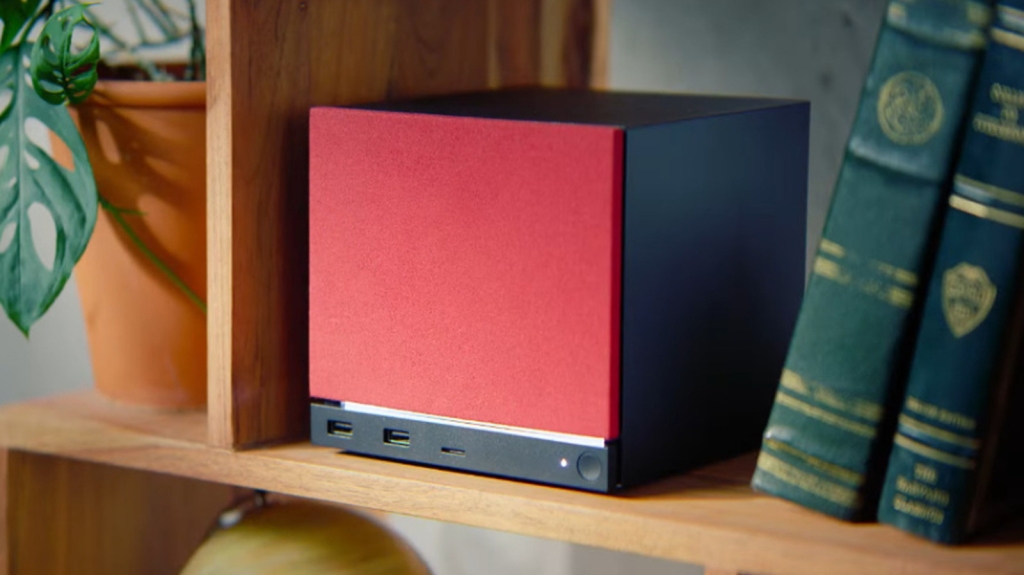
Steam Machine’s “Verified” Program Raises Alarms: 1080p at 30 FPS Falls Short of 4K Promises
The gaming world is buzzing with mixed reactions following Valve’s recent Steam Hardware Talk at GDC 2026, where crucial details about the upcoming Steam Machine were finally revealed. While anticipation has been building for this potential game-changer in living room gaming, what we’ve learned about the Steam Machine Verified program is raising serious red flags among enthusiasts and casual gamers alike.
The Verification Standard That’s Causing an Uproar
During the presentation, Valve unveiled their Steam Machine Verified program—a certification system designed to help consumers understand which games will run optimally on the new hardware. Modeled after the successful Steam Deck Verified initiative, this program aims to provide clarity about game compatibility and performance.
However, the performance thresholds set for verification have sent shockwaves through the gaming community. To earn the coveted “Steam Machine Verified” badge, games need only achieve a minimum of 1080p resolution at 30 frames per second. For a device that Valve has been marketing as a powerhouse capable of delivering 4K gaming at 60 FPS on its official Steam store page, this revelation feels like a significant bait-and-switch.
The disconnect between marketing promises and verification standards is particularly troubling. Gamers have come to trust the “verified” label as a guarantee of quality and performance. When they see that stamp of approval, they expect the game to run smoothly at the device’s full potential—not at resolutions and framerates that were considered baseline over a decade ago.
The Psychological Impact on Consumer Trust
This discrepancy creates a dangerous gap between expectation and reality. Imagine purchasing a high-end sports car only to discover it’s been certified to run optimally at half its advertised top speed. That’s essentially what Valve is asking Steam Machine owners to accept. The “verified” tag, once a symbol of quality assurance, now risks becoming a warning sign that a game might not deliver the experience users are paying for.
Industry analysts suggest this could severely damage consumer confidence. “When players see ‘verified,’ they’re making a purchasing decision based on that information,” explains one gaming industry consultant. “If the reality doesn’t match the expectation, you’re looking at a wave of disappointed customers and potential returns.”
The Silver Lining: Steam Deck Compatibility
Not all news from the Steam Hardware Talk was negative. One genuinely positive revelation is that all games verified for Steam Deck will automatically receive Steam Machine verification. This means that early adopters jumping on the Steam Machine bandwagon from day one will have access to a substantial library of games that are guaranteed to run at stable performance levels immediately.
For the millions of Steam Deck users considering an upgrade, this backward compatibility represents significant value. The transition from handheld to living room gaming becomes seamless, with a curated selection of proven titles ready to deliver consistent performance.
The Price Problem: Luxury Gaming at a Premium
The Steam Machine’s challenges extend beyond performance concerns. A price leak from January sparked intense speculation that the device could cost close to or even exceed $1,000—a staggering figure for a gaming console in an era where competitors like the PlayStation 5 and Xbox Series X retail for $499.
Valve has remained characteristically tight-lipped about official pricing, but the January leak combined with a February blog post announcing a launch delay has created an atmosphere of uncertainty. This opacity, coming on the heels of disappointing verification news, paints a picture of a product struggling with its identity and market positioning.
Performance Claims vs. Reality
The Steam Hardware Talk did confirm one crucial technical detail: the Steam Machine boasts performance capabilities approximately six times greater than the Steam Deck. This substantial power increase means that games deemed merely “Deck Playable” due to legibility or resolution limitations will automatically qualify as “Machine Verified.”
For Steam Deck veterans, this translates to a noticeably superior gaming experience. The enhanced processing power should handle more demanding titles with greater ease, potentially justifying the premium price tag for those upgrading from the handheld device.
The Target Audience Dilemma
Valve seems to be targeting two distinct market segments with the Steam Machine, and this dual approach may be contributing to the device’s identity crisis. On one hand, they’re appealing to Steam Deck users looking for a living room gaming solution—a plug-and-play experience that eliminates the complexity of traditional PC gaming.
On the other hand, they’re positioning the Steam Machine as a premium 4K gaming device, which inherently invites comparisons to high-end gaming PCs and established console competitors. The problem is that the verification standards suggest it might not deliver on those premium promises.
The Convenience Factor
Despite the controversies, the Steam Machine’s plug-and-play nature remains one of its strongest selling points. For gamers intimidated by the modular complexity of building or maintaining a gaming PC, the Steam Machine offers an attractive alternative. It promises the flexibility and game library of PC gaming without the technical headaches.
This convenience factor shouldn’t be underestimated. Many consumers are willing to pay a premium for simplicity and reliability. The question is whether that premium should approach four figures when the performance guarantees seem so modest.
The Broader Implications for Gaming Hardware
The Steam Machine’s struggles reflect a larger challenge facing the gaming industry: balancing marketing promises with technical realities. As games become increasingly demanding and display technology advances rapidly, hardware manufacturers face pressure to deliver ever-more impressive specifications.
Valve’s approach with the Steam Machine Verified program suggests they may be hedging their bets, preparing for a reality where not every game can achieve 4K/60fps on their hardware. This conservative stance could be seen as either responsible planning or a failure to meet advertised capabilities.
What This Means for Day One Buyers
For consumers considering purchasing a Steam Machine at launch, the current information landscape presents a difficult decision. The device offers undeniable benefits: significant performance improvements over the Steam Deck, a vast library of immediately playable verified games, and the simplicity of a console experience with PC gaming’s flexibility.
However, these advantages must be weighed against the high potential price point and the concerning verification standards. Day one buyers should prepare for the possibility that many games will perform below their expectations, even with the “verified” label.
The Path Forward
Valve’s next moves will be critical in determining the Steam Machine’s success or failure. They could address concerns by:
- Raising verification standards to better align with marketing promises
- Providing clearer communication about expected performance for different game categories
- Offering more transparent pricing information
- Implementing a tiered verification system that distinguishes between different performance levels
Without these adjustments, the Steam Machine risks becoming a cautionary tale about the dangers of overpromising and underdelivering in the highly competitive gaming hardware market.
The coming months will reveal whether Valve can course-correct and deliver a product that satisfies both its existing Steam Deck user base and new customers seeking a premium gaming experience. For now, the Steam Machine stands at a crossroads, with its success or failure potentially reshaping how we think about living room PC gaming.
Tags: Steam Machine, Valve, GDC 2026, Steam Deck, 4K gaming, 60 FPS, 1080p, gaming hardware, PC gaming, living room gaming, game verification, Steam Verified, gaming performance, console gaming, gaming industry, hardware news, viral gaming news, tech controversy, gaming disappointment, premium gaming
Viral Sentences:
“The Steam Machine’s ‘verified’ games might struggle to hit 1080p at 30 FPS—that’s not what you signed up for!”
“Valve’s new gaming machine promises 4K/60fps but only requires 1080p/30fps for verification—something’s not adding up!”
“Is the $1000+ Steam Machine actually just a glorified Steam Deck? The numbers suggest it might be!”
“Gamers are furious: Steam Machine verification standards reveal the hardware might not deliver on its biggest promises!”
“The Steam Machine could be the most disappointing gaming launch of 2026—and we’re just finding out why!”
“Valve’s keeping secrets about Steam Machine pricing while confirmation of weak verification standards has everyone worried!”
“Steam Deck users get a free upgrade path, but new buyers might be getting a raw deal with the Steam Machine!”
“The gaming industry is watching closely—will Steam Machine become the next big thing or a massive flop?”
“1080p at 30 FPS in 2026? That’s not next-gen, that’s last decade’s baseline!”
“Valve’s Steam Machine verification program might be the biggest gaming industry controversy since the Ouya!”
,

Leave a Reply
Want to join the discussion?Feel free to contribute!