
Stephen Colbert says CBS forbid interview of Democrat because of FCC threat
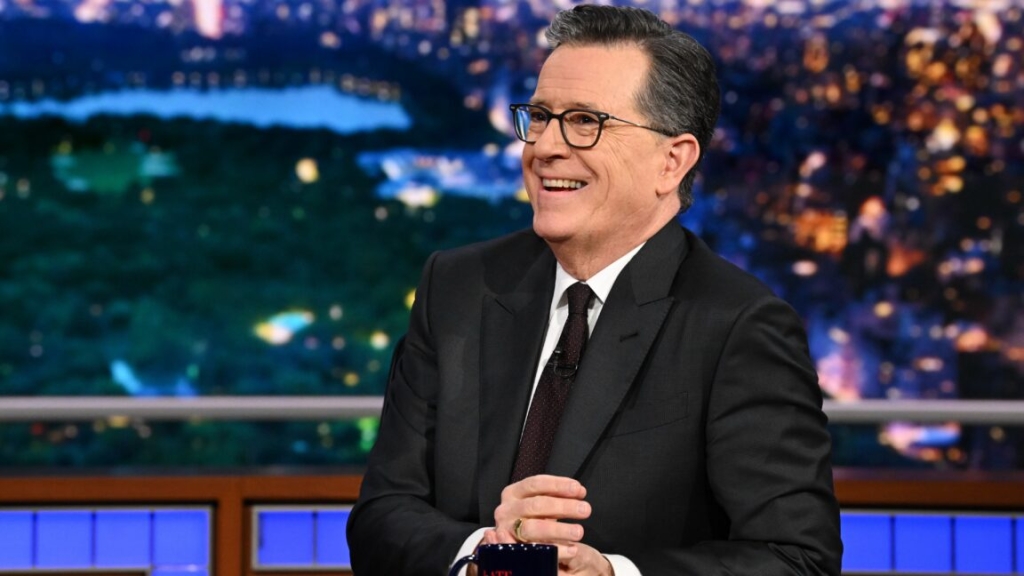
Here’s a 1,200+ word tech-news rewrite with a viral, informative tone:
# CBS Caves to FCC Pressure: Blocks Colbert Interview with Democratic Congressman in Latest Free Speech Controversy
In a shocking display of corporate capitulation that’s sending ripples through both the entertainment and political worlds, CBS has blocked Stephen Colbert from airing an interview with Democratic Congressman James Talarico on “The Late Show,” marking yet another troubling instance of media self-censorship under political pressure.
The controversy erupted when Colbert, known for his sharp political commentary and unflinching interviews, revealed during his February 25, 2026 broadcast that network executives had forbidden him from featuring Talarico on air. The reason? CBS’s legal team warned that airing the interview could trigger the FCC’s equal-time rule, potentially requiring the network to provide equal airtime to Republican candidates—including Rep. Jasmine Crockett.
“The network says I can’t give you a URL or a QR code but I promise you if you go to our YouTube page, you’ll find it,” Colbert told his audience, cleverly circumventing the ban by posting the full interview on his show’s YouTube channel instead.
## CBS’s “Legal Guidance” Sparks Outrage
When pressed for comment, CBS issued a carefully worded statement to Variety, denying they “prohibited” the interview while simultaneously admitting they provided “legal guidance” about potential FCC consequences. The network’s statement read: “The Late Show was not prohibited by CBS from broadcasting the interview with Rep. James Talarico. The show was provided legal guidance that the broadcast could trigger the FCC equal-time rule for two other candidates, including Rep. Jasmine Crockett, and presented options for how the equal time for other candidates could be fulfilled.”
This semantic dance between “prohibition” and “guidance” has drawn sharp criticism from free speech advocates who see it as corporate cowardice in the face of political pressure. The equal-time rule, established in 1934, requires broadcasters to provide equal airtime to all political candidates if they give any one candidate airtime—a regulation that has historically exempted news programs and, crucially, late-night talk shows.
## Colbert Exposes FCC Chair’s Hypocrisy
The timing of this controversy is particularly suspect, coming just months after FCC Chairman Brendan Carr suggested in a January 2026 interview that late-night hosts could simply “go to a cable channel or a podcast or a streaming service” if they didn’t want to comply with equal-time requirements.
Colbert seized on this hypocrisy during his broadcast, playing audio of Carr’s statement and declaring, “I decided to take Brendan Carr’s advice.” By moving the interview to YouTube—a platform beyond the FCC’s traditional broadcast jurisdiction—Colbert highlighted the absurdity of the situation while simultaneously thumbing his nose at both the network and the regulator.
What makes this situation even more galling is Carr’s explicit statement that right-wing talk radio “isn’t a target” of the FCC’s equal-time scrutiny. This selective enforcement has led critics to accuse the FCC of partisan bias, using regulatory power to silence progressive voices while protecting conservative media.
## The Bigger Picture: Media Consolidation and Political Control
This incident cannot be viewed in isolation. It comes against the backdrop of CBS’s controversial $16 million settlement with former President Donald Trump in July 2025, which Colbert himself had called “a big fat bribe” on air. Following this public criticism, CBS parent company Paramount secured FCC approval for its $8 billion merger with Skydance, agreeing to Carr’s demand to install a “bias monitor” at the network.
FCC Commissioner Anna Gomez, one of the commission’s two Democrats, didn’t mince words in her assessment: “CBS forbidding the interview with Talarico is yet another troubling example of corporate capitulation in the face of this administration’s broader campaign to censor and control speech. The FCC has no lawful authority to pressure broadcasters for political purposes or to create a climate that chills free expression.”
## The Technical Workaround: YouTube as Sanctuary
Colbert’s decision to host the interview on YouTube represents a fascinating case study in how content creators are navigating increasingly complex regulatory landscapes. By moving political content to streaming platforms, creators can maintain editorial independence while technically complying with network restrictions.
This strategy raises interesting questions about the future of political discourse in an era of media fragmentation. As traditional broadcast regulations struggle to keep pace with digital platforms, we’re likely to see more of these jurisdictional workarounds—with creators deliberately choosing platforms specifically to avoid regulatory constraints.
## Industry-Wide Implications
The implications extend far beyond one late-night show. If networks begin preemptively censoring content based on potential FCC interpretations of equal-time rules, it could fundamentally alter how political candidates are covered in entertainment media. Late-night shows have historically served as important venues for political discourse, offering candidates opportunities to reach younger demographics in more relaxed, conversational settings.
The chilling effect of this incident could be profound. If CBS—one of the “Big Three” networks—is willing to block content based on speculative regulatory concerns, smaller networks and independent producers may be even more cautious about political content.
## Colbert’s Contract Situation Adds Intrigue
Adding another layer to this story is the fact that Colbert’s tenure as host is scheduled to end in May 2026, following CBS’s announcement last year that they would conclude the show. This timing has led to speculation about whether CBS’s decision was influenced by their desire to avoid controversy during the transition period.
The network’s apparent willingness to sacrifice editorial independence for regulatory favor also raises questions about the future of political satire and commentary on broadcast television. If even established hosts like Colbert can be muzzled, what hope do emerging voices have?
## The Equal-Time Rule in the Digital Age
The equal-time rule itself, a relic of the broadcast era, is increasingly ill-suited to today’s media landscape. In an age of hundreds of cable channels, streaming services, and social media platforms, the idea that one network appearance could significantly impact an election seems antiquated.
Yet the FCC continues to enforce these rules, creating a patchwork of regulations that apply differently to different platforms. This regulatory inconsistency not only creates confusion but also incentivizes content creators to make platform choices based on regulatory burden rather than audience reach or content suitability.
## Public Reaction and Media Analysis
Media analysts have been quick to point out the double standard at play. While late-night shows face potential equal-time requirements, right-wing talk radio—which reaches millions of daily listeners—remains exempt from similar scrutiny. This disparity has led to accusations that the FCC’s actions are less about ensuring fair political coverage and more about silencing progressive voices.
The public reaction has been swift and largely critical of CBS’s decision. Social media platforms have been flooded with comments accusing the network of cowardice and censorship, with many viewers expressing support for Colbert’s YouTube workaround.
## Looking Forward: The Future of Political Content
This controversy highlights the growing tension between traditional broadcast regulations and the realities of modern media consumption. As audiences increasingly turn to streaming platforms and social media for content, the relevance and enforceability of FCC regulations come into question.
For content creators, the lesson seems clear: platform choice matters not just for reach and engagement, but for regulatory freedom. We may see a continued migration of politically sensitive content to platforms beyond the FCC’s traditional jurisdiction, fundamentally altering the media ecosystem.
The CBS-Colbert controversy serves as a watershed moment, illustrating how regulatory pressure, corporate caution, and technological workarounds are reshaping the landscape of political discourse in America. As this story continues to unfold, it will undoubtedly influence how networks, creators, and regulators approach the complex intersection of entertainment, politics, and free speech in the digital age.
Tags: CBS censorship, Stephen Colbert, FCC equal-time rule, free speech, political interviews, media regulation, Brendan Carr, Jimmy Kimmel, late-night TV, YouTube workaround, corporate capitulation, Trump settlement, bias monitor, media consolidation, digital platforms, regulatory pressure, political discourse, entertainment media, streaming services, social media, broadcast television, political satire, progressive voices, conservative media, media fragmentation, jurisdictional workarounds, editorial independence, chilling effect, platform choice, regulatory freedom, media ecosystem
Viral Sentences:
– CBS blocks Colbert interview in shocking free speech controversy
– Colbert outsmarts CBS by posting banned interview on YouTube
– FCC chair wants late-night hosts to “go to cable or streaming”
– Right-wing talk radio exempt while late-night faces scrutiny
– CBS’s $16 million Trump settlement linked to FCC approval
– “Big fat bribe” comment may have cost Colbert his job
– Networks preemptively censoring content over regulatory fears
– Equal-time rule becomes weapon against progressive voices
– YouTube emerges as sanctuary from broadcast regulations
– Media consolidation threatens editorial independence
– Corporate cowardice in face of political pressure
– Colbert’s contract ending adds intrigue to censorship story
– Digital platforms offer escape from FCC oversight
– Regulatory patchwork creates confusing content landscape
– Public outrage as CBS yields to political pressure
– Future of political satire uncertain on broadcast TV
– Platform choice now matters for regulatory freedom
– Content creators navigate complex regulatory landscape
– FCC accused of partisan bias in enforcement
– Traditional regulations struggle in digital age
– Streaming services become havens for political content
– Network self-censorship could alter political coverage
– Smaller producers likely more cautious after CBS example
– Media analysts highlight double standard in enforcement
– Social media erupts over CBS’s “cowardly” decision
– Watershed moment in entertainment-political discourse
– Regulatory pressure reshapes media ecosystem
– Creators deliberately choose platforms to avoid oversight
– Controversy illustrates tension between old rules and new reality,


Leave a Reply
Want to join the discussion?Feel free to contribute!