
Stop Pests Naturally: 7 Houseplants That Really Work
Kitchen Pest Control 2026: 7 Powerful Plants That Repel Bugs Naturally
Pests are an unavoidable part of life, and your kitchen is their favorite destination. With its constant supply of food and warmth, it’s a beacon for everything from ants to flies. But before you reach for a can of harsh chemical spray, there’s a much cleaner way to defend your space. In 2026, more people are turning to functional greenery to do the dirty work of pest control. And that’s a great way to cut down your use of potentially harmful chemicals in your home.
Certain houseplants act as living shields, using their natural scents to deter unwanted visitors. Even better, many of these botanical bouncers pull double duty as fresh ingredients for your cooking. By strategically placing these seven specific plants around your counters and windowsills, you can reclaim your kitchen without a single toxic cloud.
7 Best Plants to Repel Bugs
1. Herbs
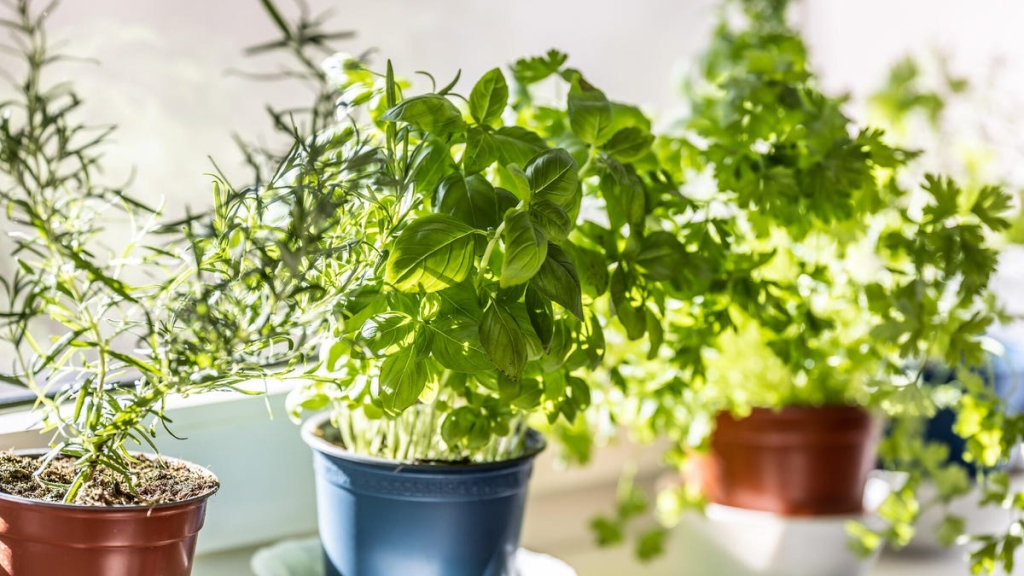
Potent herbs like basil, mint, sage, and rosemary are great for topping spaghetti or making mojitos, but their scent stops insects like house and fruit flies from coming near.
Consider lining a sunny kitchen window with a few of your favorite food and drink garnishes. Not only will the bugs stay away, but you’ll enjoy the benefits of fresh herbs year-round and without the hefty price tags found in most supermarkets. Growing them is simple using a self-watering smart garden.
Here’s a list of common herbs and the bugs they’re known to repel:
- Basil: flies and mosquitoes
- Mint: ants, flies, mosquitoes, aphids (and mice!)
- Lavender: moths, flies, fleas, mosquitoes
- Rosemary: mosquitoes, flies
- Lemongrass: mosquitoes (contains citronella)
- Chives/Garlic: aphids, Japanese beetles
2. Marigold
The yellow and orange flower is so much more than a pretty accent to an oversized pot or home garden—it’s a gnat- and midge-fighting beast that emits a distinct and powerful odor that sends critters scurrying. Perhaps best of all, marigolds are an easy plant to cultivate within your home as they require little maintenance and grow quickly.
3. Lavender
Lavender boasts calming properties that help us drift to sleep at night, but it has the opposite effect on insects like moths and beetles. Snip a few purple stems and incorporate them into an elegant flower bouquet to ward off any unwelcome visitors.
4. Catnip
Your feline friend may experience an immediate sense of euphoria when exposed to catnip, but roaches and mosquitoes have the opposite reaction. According to scientists, the plant contains an active component that triggers the chemical receptor in insects that causes pain and itchiness. Like humans, when insects feel the slightest bit of discomfort, they tend to retreat and not return to the source of suffering.
5. Chrysanthemum
This popular flower is an insect’s worst enemy. In fact, a chrysanthemum’s hit list is extensive and includes roaches, ants, silverfish, lice, bed bugs, and mites. Keep these away from your pets, though, as they can be toxic when ingested.
6. Citronella Plant
Perhaps you’ve heard of this natural bug repellent. Citronella is widely available in candle form to keep mosquitoes away during the summer months, but the plant form is also effective at deterring bugs. Place a few potted citronellas in the kitchen and plant some outdoors for a bite-free summer.
7. Carnivorous Plants
Lean into the obvious choice and opt for the endlessly entertaining carnivorous plant. Typically, these hungry wonders, such as the Venus flytrap, lure in unsuspecting prey with a scent that mimics the scent of delicious fruits and flowers. Once its hairlike lobes, otherwise known as trichomes, are activated, its leaves snap shut and reopen 10 days after the insect has been completely digested. Of course, you’ll need a whole lot of carnivorous plants to tackle swarms, but they make great additions to target the occasional fly or two.
No matter your preference, these plants, flowers, and herbs make wonderful (and natural!) additions to a kitchen pest management plan. They also happen to be delicious and/or beautiful. If you’re still not convinced, consider other all-natural alternatives like coffee grounds, essential oils, banana peels, white vinegar, and onions. Each has also been proven to stave off an infestation if left out on kitchen counters.
For more, find out which plants are easiest to keep alive and peruse our list of the best places to buy plants online.
Tags:
NaturalPestControl #KitchenGardening #BugRepellentPlants #EcoFriendlyLiving #GreenHome #HerbGardening #BugFreeKitchen #SustainableLiving #PlantPower #NaturalSolutions
Viral Phrases:
- “Say goodbye to bugs with these 7 plants!”
- “Natural pest control that doubles as fresh herbs!”
- “Reclaim your kitchen without toxic chemicals!”
- “Plants that bugs hate but you’ll love!”
- “The secret to a bug-free kitchen in 2026!”
- “Grow your own pest control—no chemicals needed!”
- “Herbs, flowers, and carnivorous plants—oh my!”
- “Stop bugs in their tracks with these green warriors!”
- “The ultimate guide to natural pest control!”
- “Your kitchen will never be the same after this!”
,


Leave a Reply
Want to join the discussion?Feel free to contribute!