
Study Finds Surprising Trend Among Ozempic Users Taking Fewer Doses Than Usual
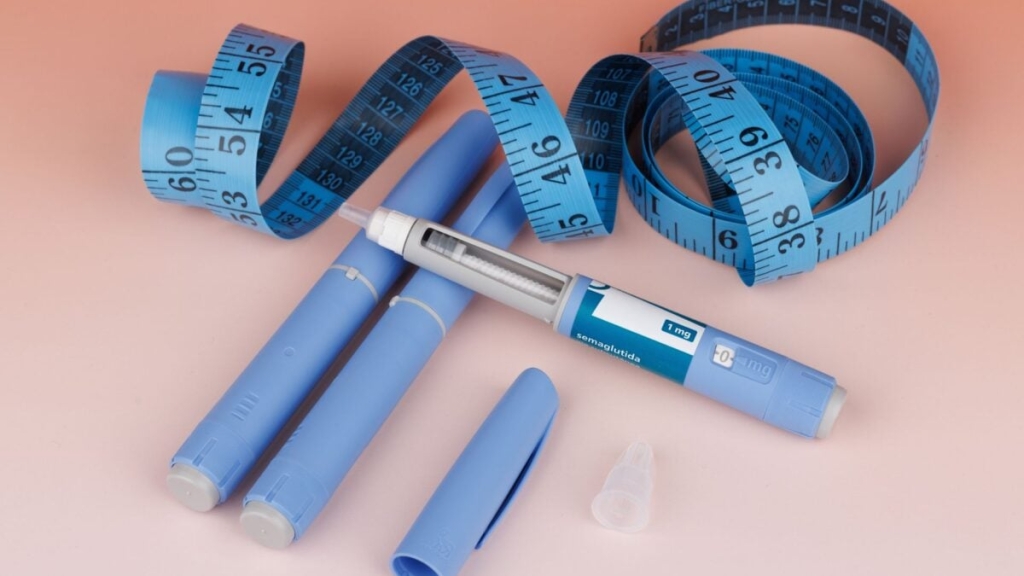
Groundbreaking Study Reveals: Less GLP-1 Medication Might Deliver the Same Weight Loss Results
In a stunning development that could revolutionize the billion-dollar weight loss drug industry, new research suggests that patients might need far less GLP-1 medication than previously thought to maintain their weight loss results.
The study, conducted by researchers at Scripps Health and published in the journal Obesity, examined what happened when patients reduced their dosing frequency of popular medications like Ozempic, Wegovy, and Mounjaro after reaching their weight loss plateau.
The Results That Shocked Researchers
The findings were remarkable: patients who switched to reduced dosing schedules—some as infrequent as once every two months—maintained their weight loss and health improvements. Among the 30 patients studied, only five experienced minor weight regain, with the largest increase being just eight pounds.
Even more surprising, many patients actually continued to lose weight or maintain their lowest BMI while taking significantly less medication. One patient who switched to dosing every six weeks saw continued weight loss throughout the study period.
What This Means for Millions of GLP-1 Users
Currently, millions of Americans pay thousands of dollars annually for these medications, often indefinitely. The prospect of maintaining results with less frequent dosing could dramatically reduce costs and side effects for patients.
“We found that structured de-escalation represents a promising strategy to reduce treatment burden without sacrificing efficacy,” the researchers noted in their paper.
The Science Behind the Discovery
The study tracked 30 patients who had reached a weight loss plateau and were offered the option to taper their medication. Of these, 21 were on tirzepatide (Mounjaro/Zepbound) and nine on semaglutide (Ozempic/Wegovy).
Patients adopted various reduced dosing schedules:
- 23 patients switched to approximately bi-weekly dosing (at least 10 days between doses)
- 7 patients opted for even longer intervals
- One patient successfully maintained results dosing only every five to six weeks
Health Benefits Maintained
Beyond weight maintenance, patients preserved their improvements in:
- Blood pressure levels
- Cholesterol profiles
- Blood sugar control
- Overall metabolic health
The Caveats and Next Steps
While the results are promising, researchers emphasize several important limitations. The study’s small sample size (just 30 patients) and lack of a control group mean larger, randomized controlled trials are needed before doctors can recommend this approach broadly.
Additionally, the tapering strategy didn’t work for everyone. Four patients who attempted to reduce their dosing had to return to their original schedule after experiencing weight regain.
Potential Industry Impact
If larger studies confirm these findings, the implications could be massive for:
- Healthcare costs (potentially billions in savings)
- Drug supply constraints
- Patient quality of life
- Access to treatment for underserved populations
Expert Commentary
“This could be a game-changer,” said Dr. Sarah Chen, an endocrinologist not involved in the study. “If patients can maintain their results with less medication, it addresses two of the biggest barriers to long-term GLP-1 therapy: cost and side effects.”
What Patients Should Know
For now, researchers strongly advise against patients attempting to self-adjust their medication without medical supervision. The study participants were carefully monitored, and individual responses varied significantly.
The Future of Weight Loss Treatment
This research represents a potential paradigm shift in how we approach chronic weight management. Rather than viewing GLP-1 therapy as an all-or-nothing proposition, doctors may soon have evidence-based strategies for optimizing dosing based on individual patient needs and responses.
Tags: #GLP1 #WeightLoss #Ozempic #Wegovy #Mounjaro #Zepbound #ObesityTreatment #MedicalResearch #HealthcareInnovation #Semaglutide #Tirzepatide #ScrippsHealth #ObesityJournal #WeightManagement #PharmaceuticalBreakthrough
Viral Phrases:
- “Less is more” with weight loss drugs
- Game-changing study could cut GLP-1 costs dramatically
- Patients maintain weight loss with 75% less medication
- The end of “forever dosing” for weight loss drugs
- Breakthrough: You might not need daily doses anymore
- Weight loss without the side effects and costs
- Doctors stunned by reduced dosing success
- Could this be the future of obesity treatment?
- One patient maintained results dosing just every 6 weeks
- The $1000 question: Can you take less and get the same results?
- Pharma companies watching closely as study threatens business model
- From daily to monthly: The new GLP-1 protocol
- Patients report “life-changing” reduced side effects
- Insurance companies may soon require reduced dosing trials
- The 30-patient study that could save billions
- Weight loss without the “forever” commitment
- Doctors now questioning standard dosing protocols
- The tapering strategy that’s got everyone talking
- Could your next refill be your last for months?
- Breaking: Less medication, same amazing results
,


Leave a Reply
Want to join the discussion?Feel free to contribute!