
Study Ties 5 Subtypes of Sleep With Distinct Health And Lifestyle Patterns : ScienceAlert
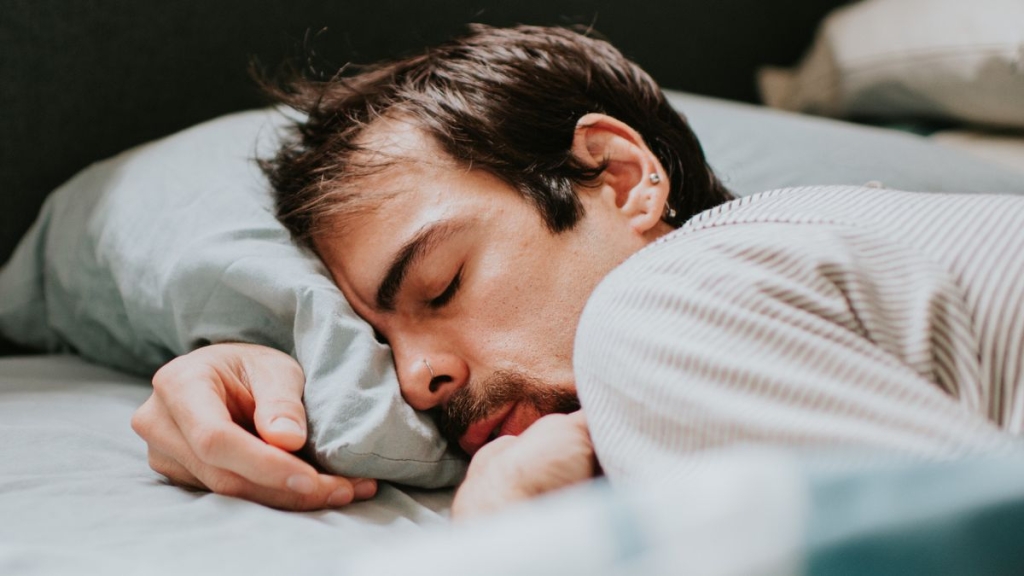
Breaking: Science Reveals 5 Sleep Types—Not Just Night Owls & Early Birds!
For decades, we’ve been told there are only two kinds of sleepers: the chirpy early risers and the groggy night owls. But groundbreaking new research just shattered that myth—and the implications are huge.
A massive study published in Nature Communications by neuroscientists at McGill University has identified five distinct sleep chronotypes hidden within the classic early bird and night owl categories. And here’s the kicker—your sleep type could be silently shaping your mental health, brain function, and even your risk for disease.
“We’re entering an era where sleep patterns are more diverse than ever,” says lead researcher Le Zhou. “Understanding this biological diversity could eventually help inform more personalized approaches to sleep, work schedules, and mental health support.”
The 5 Sleep Types (and What They Mean for YOU)
Type 1: The Night Owl—Fast Brain, Risky Behavior
This group tends to be more alert at night, with faster reaction times and sharper cognitive performance. But there’s a trade-off: higher rates of risky behaviors and emotional regulation challenges.
Type 2: The Troubled Night Owl
This is the sleep pattern you don’t want. Tied to depression, smoking, and cardiovascular risks, this group shows lower physical activity, decreased brain white matter integrity, and higher antidepressant use. Yikes.
Type 3: The “Golden” Early Bird
Fewer health issues, minimal smoking or drinking, and fewer risky behaviors. These early risers have higher anxiety levels but generally better emotional regulation. Think of them as the healthiest of the bunch.
Type 4: The Female-Dominated Early Bird
More common among women, this group is linked to depressive symptoms and higher antidepressant prescriptions. It’s a reminder that even early birds aren’t immune to mental health struggles.
Type 5: The Male-Dominated Night Owl
This group is more common among men and associated with higher alcohol, cigarette, and cannabis use, along with increased cardiovascular and prostate disease risks.
Why This Matters
The study analyzed data from over 37,000 adults (27,030 from the UK Biobank and 10,000+ US teenagers), making it one of the largest sleep chronotype studies ever conducted. The findings suggest that our internal sleep clocks are far more complex than we thought—and they’re tied to a surprising range of health outcomes.
“It may become increasingly evident that our internal sleep phasing system… ties into many more facets of daily life than previously assumed,” the research team concludes.
What’s Next?
This research could pave the way for personalized sleep medicine, tailored work schedules, and targeted mental health interventions. Imagine a world where your sleep type determines your ideal work hours, diet, and even your mental health plan. That future might be closer than we think.
Related: Massive Study Links 6 Sleep Traits to Risk of 172 Diseases
Tags & Viral Phrases:
- Sleep chronotypes
- Night owl vs early bird
- Hidden sleep patterns
- Mental health and sleep
- Personalized sleep medicine
- Brain health and sleep
- Sleep and disease risk
- McGill University sleep study
- UK Biobank sleep research
- Sleep science breakthrough
- 5 types of sleepers
- Your sleep type could predict your health
- The future of sleep medicine
- Sleep and emotional regulation
- Cardiovascular risks and sleep
- Depression and sleep patterns
- White matter integrity and sleep
- Alcohol, cannabis, and sleep
- Prostate disease and sleep
- Work schedules and sleep
- Sleep and cognitive performance
- Reaction times and sleep
- Smoking and sleep
- Antidepressant use and sleep
- Anxiety and sleep
- Risky behaviors and sleep
- Female vs male sleep patterns
- Teen sleep chronotypes
- Sleep diversity
- Internal sleep phasing
- Sleep and lifestyle
- Sleep and mental health support
- Sleep and personalized approaches
,


Leave a Reply
Want to join the discussion?Feel free to contribute!