
Superbugs Have a Hidden Weak Spot and Viruses Just Revealed It
Superbugs’ Hidden Weak Spot Revealed: Viruses Unlock a New Path to Defeat Deadly Bacteria
In a breakthrough that could reshape the future of medicine, scientists have uncovered a previously unknown vulnerability in some of the world’s most dangerous bacteria. Antibiotic resistance is accelerating at an alarming pace, with tens of thousands of lives lost each year in the United States alone to infections that modern drugs can no longer treat. Now, a team of researchers has discovered how nature’s own microscopic predators—viruses that infect bacteria, known as bacteriophages or simply phages—weaponize a specialized tool to cripple bacterial defenses from within.
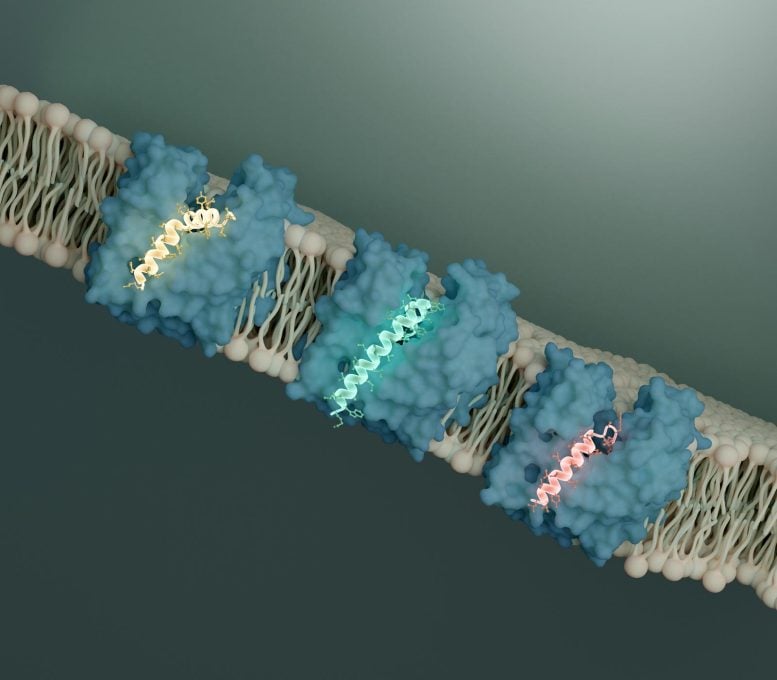
At the heart of this discovery lies a critical bacterial protein called MurJ. This protein is essential for bacteria to build and maintain their protective cell walls—without it, they simply cannot survive. For years, MurJ has been considered an attractive but elusive target for new antibiotics. The challenge? Scientists didn’t fully understand how to disrupt it without harming human cells.
Enter the phages. These viruses have been locked in an evolutionary arms race with bacteria for billions of years, constantly evolving new strategies to overcome bacterial defenses. In a study published recently, researchers revealed that certain phages produce what they call “protein antibiotics”—molecular weapons that specifically target and shut down MurJ. By hijacking this bacterial machinery, the phages effectively disarm their hosts, making them vulnerable to destruction.
The implications are profound. If scientists can replicate or harness these viral tactics, they could develop a new generation of antibiotics that work in ways never before possible. Instead of traditional drugs that attack bacteria broadly—often with harmful side effects—these new approaches could zero in on the exact mechanisms bacteria use to survive, leaving human cells untouched.
This discovery also shines a light on the incredible adaptability of phages. These viruses have already solved problems that have stumped human researchers for decades. By studying their methods, scientists hope to unlock a treasure trove of new strategies to combat antibiotic resistance—a crisis the World Health Organization has called one of the top global health threats.
The research is still in its early stages, but the potential is enormous. If successful, these viral-inspired therapies could help turn the tide against superbugs, offering hope in the face of a growing epidemic. As the race to outsmart deadly bacteria intensifies, it seems that sometimes, the best solutions come from the tiniest allies.
Tags:
superbugs, antibiotic resistance, bacteriophages, phages, MurJ protein, protein antibiotics, bacterial cell wall, viral therapy, infectious disease, medical breakthrough, antibiotic crisis, bacterial infection, World Health Organization, drug resistance, microbiology, evolutionary arms race, targeted antibiotics, emerging pathogens, healthcare innovation
Viral Phrases:
“Nature’s microscopic predators,” “viral-inspired therapies,” “unlock a hidden weakness,” “evolutionary arms race,” “tiny viruses, giant impact,” “the bacteria’s Achilles’ heel,” “a new weapon against superbugs,” “harnessing nature’s own tools,” “turning the tide on antibiotic resistance,” “the future of medicine revealed,” “a breakthrough billions of years in the making,” “targeted attack on deadly bacteria,” “the secret weapon inside viruses,” “a treasure trove of new strategies,” “the race to outsmart deadly bacteria”
,


Leave a Reply
Want to join the discussion?Feel free to contribute!