
Switch 2 Price Hike Could Happen, Nintendo President Warns–But Only If This Occurs
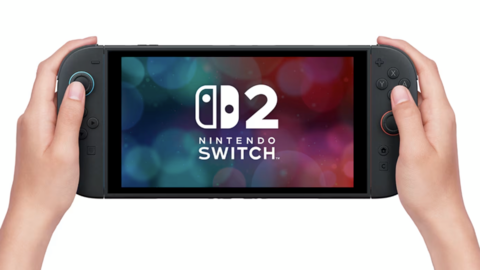
Nintendo Switch 2 Price Hike Looms as Component Costs Surge: What Gamers Need to Know
The gaming world is buzzing with speculation as Nintendo’s president, Shuntaro Furukawa, has dropped a bombshell warning that could reshape the console market landscape. With component costs skyrocketing and no price increase decisions finalized, the future of the Switch 2’s affordability hangs in the balance.
The Memory Price Crisis That Could Change Everything
During Nintendo’s latest earnings briefing, Furukawa delivered a carefully worded but deeply concerning message to investors and gamers alike. While the recent surge in memory prices hasn’t significantly impacted the Switch 2’s profitability for the current quarter, the company is watching the situation with growing unease.
“The recent rise in memory prices did not have much of an impact on the Switch 2’s profitability for the latest quarter,” Furukawa stated, “and it’s not expected to for the current one.” However, the critical caveat follows immediately: “If the costs keep going up, Nintendo might pass that along to consumers in the form of a price hike.”
This admission comes at a particularly volatile time for the technology sector. Global semiconductor shortages, supply chain disruptions, and geopolitical tensions have created a perfect storm of manufacturing challenges. Memory prices, which form a crucial component of gaming console production costs, have experienced unprecedented volatility over the past year.
The PlayStation and Xbox Precedent
Nintendo’s potential price adjustment strategy would mirror moves already made by its primary competitors. Both Sony and Microsoft implemented significant price increases for their PlayStation 5 and Xbox Series X|S consoles in 2023, citing similar cost pressures. The PlayStation 5 saw price hikes ranging from $50 to $100 depending on the region and model, while Xbox Series X experienced comparable adjustments.
Industry analysts are now speculating whether Nintendo’s Switch 2 could follow this established pattern. The timing would be particularly strategic, as the console approaches its second full year in the market, a period when initial manufacturing efficiencies typically begin to plateau.
Nintendo’s Delicate Balancing Act
What makes this situation particularly complex is Nintendo’s historical approach to pricing strategy. Unlike Sony and Microsoft, which have traditionally used consoles as loss leaders to drive software and service revenue, Nintendo has maintained a philosophy of hardware profitability from day one.
“We will carefully assess market trends and respond,” Furukawa emphasized during the briefing. “If the situation deteriorates significantly, we will carefully assess market trends and respond.” This statement reveals the intricate calculus Nintendo must perform, balancing component costs against market demand, competitive positioning, and long-term platform health.
The president’s comments suggest that any potential price adjustment would not be made lightly. Nintendo appears committed to exhausting all other options before passing increased costs to consumers, recognizing that price sensitivity remains a crucial factor in the gaming market.
The Comprehensive Decision Framework
Furukawa outlined a multi-faceted approach to any potential pricing decisions, indicating that Nintendo would consider numerous factors beyond simple profitability calculations. “Any decision to change the price will be determined comprehensively, taking into consideration not only profitability, but also other factors like the platform’s installed base, sales trends, and the market environment.”
This comprehensive framework suggests that Nintendo is thinking several moves ahead. The company must weigh the immediate financial benefits of a price increase against potential long-term consequences, including reduced market penetration, slower software attach rates, and possible damage to brand perception.
The installed base consideration is particularly crucial. Nintendo has historically prioritized growing its user base, understanding that a larger installed base creates a more vibrant ecosystem for third-party developers and increases the value proposition for consumers through a broader game library.
Market Environment and Competitive Dynamics
The current gaming market presents a complex landscape for Nintendo to navigate. While the Switch 2 has enjoyed strong initial sales, it faces increasing competition from cloud gaming services, mobile gaming innovations, and the continued evolution of PC gaming platforms.
A price increase at this juncture could potentially open the door for competitors to gain market share, particularly if they maintain stable pricing while Nintendo adjusts upward. However, if component costs continue their upward trajectory across the industry, competitors may face similar pressures, potentially neutralizing any competitive advantage.
The 2026 Timeline: Speculation and Strategy
The mention of 2026 in various analyst reports has sparked intense speculation about Nintendo’s long-term pricing strategy. This timeline suggests that Nintendo is preparing for a potential multi-year component cost crisis, rather than a short-term market fluctuation.
If component prices do continue rising through 2026, as some industry experts predict, Nintendo would need to make strategic decisions well in advance. A price increase implemented too late could erode profit margins significantly, while an increase implemented too early could damage market momentum.
Consumer Impact and Market Psychology
The psychological impact of a price increase cannot be understated. The gaming community has grown accustomed to certain pricing expectations, and any deviation from these norms can trigger significant consumer backlash. Nintendo must carefully consider how a price increase would be perceived, particularly given the current economic climate and inflationary pressures affecting consumer spending across all sectors.
The Waiting Game Continues
As of now, no definitive decision has been made regarding a Switch 2 price increase. Nintendo continues to monitor component costs, market conditions, and competitive dynamics while maintaining its current pricing structure. The company’s cautious approach suggests that any potential price adjustment would be accompanied by clear communication and strategic justification to maintain consumer trust.
What This Means for Gamers
For current and prospective Switch 2 owners, this situation creates a complex decision-making environment. Those considering purchasing the console may want to monitor component cost trends and Nintendo’s public statements closely. Meanwhile, existing owners should prepare for the possibility that future accessories, games, or subscription services might also see price adjustments if Nintendo’s cost pressures intensify.
The coming months will be critical in determining whether Nintendo’s worst-case scenario materializes or whether the company can weather the component cost storm without passing expenses to consumers. As always in the gaming industry, the only certainty is continued uncertainty, and Nintendo’s next moves will be watched with intense interest by gamers, investors, and industry analysts alike.
Tags & Viral Phrases:
Nintendo Switch 2 price hike warning, component costs surge gaming consoles, Shuntaro Furukawa earnings briefing, memory prices gaming industry, PlayStation 5 price increase 2023, Xbox Series X price adjustment, semiconductor shortage impact gaming, console manufacturing costs 2024, Nintendo profitability strategy, gaming market competition 2026, Switch 2 installed base concerns, cloud gaming vs traditional consoles, Nintendo pricing philosophy, gaming hardware price trends, consumer spending gaming industry, component cost crisis Nintendo, gaming console market analysis, Switch 2 sales trends, Nintendo competitive positioning, gaming industry price sensitivity, semiconductor market volatility, console price increase speculation, Nintendo strategic decision making, gaming ecosystem development, market environment gaming industry, price psychology gaming consumers, Nintendo long-term strategy 2026, gaming hardware affordability crisis, console manufacturing challenges 2024
,

Leave a Reply
Want to join the discussion?Feel free to contribute!