
Switch 2 pricing and next PlayStation release could be impacted by memory shortage
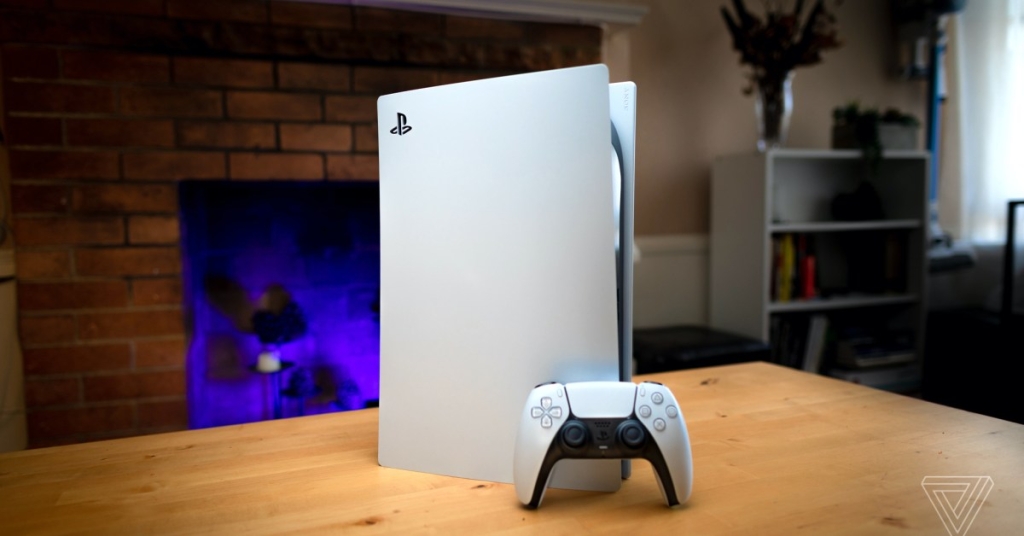
Tech Giants Sony and Nintendo Face Major Setbacks as AI-Driven RAM Shortages Threaten Console Launches and Pricing
In a dramatic twist that could reshape the gaming landscape, Sony and Nintendo are grappling with severe supply chain disruptions caused by a global shortage of RAM (Random Access Memory) chips. The culprit? An insatiable demand from artificial intelligence (AI) data centers that is gobbling up memory chip production at an unprecedented rate. This crisis has forced Sony to consider pushing back the release of its highly anticipated next-generation PlayStation console to as late as 2028 or 2029, while Nintendo is reportedly mulling a price hike for its recently launched Switch 2 console.
The news, first reported by Bloomberg, has sent shockwaves through the gaming industry. For Sony, the potential delay would mark a significant departure from its long-standing tradition of releasing a new console every six to seven years. Since the debut of the original PlayStation in 1994, Sony has maintained a consistent cadence, with the PlayStation 5 (PS5) launching in November 2020. Under normal circumstances, the next console would have been expected to hit shelves before the end of 2027. However, the RAM shortage has thrown a wrench into these plans, leaving fans and industry analysts alike scrambling to reassess their expectations.
The impact on Nintendo is equally concerning. The Japanese gaming giant, known for its innovative hardware and beloved franchises, recently launched the Switch 2 at a price of $450. Despite the challenges posed by former President Trump’s sweeping tariffs, Nintendo had initially resisted increasing the console’s price. However, the RAM shortage has changed the equation, and the company is now considering a price hike to offset rising costs. Bloomberg did not specify the potential increase, but the move could have significant implications for Nintendo’s competitive positioning in the market.
The root of the problem lies in the explosive growth of AI data centers, which require vast amounts of memory to process and store the massive datasets needed for machine learning and other AI applications. As tech giants like Google, Amazon, and Microsoft race to build out their AI capabilities, the demand for RAM has skyrocketed, leaving traditional industries like gaming struggling to secure the chips they need. This shift in demand has created a perfect storm, with memory chip manufacturers prioritizing AI clients over consumer electronics companies.
For Sony, the potential delay of its next console is a bitter pill to swallow. The company has invested heavily in the development of its next-generation hardware, which is rumored to feature cutting-edge graphics, faster load times, and advanced AI-driven gameplay. A delay of several years could give competitors like Microsoft’s Xbox an opportunity to gain ground, while also frustrating loyal PlayStation fans who have been eagerly awaiting the next big leap in gaming technology.
Nintendo, on the other hand, faces a different set of challenges. The Switch 2 was designed to build on the success of its predecessor, the Nintendo Switch, which became one of the best-selling consoles of all time. However, the RAM shortage threatens to undermine the console’s affordability and accessibility, potentially alienating budget-conscious gamers. A price increase could also make the Switch 2 less competitive against other gaming platforms, including cloud gaming services and PC gaming.
The broader implications of the RAM shortage extend beyond Sony and Nintendo. The gaming industry as a whole is feeling the pinch, with other console makers, game developers, and accessory manufacturers all struggling to secure the components they need. This has led to production delays, higher costs, and, in some cases, the cancellation of planned products. The situation is a stark reminder of the fragility of global supply chains and the far-reaching impact of technological advancements like AI.
As the crisis unfolds, both Sony and Nintendo are exploring alternative strategies to mitigate the impact of the RAM shortage. Sony is reportedly in talks with memory chip manufacturers to secure additional supply, while also considering design changes that could reduce the console’s reliance on RAM. Nintendo, meanwhile, is evaluating its pricing strategy and exploring ways to optimize the Switch 2’s hardware to minimize the impact of the shortage.
The RAM shortage is a wake-up call for the gaming industry, highlighting the need for greater resilience and adaptability in the face of rapidly evolving technological landscapes. As AI continues to reshape the world, industries that once seemed insulated from its effects are now finding themselves at the mercy of its demands. For Sony and Nintendo, the challenge will be to navigate this new reality while continuing to deliver the innovative and engaging gaming experiences that their fans have come to expect.
In the coming months, all eyes will be on Sony and Nintendo as they grapple with the fallout from the RAM shortage. Will Sony’s next PlayStation console be delayed, and if so, by how much? Will Nintendo raise the price of the Switch 2, and how will consumers respond? These questions remain unanswered, but one thing is clear: the gaming industry is at a crossroads, and the decisions made by these two giants will have far-reaching consequences for the future of gaming.
Tags and Viral Phrases:
- Sony PlayStation delay
- Nintendo Switch 2 price hike
- RAM shortage crisis
- AI data centers demand
- Console gaming industry disruption
- Memory chip shortage impact
- Sony next-gen console 2028
- Nintendo Switch 2 affordability
- Global supply chain challenges
- Gaming industry resilience
- AI-driven technological shifts
- PlayStation 5 successor delay
- Switch 2 pricing strategy
- Memory chip manufacturers prioritize AI
- Console gaming future uncertainty
- Sony and Nintendo supply chain struggles
- RAM shortage gaming industry
- AI data centers memory demand
- Console pricing and availability crisis
- Next-gen console development challenges
,


Leave a Reply
Want to join the discussion?Feel free to contribute!