
Tech Life – What’s new in health tech?
The Future of Wellness: How Cutting-Edge Health Tech Is Transforming Our Lives
In an era where technology infiltrates every facet of our existence, the realm of health and wellness is undergoing a revolutionary transformation. From wearable devices that monitor our vitals in real-time to AI-powered diagnostics that can predict illnesses before symptoms appear, the convergence of health and technology is not just promising—it’s already here. At the world’s largest consumer electronics trade show, innovators unveiled groundbreaking health tech solutions designed to help us live longer, healthier, and more informed lives. But as we embrace these advancements, a darker side of the digital age looms: cybercriminals are increasingly targeting cryptocurrency holders, turning digital wealth into a high-stakes game of cat and mouse.
The Rise of Health Tech: A New Era of Personalized Wellness
The global health tech industry is booming, with the market expected to reach $660 billion by 2025, according to a report by Deloitte. This surge is driven by a growing demand for personalized healthcare solutions, fueled by advancements in artificial intelligence, machine learning, and the Internet of Things (IoT).
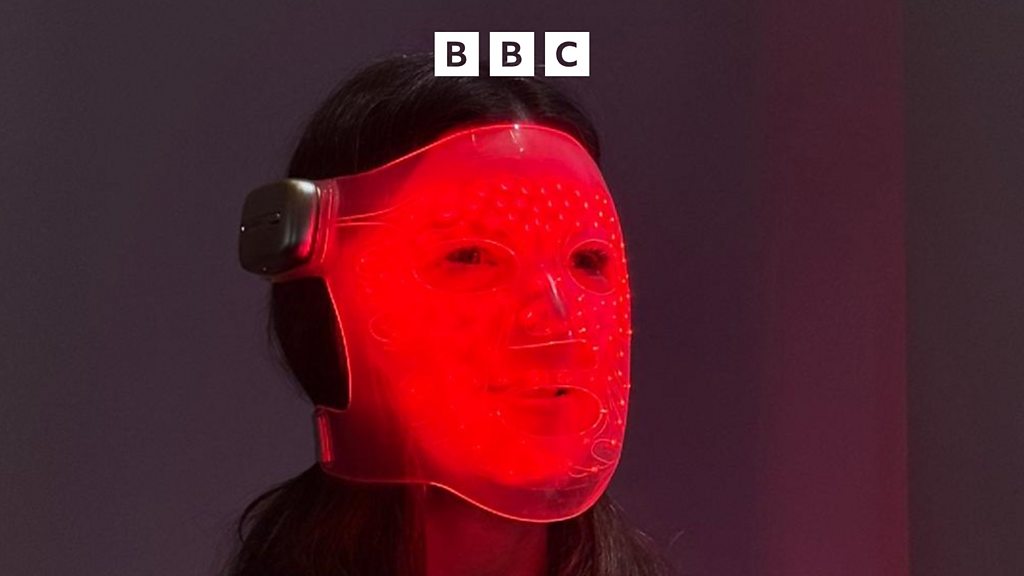
At the recent Consumer Electronics Show (CES), one of the most talked-about innovations was the LED face mask, a device that uses light therapy to improve skin health. Shiona McCallum, a prominent tech journalist and presenter, demonstrated the mask, which emits a red glow to stimulate collagen production and reduce signs of aging. “This isn’t just about vanity,” McCallum explained. “It’s about leveraging technology to enhance our well-being in ways we never thought possible.”
But the LED mask is just the tip of the iceberg. Other innovations showcased at CES included:
- Smart rings that track sleep patterns, heart rate, and even stress levels.
- AI-powered diagnostic tools capable of detecting early signs of diseases like cancer and diabetes.
- Virtual reality (VR) therapy for mental health, offering immersive experiences to alleviate anxiety and depression.
- Wearable ECG monitors that provide real-time heart health data, potentially saving lives by detecting arrhythmias early.
These technologies are not just gadgets; they represent a paradigm shift in how we approach healthcare. By empowering individuals with real-time data and personalized insights, health tech is enabling proactive rather than reactive care.
The Double-Edged Sword of Digital Health
While the benefits of health tech are undeniable, the industry is not without its challenges. Privacy concerns, data security, and the digital divide are significant hurdles that must be addressed. As more personal health data is collected and analyzed, the risk of breaches and misuse increases. Moreover, access to these technologies remains uneven, with many underserved communities lacking the resources to benefit from these advancements.
Despite these challenges, the potential of health tech to improve lives is immense. For instance, telemedicine platforms have become a lifeline during the COVID-19 pandemic, enabling remote consultations and reducing the strain on healthcare systems. Similarly, AI-driven drug discovery is accelerating the development of life-saving treatments, potentially cutting years off the traditional research timeline.
The Dark Side of the Digital Age: Cryptocurrency Cybercrime
As we marvel at the wonders of health tech, another technological revolution is unfolding—one that comes with its own set of risks. Cryptocurrency, once hailed as the future of finance, has become a prime target for cybercriminals. The decentralized and often anonymous nature of digital currencies makes them an attractive target for hackers, scammers, and thieves.
According to a report by Chainalysis, $14 billion worth of cryptocurrency was stolen in 2021 alone, a staggering increase from previous years. The methods employed by these criminals are becoming increasingly sophisticated, ranging from phishing attacks and ransomware to SIM swapping and social engineering.
Joe Tidy, the BBC’s Cyber Correspondent, warns that cryptocurrency holders must remain vigilant. “The allure of quick riches has drawn many into the world of crypto, but it’s also attracted a wave of cybercriminals,” Tidy explains. “From fake investment schemes to malware that steals private keys, the threats are real and growing.”
One particularly alarming trend is the rise of cryptojacking, where hackers hijack computing power to mine cryptocurrency without the owner’s knowledge. This not only drains resources but also poses significant security risks.
Staying Safe in a Digital World
As technology continues to evolve, so too must our approach to cybersecurity. For cryptocurrency holders, this means adopting robust security measures such as:
- Using hardware wallets to store digital assets offline.
- Enabling two-factor authentication (2FA) on all accounts.
- Being cautious of phishing emails and suspicious links.
- Regularly updating software and firmware to patch vulnerabilities.
For the broader public, staying informed about the latest cyber threats and best practices is crucial. As Tidy emphasizes, “Cybersecurity is not just the responsibility of individuals; it requires a collective effort from governments, businesses, and tech companies to create a safer digital environment.”
The Road Ahead: Balancing Innovation and Security
The intersection of health tech and cybersecurity highlights a fundamental truth about our digital age: innovation and risk are two sides of the same coin. As we embrace the transformative potential of technology, we must also confront the challenges it presents.
The future of health tech is undoubtedly bright, with advancements poised to revolutionize healthcare and improve quality of life. However, this future must be built on a foundation of trust, transparency, and security. By addressing the ethical and practical challenges of health tech, we can ensure that these innovations benefit everyone, not just the privileged few.
Similarly, the rise of cryptocurrency underscores the need for robust cybersecurity measures and regulatory frameworks. As digital currencies become more mainstream, protecting users from fraud and theft will be paramount.
In the words of Shiona McCallum, “Technology is a tool, and like any tool, its impact depends on how we use it. By harnessing its potential responsibly, we can create a future that is not only healthier and more connected but also safer and more equitable.”
Tags & Viral Phrases:
- Health tech revolution
- LED face masks
- AI-powered diagnostics
- Smart rings
- Virtual reality therapy
- Wearable ECG monitors
- Telemedicine platforms
- AI-driven drug discovery
- Cryptocurrency cybercrime
- Cryptojacking
- Hardware wallets
- Two-factor authentication
- Cybersecurity best practices
- Digital wealth protection
- Future of wellness
- Personalized healthcare
- Tech-driven health solutions
- Digital age risks
- Innovation vs. security
- Safer digital environment
,


Leave a Reply
Want to join the discussion?Feel free to contribute!