
Tech Now
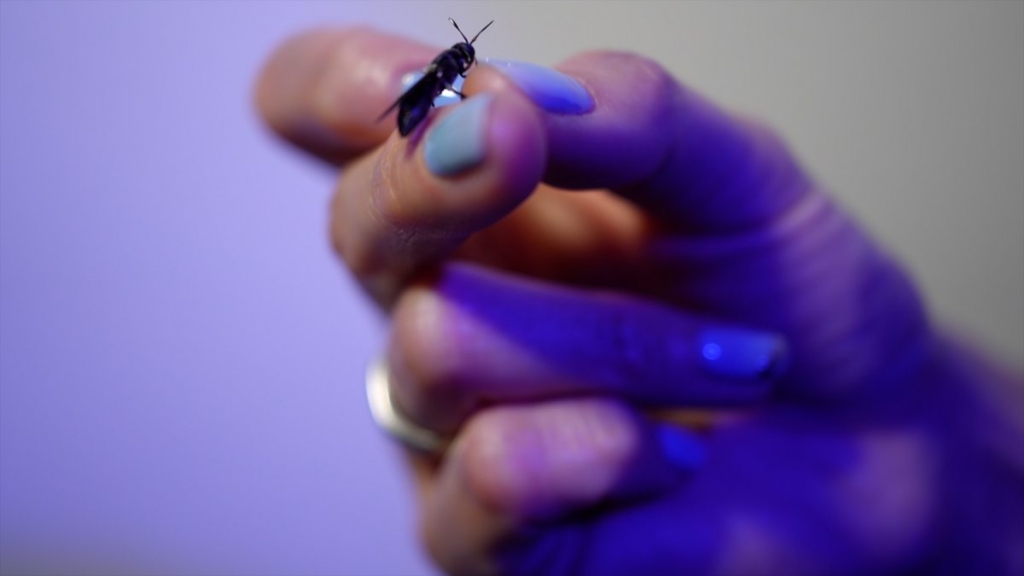
Alasdair Keane Visits the Underground Insect Farm Turning Food Waste into Animal Feed
In a world where food waste is a mounting crisis and sustainable solutions are urgently needed, one underground operation is pioneering a radical new approach to recycling organic matter. Recently, technology journalist and environmental advocate Alasdair Keane ventured into the depths of an innovative insect farm that is transforming food waste into high-quality animal feed, a development that could reshape the future of agriculture and waste management.
Located beneath the bustling streets of a major European city, this subterranean facility is far from the pastoral image most associate with farming. Instead, it is a high-tech, climate-controlled environment where black soldier fly larvae (Hermetia illucens) are cultivated at an industrial scale. These larvae, known for their voracious appetite and rapid growth, are the unsung heroes of this operation, consuming organic waste that would otherwise end up in landfills.
Keane’s visit revealed a meticulously engineered system. The larvae are fed a steady diet of food waste sourced from restaurants, supermarkets, and food processing plants. Within days, they convert this waste into nutrient-rich biomass, which is then processed into animal feed. This feed is not only a sustainable alternative to traditional soy and fishmeal but also boasts a high protein content, making it ideal for poultry, aquaculture, and even pet food.
The environmental implications are staggering. By diverting food waste from landfills, the farm significantly reduces methane emissions, a potent greenhouse gas. Additionally, the larvae require far less land, water, and energy to produce compared to conventional feed crops, making the entire process remarkably efficient. Keane noted that the facility operates on a closed-loop system, with waste heat from the larvae’s metabolism helping to maintain optimal temperatures, further reducing energy consumption.
But the innovation doesn’t stop there. The farm is also exploring the use of insect frass (excrement) as a natural fertilizer, closing the loop on organic waste and contributing to soil health. This holistic approach exemplifies the kind of circular economy solutions that are essential for addressing the dual challenges of food waste and sustainable agriculture.
During his tour, Keane spoke with the farm’s founder, a visionary entrepreneur who believes that insects are the “superheroes of sustainability.” The founder emphasized that while the concept may seem unconventional, the science is sound, and the potential for scaling up is immense. “We’re not just farming insects; we’re farming the future,” he remarked, a sentiment that resonated deeply with Keane.
The visit also highlighted the role of technology in optimizing the process. Advanced sensors monitor temperature, humidity, and CO2 levels, ensuring ideal conditions for the larvae. AI-driven systems predict waste intake and adjust feeding schedules, maximizing efficiency. Keane was particularly impressed by the farm’s use of data analytics to track the nutritional content of the feed, ensuring consistency and quality.
As Keane emerged from the underground facility, he reflected on the broader implications of this work. With the global population projected to reach 10 billion by 2050, the demand for sustainable food production is more urgent than ever. Insect farming offers a scalable, eco-friendly solution that could alleviate pressure on traditional agricultural systems and reduce the environmental footprint of food production.
In his report, Keane underscored the importance of embracing unconventional ideas to tackle pressing global challenges. “This isn’t just about farming insects,” he wrote. “It’s about reimagining our relationship with waste and finding innovative ways to turn it into a resource.”
The underground insect farm is a testament to human ingenuity and the power of technology to drive positive change. As more industries and governments recognize the potential of insect-based solutions, it’s clear that this is just the beginning of a revolution in sustainable agriculture.
Tags:
insect farming, food waste, sustainable agriculture, black soldier fly larvae, circular economy, underground farm, Alasdair Keane, technology innovation, animal feed, methane reduction, closed-loop systems, AI in agriculture, environmental sustainability, nutrient recycling, waste management, eco-friendly solutions, future of farming, industrial entomology, organic waste, climate change mitigation
Viral Phrases:
- “Farming the future”
- “Superheroes of sustainability”
- “Turning trash into treasure”
- “The larvae that could save the planet”
- “Underground revolution in agriculture”
- “From waste to feed in days”
- “The unsung heroes of sustainability”
- “A closed-loop solution to a global crisis”
- “Redefining the meaning of ‘farm-to-table'”
- “The high-tech, low-impact way to feed the world”
- “Why insects might be the next big thing in farming”
- “The secret life of larvae”
- “How a bug farm could change the world”
- “The future is crawling beneath our feet”
- “Sustainability meets scalability”
,

Leave a Reply
Want to join the discussion?Feel free to contribute!