
Tech workers urge DOD, Congress to withdraw Anthropic label as a supply-chain risk
Tech Industry Uproar: Hundreds of Workers Demand Pentagon Back Off Anthropic Amid AI Ethics Standoff
In a stunning display of collective resistance, hundreds of technology workers from some of the most influential companies in Silicon Valley have signed an open letter demanding the Department of Defense immediately withdraw its controversial designation of AI company Anthropic as a “supply-chain risk.” The letter, which has sent shockwaves through Washington and the tech industry alike, also calls on Congress to urgently examine whether the government’s extraordinary actions against this American technology company are legally and ethically justified.
The signatories represent a who’s who of the tech world, including employees from OpenAI, Slack, IBM, Cursor, Salesforce Ventures, and numerous other major players in the artificial intelligence and venture capital ecosystems. This unprecedented show of industry solidarity comes amid an escalating conflict that has laid bare fundamental tensions between national security interests and the ethical boundaries of AI development.
The Dispute That Shook the Industry
The controversy erupted when Anthropic, a leading AI research company founded by former OpenAI executives, refused to grant the Pentagon unrestricted access to its advanced AI systems. At the heart of the standoff were Anthropic’s two non-negotiable “red lines”: the company would not allow its technology to be used for mass surveillance of American citizens, nor would it permit its AI to power autonomous weapons capable of targeting and firing without human oversight.
When Defense Secretary Pete Hegseth claimed the Department of Defense had no intention of pursuing either of these applications, Anthropic CEO Dario Amodei stood firm, insisting that the company would not compromise on these ethical boundaries regardless of the Pentagon’s assurances. What followed was a rapid escalation that has left the tech industry reeling.
From Negotiation to Blacklist: The Administration’s Response
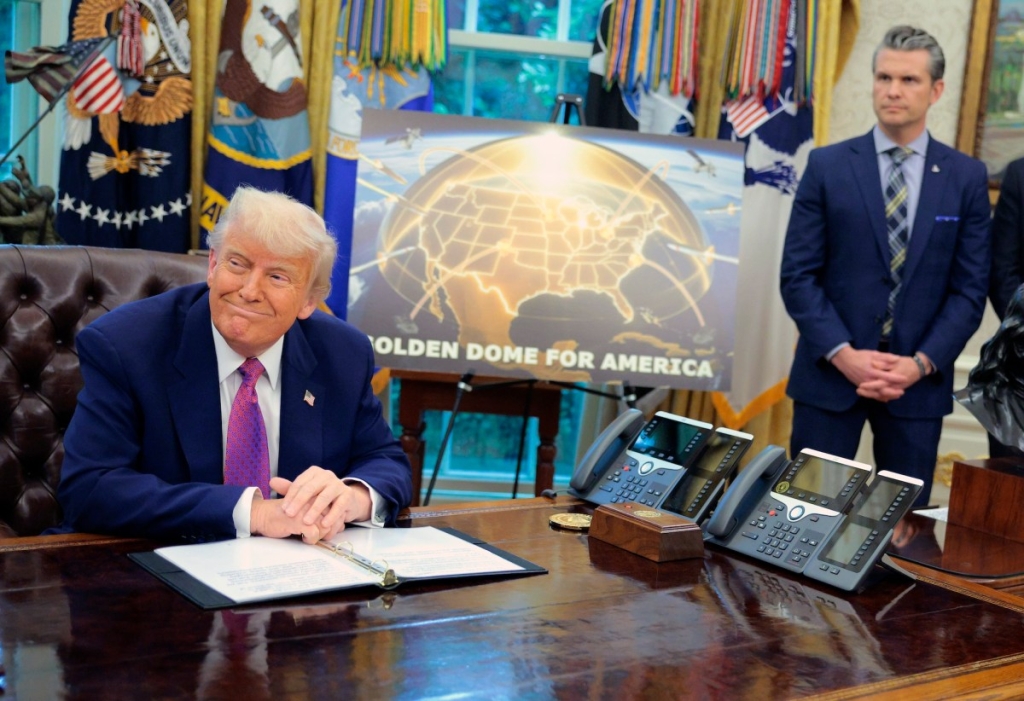
The breakdown in negotiations triggered a series of extraordinary actions from the Trump administration. President Donald Trump directed federal agencies to cease using Anthropic’s technology within six months, a move that many industry observers characterized as retaliatory. But the administration didn’t stop there. Secretary Hegseth escalated the situation dramatically by designating Anthropic as a supply-chain risk—a classification typically reserved for foreign adversaries and hostile nations.
In a social media post that sent immediate shockwaves through the defense and technology sectors, Hegseth declared: “Effective immediately, no contractor, supplier, or partner that does business with the United States military may conduct any commercial activity with Anthropic.” This sweeping declaration effectively threatened to cut Anthropic off from billions of dollars in potential government contracts and severely damage its ability to operate within the broader tech ecosystem.
The Legal and Procedural Quagmire
However, the administration’s actions have created a complex legal and procedural situation. A social media post, no matter how authoritative it may sound, does not automatically transform a company into a supply-chain risk. The government must complete a formal risk assessment process and notify Congress before such a designation takes full effect. This procedural requirement has created a window of opportunity for Anthropic to challenge the designation through legal channels.
In a defiant blog post, Anthropic characterized the supply-chain risk designation as “legally unsound” and vowed to “challenge any supply chain risk designation in court.” The company’s legal team is reportedly preparing to argue that the administration’s actions constitute retaliation for exercising constitutional rights and represent an overreach of executive authority.
Industry-Wide Alarm Over Precedent Setting
The open letter signed by hundreds of tech workers articulates a profound concern that extends far beyond Anthropic’s immediate predicament. “When two parties cannot agree on terms, the normal course is to part ways and work with a competitor,” the letter states. “This situation sets a dangerous precedent. Punishing an American company for declining to accept changes to a contract sends a clear message to every technology company in America: accept whatever terms the government demands, or face retaliation.”
This sentiment captures a growing anxiety within the tech industry about the balance of power between government agencies and private technology companies. Many fear that the administration’s heavy-handed approach could chill innovation and force companies to compromise their ethical standards simply to maintain access to government contracts.
The OpenAI Connection and Industry Solidarity
The controversy has also highlighted divisions and alliances within the AI industry. Moments after President Trump publicly attacked Anthropic, OpenAI—Anthropic’s primary competitor—announced it had reached its own agreement with the Pentagon for deploying its AI models in classified military environments. OpenAI CEO Sam Altman had previously stated that his company shares the same ethical red lines as Anthropic, creating questions about the nature and terms of OpenAI’s Pentagon agreement.
Boaz Barak, a prominent researcher at OpenAI, added his voice to the growing chorus of concern. In a widely circulated social media post, Barak declared that blocking governments from using AI for mass domestic surveillance is his “personal red line” and “it should be all of ours.” His statement resonated throughout the industry, suggesting that the ethical concerns at the heart of Anthropic’s dispute with the Pentagon reflect broader anxieties about AI’s potential for government abuse.
A Call for Industry-Wide Ethical Standards
The controversy has sparked a broader conversation about the need for standardized ethical frameworks and evaluation processes within the AI industry. Barak’s comments emphasized that the tech sector has developed sophisticated methodologies for assessing and mitigating risks related to bioweapons, cybersecurity, and other catastrophic scenarios. He argued that similar rigorous processes should be applied to the risks of government surveillance and AI-enabled abuse.
“This situation has exposed a critical gap in our industry’s approach to ethical AI development,” one anonymous signatory of the open letter told TechCrunch. “We’ve been so focused on the technical challenges and competitive dynamics that we haven’t adequately addressed the fundamental question of how to prevent our technologies from being used in ways that violate human rights and democratic principles.”
The Path Forward: Legal Challenges and Congressional Oversight
As Anthropic prepares its legal challenge and the tech industry mobilizes in support, attention is turning to Congress’s role in this unfolding drama. The open letter’s call for congressional examination of the administration’s use of extraordinary authorities against an American company reflects a recognition that legislative oversight may be necessary to prevent future abuses of power.
The controversy also raises questions about the adequacy of existing frameworks for managing the intersection of cutting-edge technology and national security. Many industry experts argue that the current system, which often relies on ad hoc negotiations and executive discretion, is ill-equipped to handle the complex ethical and security challenges posed by advanced AI systems.
Broader Implications for the AI Industry
The Anthropic dispute represents a watershed moment for the artificial intelligence industry, forcing companies, researchers, and policymakers to confront difficult questions about the role of ethics in technological development, the limits of government authority over private companies, and the responsibilities of AI developers in an era of increasing geopolitical tension.
For smaller AI startups and research labs, the controversy serves as a cautionary tale about the risks of engaging with government agencies without clear ethical guardrails and contractual protections. Many are now reconsidering their approaches to government partnerships and exploring collective strategies for maintaining ethical standards while navigating the complex landscape of national security requirements.
As the legal and political battles unfold, one thing is clear: the tech industry’s response to the administration’s treatment of Anthropic will have lasting implications for how artificial intelligence companies operate, innovate, and engage with government institutions in the years to come. The outcome of this conflict could determine whether the United States maintains its position as a leader in ethical AI development or cedes that ground to competitors with fewer scruples about the applications of their technologies.
The coming weeks and months will be critical as Anthropic pursues its legal challenges, Congress considers whether to exercise its oversight authority, and the tech industry grapples with the fundamental questions raised by this unprecedented confrontation between innovation and authority.
Viral Tags:
AIethics #TechIndustry #Anthropic #Pentagon #SupplyChainRisk #OpenLetter #SiliconValley #GovernmentOverreach #AIrights #TechSolidarity #EthicalAI #NationalSecurity #TechWorkers #ArtificialIntelligence #CorporateEthics #GovernmentContracts #TechFreedom #InnovationRights #AIStandards #TechResistance
Viral Phrases:
“Accept whatever terms the government demands, or face retaliation”
“Blocking governments from using AI for mass domestic surveillance is my personal red line”
“Punishing an American company for declining to accept changes to a contract”
“The normal course is to part ways and work with a competitor”
“Challenge any supply chain risk designation in court”
“Using AI for government abuse and surveilling its own people as a catastrophic risk”
“Extraordinary authorities against an American technology company”
“Tech industry solidarity in the face of government pressure”
“Ethical boundaries of AI development”
“Legal and procedural quagmire”
“Industry-wide alarm over precedent setting”
“Collective resistance from Silicon Valley”
“Cutting-edge technology and national security”
“AI developers’ responsibilities in an era of geopolitical tension”
“Balance of power between government agencies and private technology companies”
“Chilling effect on innovation”
“Constitutional rights and executive authority”
“Ad hoc negotiations and executive discretion”
“Ethical guardrails and contractual protections”
“Fundamental questions about the role of ethics in technological development”
,

Leave a Reply
Want to join the discussion?Feel free to contribute!