
TechCrunch Mobility: When a robotaxi has to call 911
Waymo’s Robotaxi Surge: 500,000 Weekly Rides and the Growing Pains of Autonomous Mobility
Waymo, Alphabet’s autonomous vehicle subsidiary, has hit a significant milestone, now providing 500,000 paid robotaxi rides every week. While this figure may seem modest compared to human-driven ride-hailing giants like Lyft and Uber, it’s the rapid pace of growth, expansion into new markets, and the comparison to its fleet size that truly captures attention.
TechCrunch has visualized this impressive scale, revealing a chart that illustrates Waymo’s meteoric rise in the robotaxi industry. This growth, however, brings with it a new set of challenges, particularly the inevitability of robotaxis becoming immobilized, as seen during the California blackout in December.
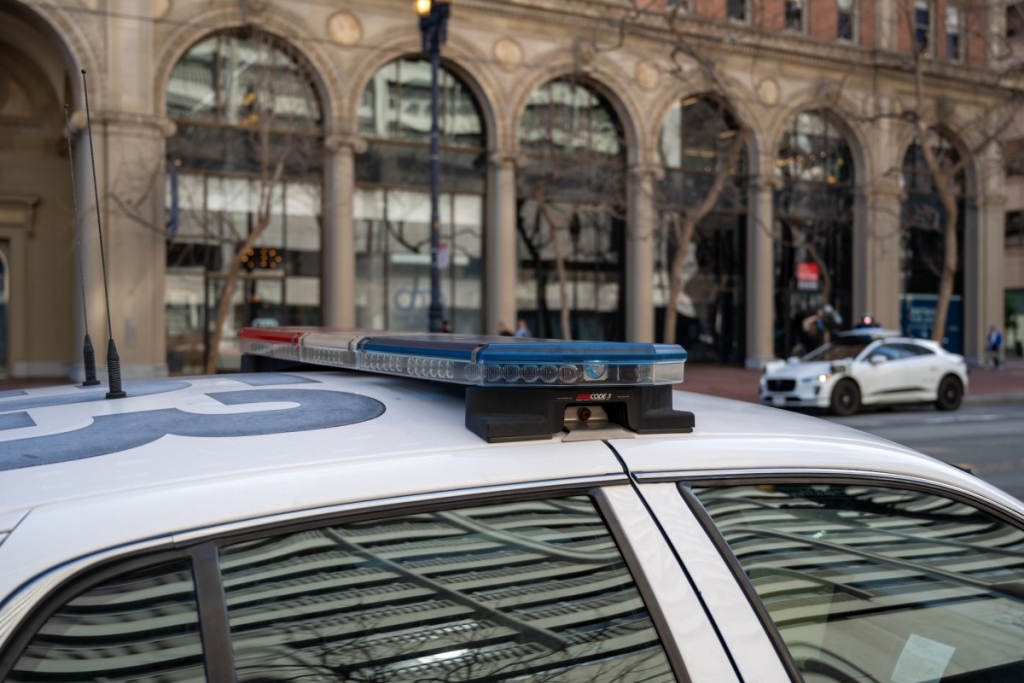
This led to an intriguing question: What happens when a robotaxi gets stuck, and who is responsible for resolving the issue? Senior reporter Sean O’Kane delved into Waymo’s system, which includes its own roadside assistance team, and uncovered at least six incidents where first responders had to manually drive stuck Waymo vehicles. In some cases, these robotaxis became obstacles during emergencies, such as a police officer responding to a mass shooting in Austin being diverted to move a Waymo out of the way.
O’Kane’s investigation revealed that when Waymo’s vehicles encounter difficulties, the company relies on taxpayer-funded public services to resolve the situation. This revelation has sparked debate, with some viewing it as unacceptable, others seeing it as no big deal, and many falling somewhere in between. San Francisco District 4 Supervisor Alan Wong recently stated that many of his counterparts agree that “our first responders should not be AAA.”
This issue extends beyond Waymo, as numerous companies are planning to deploy paid robotaxis in the U.S. this year, including Motional and Zoox. Tesla, with its service in Austin, also has ambitious plans. Each company may have a different system with varying degrees of reliance on first responders.
A little bird close to Uber shared an interesting tidbit about Waymo. According to this insider, it takes up to 30% longer for a Waymo robotaxi to reach its destination compared to a human driver due to the vehicle’s cautious nature and tendency to avoid potential challenges like unprotected left turns.
In other news, Zipline, a U.S. autonomous drone delivery and logistics startup, has raised another $200 million, adding to a recent funding round and pushing its Series H round to $800 million. The company’s success in home delivery and global expansion has attracted significant investor interest.
Other notable deals include NoTraffic’s $90 million Series C funding round, Rivian’s additional $1 billion from Volkswagen Group, Shield AI’s $1.5 billion Series G funding, Swish’s $38 million Series B round, and Uber’s planned investment in Verne, the robotaxi company under Rimac Group.
In terms of notable reads and other tidbits, DoorDash has introduced relief payments for drivers as the Iran-U.S. war drives up gas prices. Harbinger, the EV trucking startup, continues to expand its product roster, with its chassis now being used in emergency vehicles for Frazer. Faraday Future is in the clear with the Securities and Exchange Commission, which closed its four-year investigation into the electric vehicle startup.
Flighty, the popular flight-tracking app, has released a new “Airport Intelligence” feature that provides users with real-time alerts and reasons about airport disruptions. Sony Honda Mobility has given up on the two Afeela-branded EVs it had been developing, and Utah’s governor has signed a bill establishing a liability framework for autonomous vehicles.
Zoox’s purpose-built robotaxis are now navigating public roads in Austin and Miami, with plans to start offering rides in both locations later this year as part of its early-rider program. However, until it receives an exemption from federal regulators, Zoox cannot charge for rides.
Finally, a poll was conducted regarding Rivian’s R2 robotaxi deal with Uber. The results showed that 55% of voters believe it’s a distraction, while 45% said the robotaxi pursuit is critical to its long-term future.
Tags: Waymo, robotaxi, autonomous vehicles, ride-hailing, Uber, Lyft, San Francisco, first responders, emergency services, drone delivery, Zipline, NoTraffic, Rivian, Volkswagen, Shield AI, Swish, Uber, Verne, Rimac Group, DoorDash, Harbinger, Frazer, Faraday Future, Flighty, Sony Honda Mobility, Afeela, Utah, Zoox, Austin, Miami, Rivian, R2, robotaxi, Uber, poll
Viral sentences:
- Waymo’s robotaxis are now providing 500,000 paid rides every week.
- It takes up to 30% longer for a Waymo robotaxi to reach its destination compared to a human driver.
- First responders are being diverted to move stuck Waymo vehicles out of the way during emergencies.
- Our first responders should not be AAA, says San Francisco District 4 Supervisor Alan Wong.
- Numerous companies are planning to deploy paid robotaxis in the U.S. this year.
- Tesla has big ambitions for its robotaxi service in Austin.
- Zipline’s at-home delivery volume growth beat its forecast in January and February.
- Rivian received another $1 billion from Volkswagen Group after completing one of its milestones.
- Shield AI raised $1.5 billion in Series G funding at a $12.7 billion post-money valuation.
- DoorDash has introduced relief payments for drivers as the Iran-U.S. war drives up gas prices.
- Harbinger’s chassis will now be used in emergency vehicles for Frazer.
- The SEC closed its four-year investigation into Faraday Future despite recommending an enforcement action.
- Flighty’s new “Airport Intelligence” feature provides real-time alerts about airport disruptions.
- Sony Honda Mobility is giving up on the two Afeela-branded EVs it had been developing.
- Utah’s governor has signed a bill establishing a liability framework for autonomous vehicles.
- Zoox’s purpose-built robotaxis are now navigating public roads in Austin and Miami.
- 55% of voters believe Rivian’s R2 robotaxi deal with Uber is a distraction, while 45% say it’s critical to its long-term future.
,
Leave a Reply
Want to join the discussion?Feel free to contribute!