
TerraPower gets OK to start construction of its first nuclear plant
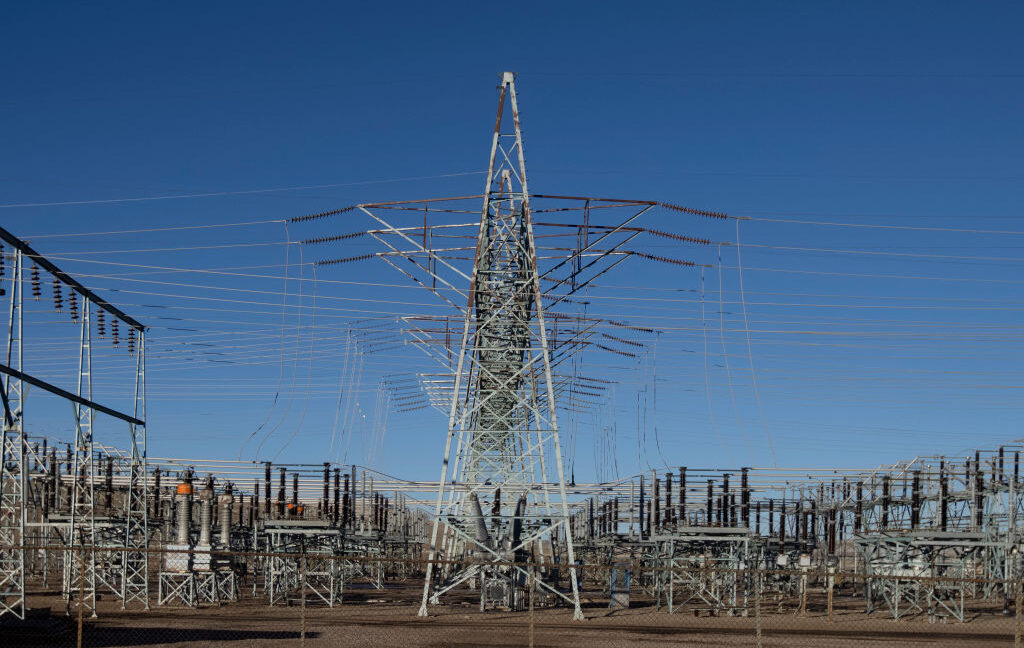
US Nuclear Regulatory Commission Greenlights First New Nuclear Reactor in Nearly a Decade: TerraPower’s Revolutionary Natrium Design Poised to Transform Energy Landscape
In a landmark decision that could reshape the future of clean energy in the United States, the Nuclear Regulatory Commission (NRC) has granted its first construction approval for a new nuclear reactor in nearly ten years. This pivotal green light, announced on Wednesday, paves the way for groundbreaking work to commence at a site in Kemmerer, Wyoming, by TerraPower—a company best known for its financial backing by Bill Gates but now making headlines for its revolutionary approach to nuclear power generation.
The approval represents a critical milestone for TerraPower, though it doesn’t guarantee operational authorization. Nevertheless, it marks a significant step forward for a technology that promises to address many of the longstanding challenges associated with nuclear energy while offering innovative solutions to modern energy demands.
The Natrium Revolution: A New Era in Nuclear Design
TerraPower’s design, dubbed “Natrium” and developed in collaboration with GE Hitachi, represents a radical departure from traditional nuclear reactor architecture. At its core lies a sodium-cooled fast reactor system that fundamentally reimagines how nuclear power can be generated, stored, and deployed.
The most immediately striking feature of the Natrium design is its use of liquid sodium as the primary coolant and heat transfer medium. This represents a dramatic shift from the water-based cooling systems that have dominated nuclear power generation for decades. By utilizing sodium, which remains liquid at much higher temperatures than water, the system eliminates the need for high-pressure steam in the primary cooling loop. This architectural change carries profound implications for both safety and efficiency.
The elimination of high-pressure steam significantly reduces the risk of catastrophic coolant loss accidents that have plagued some historical nuclear incidents. However, this innovation comes with its own set of challenges. Sodium’s extreme reactivity with both air and water requires sophisticated containment and handling systems, demanding rigorous engineering solutions to ensure safe operation.
Fast Neutron Technology: Turning Waste into Energy
Perhaps even more revolutionary than the cooling system is Natrium’s classification as a fast-neutron reactor. This design characteristic enables the reactor to operate using a broader spectrum of nuclear fuel, including isotopes that would typically be considered radioactive waste in conventional light-water reactors. This capability could potentially address one of nuclear power’s most persistent challenges: the management and disposal of spent nuclear fuel.
Fast-neutron reactors can “breed” more fissile material than they consume, potentially creating a more sustainable fuel cycle. This breeding capability, combined with the ability to utilize existing waste products, positions the Natrium design as a potential game-changer in nuclear fuel economics and waste management.
Modular Design Meets Energy Storage Innovation
The Natrium reactor’s relatively modest size—345 megawatts compared to the roughly one gigawatt output of most contemporary nuclear plants—represents another strategic innovation. This modular approach offers several advantages, including potentially faster construction timelines, reduced capital requirements, and greater flexibility in deployment locations.
However, the true genius of the Natrium design lies in its integrated energy storage system. Rather than directly using the heat extracted by the sodium coolant to generate steam for immediate electricity production, the system channels this thermal energy into a salt-based storage medium. This innovative approach creates a thermal battery capable of storing energy for later use or releasing it on demand.
This storage capability transforms the nuclear plant from a traditional baseload power source into a more versatile energy asset. The system can store excess thermal energy during periods of low electricity demand or high renewable energy production, then release it when market conditions are more favorable. This flexibility allows the plant to complement rather than compete with intermittent renewable sources like solar and wind power.
Bridging the Renewable Gap
The integration of energy storage addresses one of nuclear power’s most significant limitations: its inability to economically ramp production up and down in response to changing grid conditions. Traditional nuclear plants operate most efficiently at steady-state output, making them poor partners for renewable energy sources that can cause dramatic fluctuations in electricity supply and demand.
TerraPower’s solution elegantly resolves this tension. By incorporating storage, the Natrium plant can effectively “time-shift” its energy production, storing heat when electricity prices are low and releasing it when prices are high. This capability not only improves the plant’s economic viability but also enhances grid stability by providing a reliable source of dispatchable power that can fill gaps when renewable sources are unavailable.
The storage system’s ability to temporarily boost output to 500 megawatts—approximately 45% above the reactor’s nominal capacity—provides an additional layer of grid support capability. This surge capacity can help meet peak demand periods or provide backup power during renewable energy shortfalls.
Economic and Environmental Implications
The Natrium design’s innovative features carry significant economic implications. The modular construction approach, combined with the ability to generate revenue through energy storage arbitrage, could substantially improve the financial viability of nuclear power in competitive electricity markets. The reduced construction timeline and capital requirements associated with smaller modular designs may also make nuclear power accessible to a broader range of utilities and markets.
From an environmental perspective, the technology offers compelling advantages. Beyond the zero-carbon electricity generation characteristic of all nuclear plants, the Natrium design’s ability to utilize existing nuclear waste as fuel could significantly reduce the long-term storage requirements for radioactive materials. The system’s integration with renewable energy sources also positions it as a crucial component in achieving deep decarbonization of electricity grids.
Regulatory and Technical Hurdles Ahead
While the construction approval represents a major milestone, TerraPower still faces significant challenges before the Kemmerer plant can begin commercial operation. The company must navigate the NRC’s comprehensive licensing process, which includes detailed safety reviews, operational procedures validation, and emergency response planning.
The innovative nature of the Natrium design means that regulatory agencies and local authorities are operating in somewhat uncharted territory. The combination of sodium cooling, fast-neutron technology, and integrated energy storage creates a unique regulatory challenge that will require careful coordination between TerraPower, the NRC, and other stakeholders.
Technical challenges also loom large. The long-term behavior of sodium in contact with reactor materials, the reliability of the energy storage system, and the economics of the overall design at commercial scale remain to be proven. However, the construction approval suggests that regulators and investors have sufficient confidence in the technology’s viability to proceed with the project.
The Road Ahead
The approval of TerraPower’s Natrium design represents more than just a regulatory milestone; it signals a potential renaissance in nuclear power innovation. For decades, nuclear technology development has been constrained by regulatory caution, public skepticism, and economic challenges. The willingness to approve construction of such an innovative design suggests a growing recognition that new approaches may be necessary to address climate change and energy security concerns.
The Kemmerer project will serve as a crucial proving ground for many of these technologies. If successful, it could catalyze further innovation in nuclear power, potentially leading to a new generation of reactors that are safer, more economical, and better integrated with renewable energy systems.
As construction begins in Wyoming, the eyes of the energy industry will be watching closely. The success or failure of this project could determine whether nuclear power’s next chapter is written in innovative designs like Natrium or whether the industry continues its gradual decline in the face of cheaper renewable alternatives and persistent public concerns.
What’s certain is that the approval represents a significant bet on nuclear innovation as a critical component of the clean energy transition. Whether this bet pays off may well determine the trajectory of global efforts to decarbonize electricity generation in the coming decades.
Tags
TerraPower Natrium reactor, Bill Gates nuclear energy, sodium-cooled reactor, fast-neutron technology, nuclear energy storage, modular nuclear design, Kemmerer Wyoming nuclear plant, GE Hitachi partnership, nuclear waste utilization, renewable energy integration, zero-carbon power, nuclear renaissance, energy innovation, clean energy technology, next-generation nuclear, construction approval, NRC licensing, thermal energy storage, grid stability, decarbonization technology
Viral Sentences
Nuclear power gets a revolutionary reboot with sodium cooling and built-in batteries, Bill Gates-backed TerraPower scores historic nuclear approval after decade-long drought, This new reactor eats nuclear waste and stores energy like a giant battery, Modular nuclear design could slash costs and construction times dramatically, The future of clean energy might run on liquid sodium instead of water, First new US nuclear construction approval in nearly 10 years signals changing attitudes, Fast-neutron technology promises to turn nuclear waste into valuable fuel, Energy storage integration makes nuclear power the perfect partner for renewables, Wyoming site chosen for groundbreaking nuclear innovation project, Sodium cooling eliminates high-pressure risks but creates new engineering challenges, 345 MW reactor can surge to 500 MW thanks to thermal storage magic, Nuclear’s modular future arrives with TerraPower’s game-changing design, Construction approval doesn’t guarantee operation but opens crucial pathway forward, Regulatory agencies cautiously embrace innovative nuclear technology, Clean energy’s missing piece might be a nuclear battery with renewable integration, Decade of nuclear stagnation ends with revolutionary sodium-cooled design approval, Waste-eating reactors could solve nuclear power’s biggest environmental challenge, The nuclear renaissance begins with a Wyoming construction site and big ambitions, Energy storage transforms nuclear from baseload to flexible grid asset, Fast-neutron reactors represent the next frontier in nuclear technology evolution.
,


Leave a Reply
Want to join the discussion?Feel free to contribute!