
Tesla Relents, Reportedly Stops Using the Term ‘Autopilot’ in California
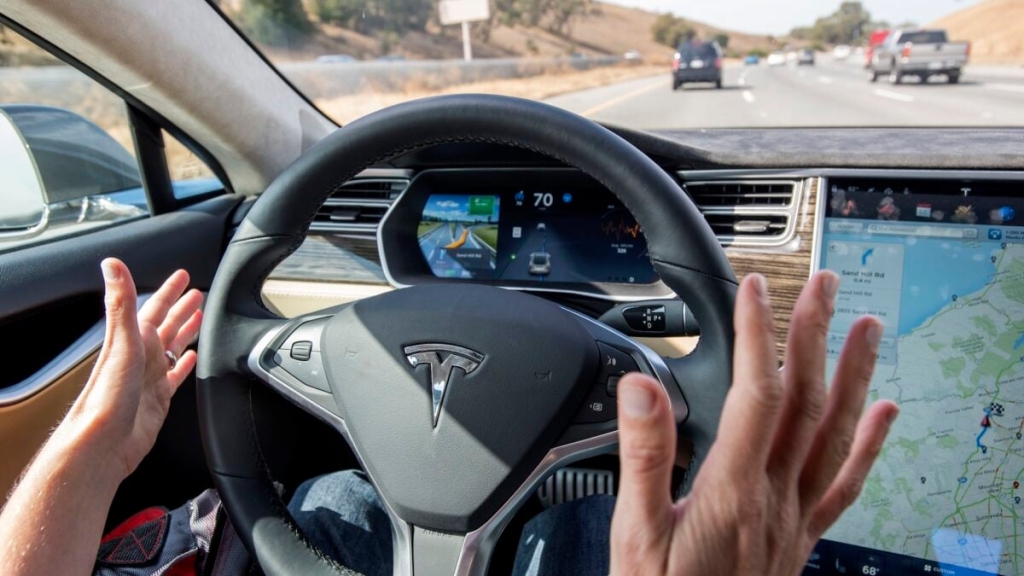
Tesla Caves to California Pressure, Ditches “Autopilot” Marketing in High-Stakes Showdown
In a dramatic pivot that underscores the mounting regulatory pressure on autonomous vehicle marketing, Tesla has officially ceased using the term “Autopilot” in California as a promotional label for its driver assistance technology. The move comes after the California Department of Motor Vehicles (DMV) threatened the electric vehicle giant with a 30-day suspension of its business operations in the state—a penalty that could have crippled Tesla’s already volatile market position in one of its most critical regions.
According to the San Francisco Chronicle, the legal battle traces back to 2023, when California regulators first challenged Tesla’s use of potentially misleading terminology. The DMV argued that phrases like “Autopilot” and “Full Self-Driving” (FSD) created unrealistic expectations about the capabilities of Tesla’s driver assistance systems, potentially endangering consumers who might overestimate the technology’s autonomy.
Tesla’s compliance strategy has been multifaceted and strategic. The company has already transitioned away from offering basic Autopilot as standard equipment, instead pushing customers toward its more advanced, subscription-based Full Self-Driving package. This pricing model shift represents a calculated move to both generate additional revenue and potentially mitigate regulatory concerns by creating clearer distinctions between different levels of technological capability.
On its website, Tesla has already implemented subtle but significant changes. References to “Full Self-Driving” now consistently appear as “full self-driving (supervised),” with the parenthetical clarification serving as a legal safeguard. This linguistic modification represents a nuanced approach to maintaining brand messaging while addressing regulatory scrutiny.
Steve Gordon, director of the California DMV, confirmed that Tesla has “taken the required action to remain in compliance with the state of California’s consumer protections.” The statement signals a temporary resolution to a potentially explosive regulatory confrontation that could have had far-reaching implications for the autonomous vehicle industry.
The timing of this compliance is particularly noteworthy. Consumer Reports’ recent ranking placed Tesla’s driver assistance technology eighth among competing systems from major automakers, trailing behind offerings from Ford, General Motors, Mercedes-Benz, BMW, Nissan, Toyota, and Volkswagen. Kelly Funkhouser of Consumer Reports characterized Tesla’s technology as “not nearly as good as what you might think it is,” a damning assessment that cuts to the heart of the regulatory concerns.
Adding another layer of complexity, recent National Highway Traffic Safety Administration (NHTSA) filings revealed troubling performance data for Tesla’s limited robotaxi fleet. During December and January, the company reported five crashes—a rate four times higher than the average human driver across the same mileage. These statistics provide concrete evidence supporting regulators’ skepticism about the current state of autonomous driving technology.
The California DMV’s aggressive stance represents a broader trend of increased regulatory scrutiny in the autonomous vehicle sector. As technology companies continue to push the boundaries of artificial intelligence and machine learning in transportation, government agencies are becoming increasingly vigilant about protecting consumer interests and public safety.
Tesla’s decision to modify its marketing language is more than a simple branding adjustment—it’s a strategic acknowledgment of the complex regulatory landscape surrounding autonomous vehicle technology. The company’s willingness to adapt suggests a pragmatic approach to navigating an increasingly challenging technological and legal environment.
The broader implications of this development extend far beyond Tesla. Other autonomous vehicle manufacturers will likely be watching closely, potentially adjusting their own marketing strategies in response to California’s assertive regulatory approach. This could signal the beginning of a more standardized, conservative approach to describing and promoting autonomous driving technologies.
As the autonomous vehicle industry continues to evolve, the tension between technological innovation and regulatory oversight will remain a critical dynamic. Tesla’s recent compliance demonstrates that even the most technologically advanced companies must ultimately submit to the regulatory frameworks designed to protect consumers.
The story of Tesla’s Autopilot rebranding is ultimately a microcosm of the broader challenges facing the autonomous vehicle industry: balancing technological ambition with realistic expectations, navigating complex regulatory environments, and maintaining consumer trust in an era of rapid technological change.
Tags:
Tesla Autopilot controversy
California DMV regulations
Autonomous vehicle marketing
Driver assistance technology
Full Self-Driving (FSD)
Electric vehicle industry
Regulatory compliance
Consumer protection
NHTSA safety reports
Robotaxi performance
Autonomous vehicle rankings
Technology marketing strategy
Consumer Reports analysis
Vehicle safety standards
AI transportation technology,


Leave a Reply
Want to join the discussion?Feel free to contribute!