
Tesla sues Calif. DMV after agency said the ‘self-driving’ cars don’t actually drive themselves
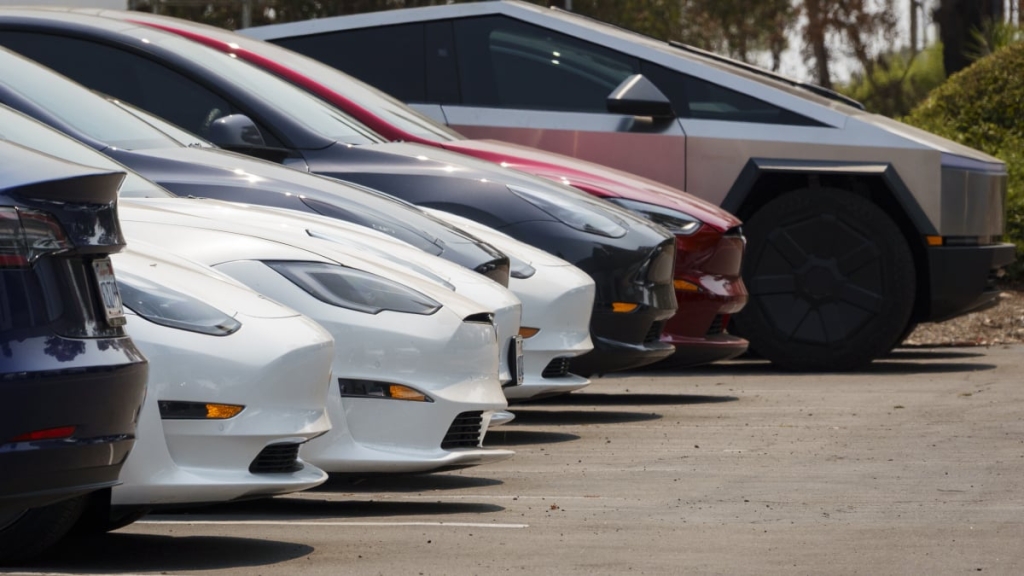
Tesla Sues California DMV in Bold Legal Battle Over “Autopilot” Advertising Rights
In a high-stakes legal showdown that’s sending shockwaves through the tech and automotive industries, Tesla has filed a lawsuit against California’s Department of Motor Vehicles (DMV), challenging a recent ruling that effectively banned the company from using the term “autopilot” in its vehicle marketing and advertising materials.
The electric vehicle giant filed its case on February 13th, alleging that the California DMV “wrongfully and baselessly” labeled Tesla as a “false advertiser” and failed to provide substantial evidence that customers were misled into believing Tesla vehicles could operate autonomously without human supervision.
This legal battle represents the latest chapter in Tesla’s ongoing struggle with regulatory bodies over its self-driving technology marketing practices. The controversy stems from a January ruling by California’s Office of Administrative Hearings, which found that Tesla had engaged in deceptive marketing by describing its driver assistance systems using terms like “Autopilot” and “Full Self-Driving Capability” (FSD).
The court’s decision centered on the National Highway Traffic Safety Administration’s (NHTSA) Levels of Automation framework, which categorizes vehicle automation capabilities from Level 0 (no automation) to Level 5 (full self-driving capability). Tesla’s current systems are rated as Level 2 automation, requiring constant driver attention and intervention, while the court argued that only systems rated at Level 3 or higher should be described as “self-driving.”
Industry analysts point out that this semantic distinction has significant legal and financial implications. By using terminology that suggests greater autonomy than the technology actually provides, Tesla may have created unrealistic expectations among consumers, potentially exposing the company to increased liability in the event of accidents or malfunctions.
The timing of Tesla’s lawsuit is particularly noteworthy, coming just months after the company faced multiple legal challenges related to accidents involving its self-driving features. In one high-profile case from August, Tesla was found partially liable for a fatal accident involving Autopilot mode, highlighting the serious consequences of marketing language that may overstate a system’s capabilities.
In response to the January ruling, Tesla initially adopted a defiant stance, posting a tongue-in-cheek social media message and claiming that the decision would not impact sales. The company then took the dramatic step of effectively discontinuing Basic Autopilot in the United States, restructuring its vehicle offerings to include a standard traffic awareness mode with an optional upgrade to what is now called “Full Self-Driving (Supervised).”
This rebranding effort appears to be an attempt to comply with the court’s requirements while maintaining the ability to market advanced driver assistance features. However, the California DMV’s subsequent announcement that Tesla had met its obligations and would not face a suspension of its license has done little to quell the company’s determination to challenge the underlying ruling.
The stakes in this legal battle extend far beyond Tesla’s marketing practices. A victory for the company could set a precedent that allows other automakers to use similarly ambitious terminology when describing their driver assistance systems, potentially reshaping the regulatory landscape for autonomous vehicle technology.
Conversely, a ruling in favor of the California DMV could force Tesla and other companies to adopt more conservative marketing approaches, potentially slowing the public’s adoption of advanced driver assistance features and impacting the industry’s growth trajectory.
Tesla’s decision to pursue this lawsuit despite having technically complied with the court’s requirements demonstrates the company’s willingness to engage in protracted legal battles to defend its business practices and technological vision. This approach aligns with CEO Elon Musk’s history of challenging established norms and pushing back against regulatory constraints.
The case also highlights the broader tension between innovation and regulation in the rapidly evolving field of autonomous vehicle technology. As companies race to develop and deploy increasingly sophisticated driver assistance systems, regulatory bodies are struggling to keep pace, creating a complex legal and ethical landscape.
Industry experts note that the outcome of this lawsuit could have ripple effects throughout the tech sector, potentially influencing how companies in other fields approach the marketing of emerging technologies. The case raises fundamental questions about the balance between promoting innovation and protecting consumers from potentially misleading claims.
As the legal proceedings unfold, all eyes will be on the California courts to see how they navigate this complex intersection of technology, marketing, and public safety. The decision could have far-reaching implications for Tesla’s business model, the autonomous vehicle industry as a whole, and the broader conversation about the role of regulation in technological advancement.
The California DMV, for its part, has vowed to defend the Administrative Law Judge’s findings and decision in court. A spokesperson stated, “An Administrative Law Judge found that Tesla broke state law by misleading consumers with the term ‘autopilot.’ Tesla agreed to stop this practice, and now they’re challenging it anyway. DMV is committed to protecting the traveling public and will defend the Administrative Law Judge’s findings and decision in court.”
This legal battle represents more than just a dispute over marketing terminology; it’s a clash between a company pushing the boundaries of automotive technology and a regulatory body tasked with ensuring public safety. As the case progresses, it will likely continue to spark debate about the appropriate level of autonomy in vehicles, the responsibility of manufacturers in communicating technological capabilities, and the role of government in regulating emerging technologies.
The outcome of this lawsuit could shape the future of autonomous vehicle development and marketing, potentially influencing how companies approach the introduction of new technologies to the public. It may also set important precedents for how courts and regulatory bodies handle disputes between innovative tech companies and government agencies tasked with protecting public interests.
As Tesla fights to reclaim its right to use “autopilot” in advertising, the case serves as a reminder of the complex challenges facing both the tech industry and regulators as they navigate the rapidly evolving landscape of autonomous vehicle technology. The resolution of this legal battle could have lasting implications for how we understand, regulate, and interact with increasingly sophisticated automotive technologies in the years to come.
Tags & Viral Phrases:
- Tesla vs California DMV
- Autopilot lawsuit
- Elon Musk legal battle
- Self-driving deception
- FSD marketing controversy
- Autonomous vehicle regulation
- Tesla Autopilot banned
- California court ruling
- NHTSA automation levels
- Driver assistance systems
- Tech innovation vs regulation
- Autonomous vehicle liability
- Tesla marketing practices
- Self-driving technology debate
- Automotive industry showdown
- Consumer protection in tech
- Emerging technology regulation
- Autonomous vehicle terminology
- Tesla legal challenges
- DMV vs Tesla
- Autopilot advertising rights
- Full Self-Driving controversy
- Autonomous vehicle safety
- Tech company vs government
- Future of self-driving cars
- Tesla business model impact
- Autonomous vehicle industry
- Regulatory landscape reshaping
- Driver assistance technology
- Public safety vs innovation
- Autonomous vehicle development
- Tesla compliance strategy
- Self-driving marketing language
- Autonomous vehicle adoption
- Tech industry legal battles
- Government regulation of tech
- Automotive technology advancement
- Public perception of autonomy
- Autonomous vehicle liability issues
- Tesla rebranding efforts
- Self-driving feature marketing
- Autonomous vehicle consumer protection
- Tech regulation challenges
- Autonomous vehicle industry standards
- Tesla business practices
- Self-driving technology limitations
- Autonomous vehicle public trust
- Tech innovation boundaries
- Automotive industry disruption
- Autonomous vehicle future
,
Leave a Reply
Want to join the discussion?Feel free to contribute!