
Tesla’s 2025 Profits Were Even Worse Than We Expected
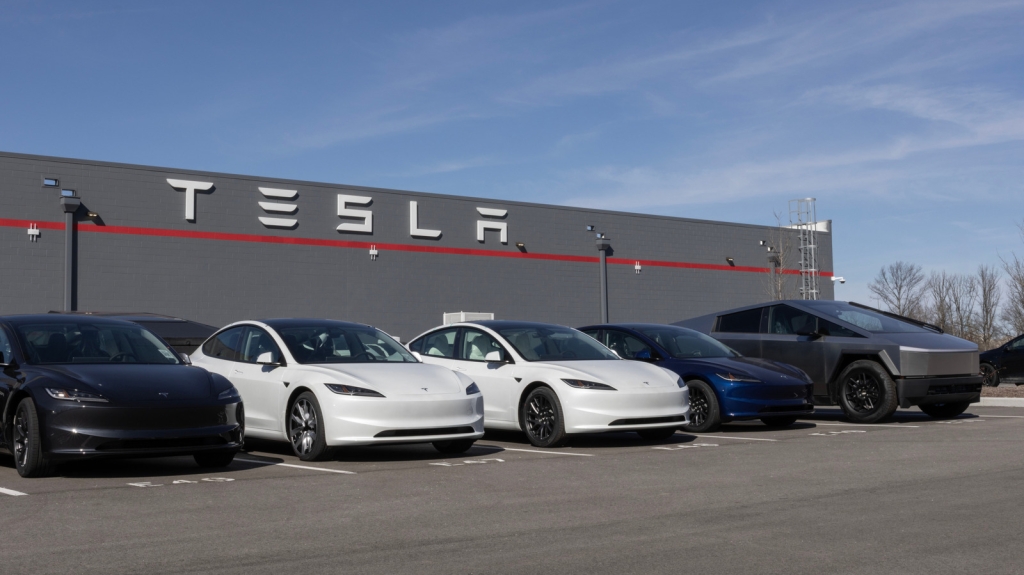
Tesla’s 2025 Profits Collapse: The Electric Giant’s Worst Year Yet
Tesla’s 2025 financial report reads like a horror story for investors, with the electric vehicle pioneer suffering a catastrophic 46% plunge in profits that has sent shockwaves through the automotive and tech industries. The numbers are brutal: Tesla’s net income plummeted from $7.091 billion in 2024 to a mere $3.794 billion in 2025, marking what many analysts are calling the company’s most challenging year since its inception.
The Perfect Storm of Problems
The decline isn’t just a blip on the radar—it’s a full-blown crisis. Tesla delivered 1,585,279 Model 3 and Model Y vehicles in 2025, down from 1,704,093 in 2024 and significantly below the 2023 peak of 1,739,707. This three-year downward trend in deliveries reveals a company struggling to maintain its once-unassailable market position.
The competitive landscape has transformed dramatically. Chinese automaker BYD has emerged as a formidable rival, offering compelling alternatives that have captured market share globally. The EV market itself has exploded with options, giving consumers choices that simply didn’t exist when Tesla dominated the conversation. Where Tesla once stood alone as the electric vehicle vanguard, it now competes in a crowded field of established automakers and hungry startups.
Beyond Cars: Tesla’s Radical Pivot
Perhaps most tellingly, Tesla’s 2025 financial presentation signaled a fundamental shift in corporate identity. The company explicitly stated it’s transitioning “from a hardware-centric business to a physical AI company.” This isn’t just marketing spin—it represents a complete reimagining of what Tesla wants to be.
The Robotaxi initiative, long teased by CEO Elon Musk, appears to be moving from vaporware to reality, though skepticism remains warranted given the project’s history of delays and overpromises. The company also made progress on its Optimus robot, a humanoid machine that represents Tesla’s most ambitious bet yet on artificial intelligence applications beyond transportation.
Full Self-Driving technology received its “supervised” release, marking another step toward autonomous vehicles, though the feature remains controversial and legally restricted in many jurisdictions. Tesla is simultaneously laying groundwork for Cybercab production, a vehicle designed specifically for autonomous ride-hailing services rather than personal ownership.
The End of an Era
In a move that shocked many observers, Tesla began phasing out its premium Model X and Model S vehicles. These models, once the crown jewels of Tesla’s lineup and status symbols for early adopters, are being retired as the company focuses resources on its AI ambitions and mass-market offerings. The decision underscores how dramatically Tesla’s priorities have shifted from being primarily a car manufacturer to something much more ambitious—and risky.
Market Reaction and Future Uncertainty
Wall Street’s response to the earnings report was predictably harsh. Tesla’s stock price tumbled in after-hours trading as investors grappled with the implications of declining sales coupled with massive investments in unproven technologies. The company’s cash burn rate has increased substantially as it pours resources into AI infrastructure, robotics, and autonomous vehicle development.
The timing couldn’t be worse. Tesla faces mounting pressure from regulators concerned about autonomous vehicle safety, increasing competition in every market segment, and a consumer base that’s becoming more price-sensitive as economic uncertainty grows. The company’s reputation has also taken hits from various controversies, including Musk’s political activities and public statements that have alienated some customers.
What’s Next for Tesla?
The big question hanging over Tesla is whether this painful transition will pay off. The company is essentially betting that the future lies not in selling more cars, but in providing AI-powered transportation services and robotics solutions. It’s a bold vision, but one fraught with execution risk and technological hurdles that may prove insurmountable.
Tesla’s leadership, particularly Musk, has shown a willingness to pivot dramatically when circumstances demand it. However, the company’s core competency in electric vehicles is being tested as never before, while its expansion into AI and robotics represents uncharted territory for an organization built on automotive manufacturing expertise.
The coming years will determine whether Tesla’s transformation represents visionary leadership or a costly distraction from its core business. What’s certain is that 2025 will be remembered as the year Tesla’s golden run ended and the company entered a period of profound uncertainty about its identity and future direction.
viral tags: Tesla profits crash, Elon Musk AI pivot, Robotaxi revolution, BYD vs Tesla, Tesla stock disaster, Optimus robot future, Full Self-Driving controversy, Tesla Model X discontinued, electric vehicle competition, Tesla 2025 earnings, AI company transformation, Cybercab production, Tesla market share decline, autonomous vehicle skepticism, Tesla financial crisis, Musk’s bold bets, Tesla’s identity crisis, EV market saturation, Tesla’s worst year, Robotaxi delays, Tesla’s new direction, AI infrastructure investment, Tesla’s risky pivot, electric vehicle slowdown, Tesla’s uncertain future
,

Leave a Reply
Want to join the discussion?Feel free to contribute!