
Tesla’s battle with the California Department of Motor Vehicles isn’t over after all
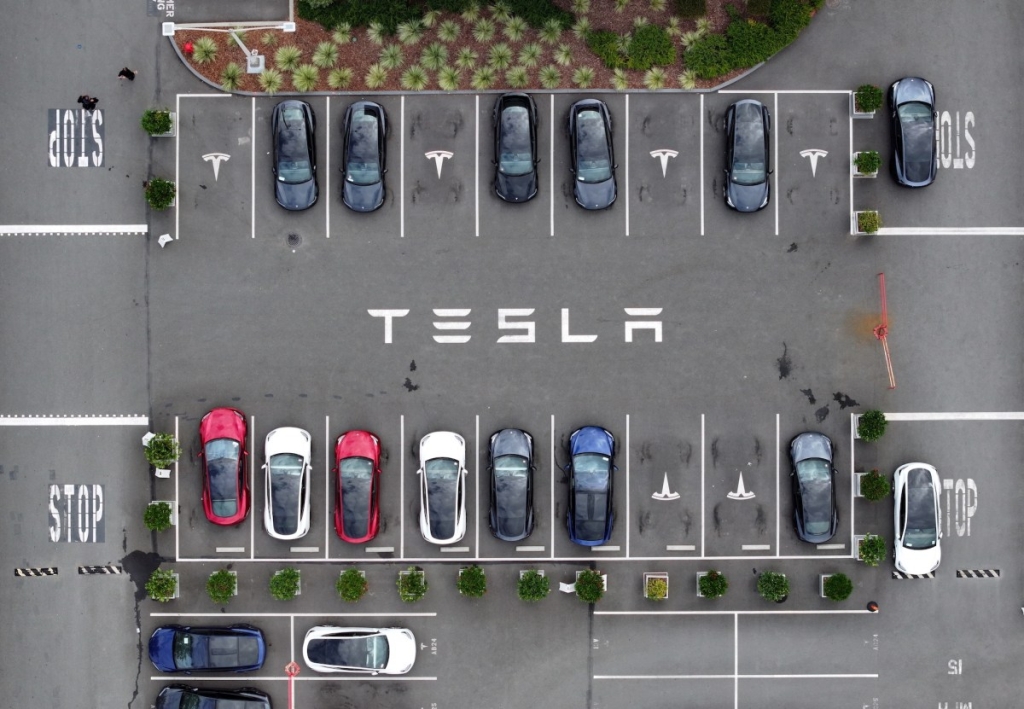
Tesla Sues California DMV in Bold Move to Overturn Autopilot Marketing Ruling
In a high-stakes legal battle that could reshape the future of autonomous vehicle marketing in the United States, Tesla has filed a lawsuit against the California Department of Motor Vehicles (DMV), challenging a ruling that accused the electric vehicle giant of deceptive advertising regarding its Autopilot and Full Self-Driving (FSD) capabilities.
The dispute centers on the DMV’s determination that Tesla’s marketing materials overstated the automated driving features of its vehicles, potentially misleading consumers about the true level of autonomy offered by its driver-assistance systems. This accusation, if upheld, could have far-reaching implications not only for Tesla but for the entire autonomous vehicle industry, as regulators worldwide grapple with how to govern the rapidly evolving technology.
A Legal Showdown Reignites
The lawsuit, first reported by CNBC, marks a dramatic escalation in a conflict that many believed had been resolved. Just last week, the DMV announced it would not suspend Tesla’s sales and manufacturing licenses for 30 days, citing the company’s compliance with the ruling by ceasing to use the term “Autopilot” in its California marketing materials. This decision was seen as a victory for Tesla, allowing the company to continue operations without significant disruption.
However, Tesla’s decision to pursue legal action suggests that the company is not content with merely complying with the DMV’s demands. Instead, it appears determined to challenge the very foundation of the ruling, potentially setting the stage for a protracted legal battle that could have significant ramifications for the autonomous vehicle industry.
The DMV’s Initial Stance and Tesla’s Compliance
The DMV’s initial position was far more aggressive than its recent decision to forgo license suspension. An administrative law judge had agreed with the DMV’s request to suspend Tesla’s licenses for 30 days as a penalty for the alleged deceptive marketing practices. This proposed suspension would have been a severe blow to Tesla, potentially halting sales and manufacturing operations in one of its most crucial markets.
Instead of immediately enforcing this penalty, the state regulator opted for a more measured approach, giving Tesla 60 days to comply with the ruling. This decision provided the company with a window of opportunity to rectify the situation without facing immediate operational disruptions.
Tesla’s Extreme Compliance Measures
In a move that surprised many industry observers, Tesla chose to comply with the DMV’s demands in the most extreme manner possible. In January, the company announced that it would discontinue Autopilot altogether in the United States and Canada. This decision went far beyond simply removing the term from marketing materials; it represented a complete withdrawal of one of Tesla’s most prominent features.
The discontinuation of Autopilot was seen by some as an overreaction, raising questions about Tesla’s motivations. Was this a genuine attempt to comply with regulatory demands, or a strategic move to push consumers towards its more advanced (and expensive) Full Self-Driving software? The company’s decision to file a lawsuit against the DMV suggests that it may now be reconsidering its approach, potentially seeking a way to reintroduce Autopilot or defend its marketing practices more broadly.
The Broader Implications for Autonomous Vehicle Technology
This legal battle between Tesla and the California DMV is about more than just one company’s marketing practices; it represents a critical juncture in the development and regulation of autonomous vehicle technology. As self-driving cars move from science fiction to reality, regulators are struggling to keep pace with the rapid advancements in the field.
The outcome of this lawsuit could set important precedents for how autonomous vehicle features are marketed and regulated across the United States. If the DMV’s ruling is upheld, it could lead to stricter guidelines for how companies communicate the capabilities of their driver-assistance systems, potentially slowing the rollout of new autonomous features. Conversely, if Tesla prevails, it could embolden other companies to push the boundaries of their marketing claims, potentially leading to increased consumer confusion about the true capabilities of autonomous vehicles.
Tesla’s Legal Strategy and Potential Outcomes
By filing this lawsuit, Tesla is taking a significant gamble. The company is essentially challenging the authority of a state regulatory body to dictate how it markets its products. This approach carries substantial risks, as an unfavorable ruling could not only reaffirm the DMV’s original decision but potentially lead to even harsher penalties.
However, if Tesla succeeds in overturning the DMV’s ruling, it could pave the way for a more permissive regulatory environment for autonomous vehicle marketing. This could be particularly advantageous for Tesla, which has long positioned itself as a leader in autonomous driving technology and has invested heavily in developing its Full Self-Driving system.
The lawsuit also raises questions about the consistency of regulatory approaches across different states and countries. As Tesla operates globally, it will be crucial for the company to navigate a complex web of regulations governing autonomous vehicle technology. A victory in California could provide Tesla with a powerful precedent to challenge similar rulings in other jurisdictions.
The Future of Autopilot and Full Self-Driving
The discontinuation of Autopilot in the U.S. and Canada has left many Tesla owners and potential buyers in a state of uncertainty. While the company continues to offer its more advanced Full Self-Driving package, the removal of the standard Autopilot feature has been a significant change for many users who had come to rely on the technology.
Tesla’s lawsuit against the DMV could be seen as an attempt to reclaim the right to market and offer Autopilot as a distinct feature. This move could be particularly important if the company believes that the Full Self-Driving package, while more advanced, is not yet ready for widespread adoption or if it seeks to maintain a tiered approach to driver assistance features.
Industry Reactions and Market Impact
The tech and automotive industries are watching this legal battle closely, as its outcome could have ripple effects throughout the sector. Competitors in the autonomous vehicle space, such as Waymo, Cruise, and traditional automakers developing their own driver-assistance systems, will be keen to see how the case unfolds.
For investors, the lawsuit introduces a new element of uncertainty into Tesla’s stock performance. While the company has shown remarkable resilience in the face of various challenges, a prolonged legal battle with a powerful state regulatory body could potentially impact investor confidence and, by extension, the company’s market valuation.
Conclusion: A Defining Moment for Autonomous Vehicles
As Tesla’s lawsuit against the California DMV progresses, it will undoubtedly be one of the most closely watched legal battles in the tech and automotive industries. The case represents a critical test of how far companies can go in marketing their autonomous vehicle technologies and could set important precedents for the future regulation of this rapidly evolving field.
For Tesla, this lawsuit is more than just a defense of its marketing practices; it’s a bold statement about the company’s vision for the future of autonomous driving. As the legal proceedings unfold, the entire industry will be watching to see whether Tesla can successfully challenge the regulatory status quo and continue to push the boundaries of what’s possible in self-driving technology.
The outcome of this case could shape not only Tesla’s future but also the trajectory of autonomous vehicle development for years to come. As consumers, regulators, and industry players alike await the court’s decision, one thing is certain: the eyes of the tech world will be firmly fixed on this high-stakes legal showdown.
Tags and Viral Phrases:
- Tesla vs California DMV
- Autopilot marketing lawsuit
- Autonomous vehicle regulation
- Full Self-Driving controversy
- Tesla legal battle
- DMV suspends Tesla licenses
- Deceptive advertising claims
- Self-driving car technology
- Tesla discontinues Autopilot
- Regulatory challenges in AI
- Future of autonomous vehicles
- Tech industry legal disputes
- Consumer protection in tech
- Innovation vs regulation
- Elon Musk’s Tesla strategy
- Breaking: Tesla sues DMV
- Game-changing lawsuit alert
- Autonomous driving future at stake
- Don’t miss: Tesla’s bold move
- Industry-shaking legal battle
,

Leave a Reply
Want to join the discussion?Feel free to contribute!