
Tesla’s Full Self-Driving is on the cusp of a recall
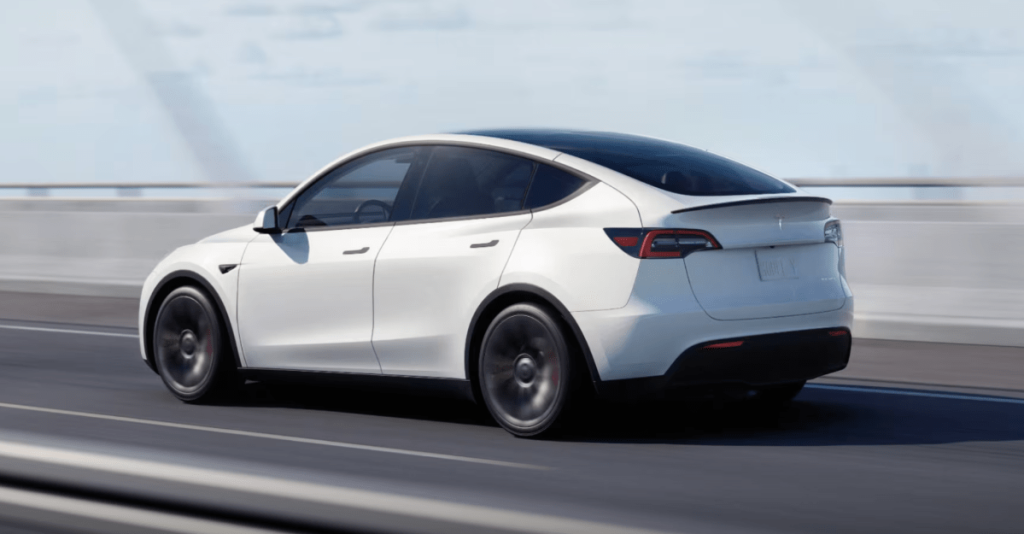
Tesla’s Full Self-Driving Under Fire as NHTSA Expands Investigation Over Safety Failures in Poor Visibility
In a move that’s sending shockwaves through the autonomous vehicle industry, the National Highway Traffic Safety Administration (NHTSA) has significantly expanded its investigation into Tesla’s controversial Full Self-Driving (FSD) system. The federal safety watchdog is now conducting a comprehensive engineering analysis—the most serious phase of an investigation before a potential recall—focusing on whether Tesla’s FSD system adequately protects drivers and passengers when road visibility deteriorates.
The investigation centers on a critical safety feature called the “degradation detection” system, which is designed to monitor whether Tesla’s cameras can clearly see the road ahead. When visibility drops due to weather conditions, glare, dust, fog, or other airborne obscurants, this system should alert drivers to take manual control before the vehicle enters dangerous territory. However, mounting evidence suggests this safeguard may be failing catastrophically.
A Pattern of Dangerous Failures Emerges
According to NHTSA’s Office of Defects Investigation (ODI), the degradation detection system has repeatedly failed to identify common roadway conditions that impair camera visibility. In numerous crashes under investigation, the system either didn’t detect degraded visibility conditions at all or waited until the very moment before impact to alert drivers—leaving no time for human intervention.
“In the crashes that ODI has reviewed, the system did not detect common roadway conditions that impaired camera visibility and/or provide alerts when camera performance had deteriorated until immediately before the crash occurred,” NHTSA stated in its official filing on March 18th.
This investigation represents a dramatic escalation from NHTSA’s initial probe launched in March 2025, which examined 2.4 million Tesla vehicles. The current engineering analysis suggests federal regulators have found enough concerning patterns to warrant their most intensive investigative procedures.
The Technical Breakdown: Why Visibility Matters
Tesla’s FSD system relies entirely on an array of cameras mounted around the vehicle to perceive its surroundings—unlike some competitors who incorporate radar, lidar, or other sensing technologies as backup systems. This camera-only approach, known as Tesla Vision, theoretically offers cost advantages but creates a single point of failure when visibility conditions deteriorate.
The degradation detection system was supposed to be the safety net for this approach. It continuously monitors camera feed quality, looking for signs that the vehicle’s “eyes” can no longer reliably see the road. When it detects problems, it should warn the driver to take control immediately.
However, the investigation has revealed that this safety mechanism is either not functioning as designed or is too slow to respond effectively. Whether it’s the blinding glare of a setting sun, dust kicked up by other vehicles, heavy rain, or fog rolling across a highway, the system appears to be missing critical warning signs that human drivers would naturally recognize.
A Fatal 2023 Incident Sparks Initial Concern
The expanded investigation traces back to a fatal crash in 2023 that first raised red flags about the degradation detection system’s effectiveness. Following that incident, Tesla began developing an update to address the identified shortcomings. However, NHTSA’s latest filing reveals a troubling lack of transparency: the agency doesn’t know which vehicles have received this critical safety update, or even if it’s been widely deployed.
Even more concerning, the update—developed nearly a year ago—may have prevented some of the safety incidents currently under investigation. This suggests that while Tesla recognized the problem internally, the solution hasn’t reached the vehicles that need it most, leaving potentially millions of Tesla owners at risk.
The Broader Context: Tesla’s Autonomous Ambitions Under Scrutiny
This investigation comes at a particularly sensitive time for Tesla and its CEO Elon Musk, who has repeatedly promised that full autonomy is just around the corner. The company’s marketing of the “Full Self-Driving” system has already drawn criticism for potentially misleading consumers about the system’s actual capabilities—it still requires constant driver supervision and can’t truly operate without human intervention.
The timing is also notable given Tesla’s aggressive expansion of FSD capabilities and its push to collect more real-world driving data to improve the system. Each new vehicle sold with FSD capability adds to Tesla’s fleet of rolling data collectors, but also potentially increases the number of vehicles with this vulnerability to visibility-related failures.
What’s at Stake: Safety, Trust, and the Future of Autonomous Driving
The outcome of this investigation could have far-reaching implications for Tesla and the entire autonomous vehicle industry. If NHTSA finds systematic defects in the degradation detection system, it could lead to:
- A mandatory recall affecting millions of vehicles
- Forced software updates to improve the detection system
- Fines and penalties against Tesla
- Changes to how Tesla markets and sells FSD capabilities
- Broader regulatory scrutiny of camera-only autonomous systems
For Tesla owners, the investigation raises serious questions about the safety of using FSD features, particularly in challenging weather conditions or during times of day when glare is common. It also highlights the ongoing tension between technological ambition and proven safety in the race toward autonomous vehicles.
Industry and Consumer Reaction
The expanded investigation has drawn reactions from safety advocates, industry competitors, and Tesla investors alike. Consumer advocacy groups are calling for greater transparency from Tesla about the system’s limitations and faster deployment of safety fixes. Meanwhile, traditional automakers with more conservative approaches to autonomous technology are watching closely, potentially ready to highlight the risks of Tesla’s more aggressive strategy.
Tesla investors are also taking note, as any recall or mandated software changes could impact the company’s bottom line and its ambitious growth projections for FSD as a subscription service.
Looking Ahead: What Happens Next
The engineering analysis phase typically takes several months, during which NHTSA will conduct detailed technical examinations, review crash data, and potentially test vehicles to understand the scope and severity of the degradation detection failures. At the conclusion of this phase, NHTSA could:
- Close the investigation if no defects are found
- Issue a recall if serious safety issues are identified
- Require Tesla to implement specific safety improvements
- Impose fines for any violations of safety regulations
For Tesla, the path forward likely involves not just addressing the immediate technical concerns but also rebuilding trust with regulators, customers, and the broader public about the safety and reliability of its autonomous driving ambitions.
The expanded NHTSA investigation into Tesla’s Full Self-Driving system represents a critical moment in the evolution of autonomous vehicle technology. It underscores the fundamental challenge of creating systems that can safely handle the unpredictable and often harsh conditions of real-world driving—a challenge that Tesla, despite its technological prowess and market dominance, is still struggling to fully overcome.
Tags: Tesla, Full Self-Driving, FSD, NHTSA, National Highway Traffic Safety Administration, autonomous vehicles, self-driving cars, vehicle safety, recall, engineering analysis, degradation detection, camera-only system, Elon Musk, autonomous technology, automotive safety, federal investigation, vehicle defects, road visibility, weather safety, Tesla Vision, ODI, Office of Defects Investigation
Viral Phrases:
- “Tesla’s FSD system fails when it matters most”
- “The safety net that wasn’t there”
- “Millions of vehicles at risk”
- “Camera-only approach creates single point of failure”
- “Fatal 2023 crash sparks federal investigation”
- “Update developed but never deployed?”
- “NHTSA’s most serious investigation phase”
- “Autonomous driving’s biggest credibility test”
- “Visibility failures that could kill”
- “Tesla’s billion-dollar bet on autonomy hits roadblock”
- “When your car can’t see the road”
- “The warning that came too late”
- “Regulators sound alarm on FSD safety”
- “Elon Musk’s autonomous dreams under federal scrutiny”
- “Safety update that may have already prevented crashes”
- “Camera vision vs. reality”
- “The investigation that could change autonomous driving forever”
- “Tesla owners left in the dark about safety risks”
- “From investigation to recall: What’s next for Tesla?”
- “The hidden danger in your Tesla’s FSD system”
,
Leave a Reply
Want to join the discussion?Feel free to contribute!