
Tesla’s Texas factory workforce reportedly shrunk 22% in 2025
Tesla’s Austin Gigafactory Faces Major Workforce Reduction Amid Sales Slump
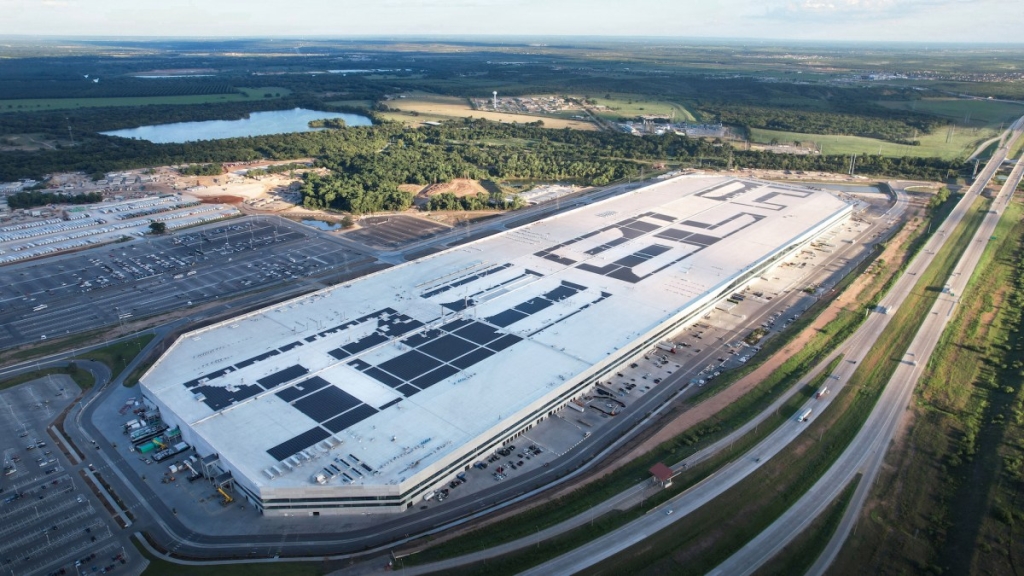
In a striking development that underscores the challenges facing the electric vehicle industry, Tesla’s flagship Gigafactory outside Austin, Texas, has undergone a dramatic workforce reduction over the past year. According to a compliance report recently uncovered by the Austin American-Statesman, the company’s employment at the facility plummeted by 22% between 2024 and 2025, dropping from 21,191 workers to just 16,506. This sharp decline comes as Tesla grapples with its second consecutive year of declining sales, raising questions about the company’s operational strategy and its impact on the local economy.
The Austin Gigafactory, which opened in 2022, has been a cornerstone of Tesla’s expansion plans and a symbol of the company’s commitment to innovation and sustainability. However, the recent workforce reduction paints a starkly different picture, one that highlights the volatility of the EV market and the challenges of scaling production in a competitive landscape. Despite the local contraction, Tesla’s global workforce has continued to grow, increasing from 125,665 employees in 2024 to 134,785 in 2025, according to filings with the U.S. Securities and Exchange Commission (SEC). This disparity between local and global employment trends suggests that Tesla may be reallocating resources to other regions or prioritizing specific projects over others.
The reasons behind the workforce reduction at the Austin Gigafactory remain unclear, as Tesla has not provided detailed explanations for the cuts. However, industry analysts speculate that the decision could be linked to the company’s declining sales figures. In 2024, Tesla reported a 7% drop in vehicle deliveries compared to the previous year, marking its first annual decline in sales since 2019. This trend has continued into 2025, with analysts citing factors such as increased competition from traditional automakers, supply chain disruptions, and shifting consumer preferences as potential contributors to the slowdown.
The Austin Gigafactory has been a significant driver of economic growth in the region, with Tesla investing over $6.3 billion in the facility to date. The factory has also played a pivotal role in attracting talent and fostering innovation in the area, with CEO Elon Musk relocating Tesla’s headquarters to Austin in 2021, even before the factory was operational. The recent workforce reduction, therefore, has raised concerns among local officials and residents about the potential impact on the region’s economy and job market.
Despite the challenges, Tesla remains a dominant force in the EV industry, with its Gigafactories serving as hubs for innovation and production. The Austin facility, in particular, has been instrumental in the company’s efforts to ramp up production of its popular Model Y SUV and the highly anticipated Cybertruck. However, the recent workforce reduction suggests that Tesla may be recalibrating its operations to address the current market conditions and optimize its production capabilities.
The broader implications of Tesla’s workforce reduction extend beyond the company itself, reflecting the broader challenges facing the EV industry as it navigates a period of rapid growth and increasing competition. As traditional automakers ramp up their EV offerings and new players enter the market, companies like Tesla are under pressure to maintain their competitive edge while managing costs and meeting consumer demand. The Austin Gigafactory’s workforce reduction serves as a reminder of the delicate balance between innovation, scalability, and sustainability in the fast-evolving EV landscape.
In conclusion, Tesla’s decision to reduce its workforce at the Austin Gigafactory by 22% in 2025 is a significant development that underscores the challenges facing the electric vehicle industry. While the company continues to grow its global workforce, the local contraction highlights the complexities of managing operations in a dynamic and competitive market. As Tesla and other EV manufacturers navigate these challenges, the future of the industry will depend on their ability to adapt, innovate, and meet the evolving needs of consumers. For now, the Austin Gigafactory remains a symbol of Tesla’s ambitions and a testament to the transformative potential of electric vehicles, even as it grapples with the realities of a changing market.
Tags: Tesla, Austin Gigafactory, workforce reduction, electric vehicles, EV industry, Elon Musk, sales decline, economic impact, innovation, sustainability, Model Y, Cybertruck, SEC filings, global workforce, market competition, production optimization.
Viral Sentences:
- Tesla’s Austin Gigafactory slashes workforce by 22% as sales slump continues.
- Elon Musk’s electric empire faces major shakeup in Texas.
- Austin’s EV hub feels the heat as Tesla scales back operations.
- $6.3 billion investment, but Tesla’s Austin factory cuts jobs.
- Is Tesla losing its edge? Workforce reduction sparks debate.
- Austin’s economy on edge as Tesla’s Gigafactory downsizes.
- Tesla’s global growth masks local struggles at Austin facility.
- EV giant Tesla recalibrates as competition heats up.
- Austin Gigafactory: From innovation hub to cost-cutting center?
- Tesla’s Austin workforce cut: A sign of bigger challenges ahead?
,


Leave a Reply
Want to join the discussion?Feel free to contribute!