
That rumored ‘Wide’ Galaxy Z Fold might be in testing with Samsung’s next major OS
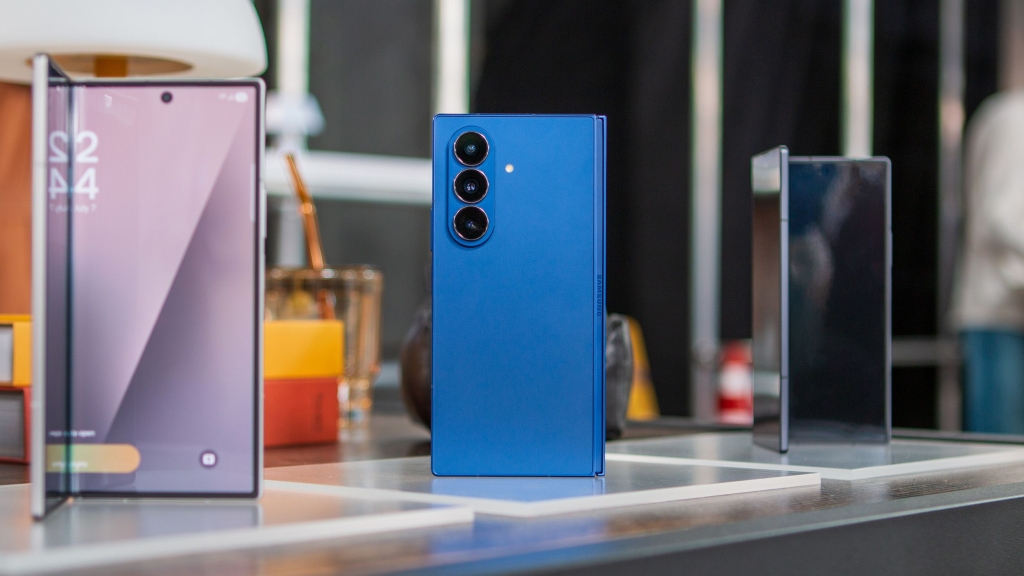
Samsung’s “Wide” Galaxy Z Fold: Android 17 Testing Hints at Imminent Launch
The foldable smartphone landscape is heating up, and Samsung appears to be cooking something special in its labs. Fresh rumors suggest that the company’s mysterious “Wide” Galaxy Z Fold is already running early builds of Android 17 (One UI 9), signaling that development is progressing at breakneck speed.
Android 17 Testing Confirms Development Progress
According to reports from SamMobile, Samsung has begun internal testing of what appears to be the Wide Galaxy Z Fold with firmware version F971USQU0AZB1. This firmware bears striking similarities to the test builds spotted for the upcoming Galaxy Z Flip 8 and Z Fold 8, suggesting Samsung is parallel-tracking multiple foldable projects.
Tipster Tarun Vats on X (formerly Twitter) first surfaced these findings, speculating that this firmware represents Samsung’s early test build for Android 17, which will ship with One UI 9. The timing is particularly interesting given Google’s recent announcement that Android 17 beta testing is “coming soon,” with Android 16 users automatically enrolled in the program.
“Things are moving fast,” Vats noted, and he’s not wrong. Google just wrapped up its final QPR3 build for Android 16, marking the end of that development cycle and the beginning of the Android 17 era. This accelerated timeline suggests Samsung is eager to align its next-generation foldables with the latest Android version.
A Bold New Form Factor
The “Wide” Fold represents Samsung’s most ambitious departure from traditional foldable design yet. While details remain scarce, the device is rumored to feature an 18:9 aspect ratio—essentially a square-like display when unfolded that could revolutionize how we interact with mobile content.
Imagine a device that combines the immersive viewing experience of a tablet with the pocketability of a smartphone. The Wide Fold could be particularly appealing for productivity tasks, media consumption, and multitasking scenarios where traditional 21:9 or 22:9 aspect ratios fall short.
Global Launch Strategy Taking Shape
Recent leaks have revealed potential model numbers that hint at Samsung’s launch strategy for the Wide Fold. The device is rumored to debut simultaneously in China, South Korea, the United States, Canada, and other global markets—a bold move that suggests Samsung sees this as more than just a niche experiment.
This multi-market approach makes strategic sense. China has become a hotbed for foldable innovation, with domestic manufacturers pushing boundaries Samsung can’t ignore. Meanwhile, the U.S. and European markets remain crucial for Samsung’s premium device strategy, where foldables command premium prices and healthy margins.
One UI 9: What to Expect
While Samsung hasn’t officially detailed One UI 9 features, we can make educated guesses based on the company’s development patterns. The software will likely optimize for the Wide Fold’s unique aspect ratio with new multitasking interfaces, enhanced S Pen integration, and possibly even desktop-like experiences when docked.
One UI 9 might also bring deeper AI integration, following the industry trend toward more intelligent, context-aware mobile experiences. Samsung has been investing heavily in its Galaxy AI capabilities, and a device as ambitious as the Wide Fold would be the perfect showcase for next-generation AI features.
Market Context: Why a Wide Fold Now?
Samsung’s decision to explore a Wide Fold format comes at a crucial time in the foldable market. The company’s Galaxy Z Fold series has been incredibly successful, breaking sales records in South Korea and maintaining strong momentum in the U.S. However, competition is intensifying.
Chinese manufacturers like Honor, Xiaomi, and Huawei are pushing innovative designs that challenge Samsung’s dominance. A Wide Fold could help Samsung differentiate its portfolio and appeal to users who find traditional foldables either too narrow or too bulky.
The timing also aligns with Google’s Android 17 development, suggesting Samsung wants to launch with the latest software rather than playing catch-up. This coordinated approach between hardware and software development could give Samsung a crucial competitive edge.
Technical Considerations
Developing a Wide Fold presents unique engineering challenges. The battery will need to be optimized for a different aspect ratio, potentially requiring new cell designs. The hinge mechanism must accommodate the wider form factor while maintaining Samsung’s signature smooth folding action.
Camera systems will also need rethinking. A wider aspect ratio could enable new shooting modes or improved video recording capabilities, particularly for content creators who need more screen real estate for editing on the go.
What This Means for Consumers
If the Wide Fold materializes as rumored, it could fundamentally change how we think about mobile devices. The current foldable market essentially offers two choices: book-style foldables like the Z Fold or flip-style devices like the Z Flip. A Wide Fold would create a third category entirely.
For productivity-focused users, the wider display could enable more efficient multitasking, better document viewing, and enhanced creative workflows. For media consumers, the aspect ratio might provide a more immersive experience for certain types of content, though it could present challenges for traditionally formatted videos.
Timeline and Expectations
While Samsung hasn’t confirmed any details about the Wide Fold, the Android 17 testing suggests development is well underway. If history is any indication, Samsung typically announces its new foldables in August, with availability following in September.
However, the accelerated Android development timeline and the apparent progress on the Wide Fold could mean Samsung might surprise us with an earlier announcement. The company has been known to adjust its launch schedule based on market conditions and competitive pressures.
The Bigger Picture
Samsung’s exploration of a Wide Fold format reflects the maturation of the foldable market. What began as an experimental category has evolved into a significant growth driver for the company, with foldables now representing a substantial portion of Samsung’s premium smartphone sales.
The Wide Fold could be Samsung’s answer to a question many users have been asking: what if foldables weren’t just about making phones bigger, but about reimagining the fundamental mobile experience? By challenging conventional aspect ratios and use cases, Samsung might be positioning itself for the next wave of mobile innovation.
As we await official confirmation, one thing is clear: the foldable smartphone race is just getting started, and Samsung isn’t content to simply iterate on existing designs. The Wide Fold, if real, represents a bold bet on a different vision of mobile computing—one that could reshape the industry if executed properly.
Tags: #Samsung #GalaxyZFold #FoldablePhones #Android17 #OneUI9 #MobileTech #SmartphoneInnovation #TechRumors #SamsungLeaks #FoldableTechnology
Viral Phrases: “Game-changing foldable design” “Samsung’s boldest move yet” “The future of mobile computing” “18:9 aspect ratio revolution” “Android 17 optimization” “Next-generation multitasking” “Foldable market disruption” “Samsung’s secret weapon” “Mobile innovation breakthrough” “The Wide Fold phenomenon”
,

Leave a Reply
Want to join the discussion?Feel free to contribute!