
The A.I. Videos on Kids’ YouTube Feeds
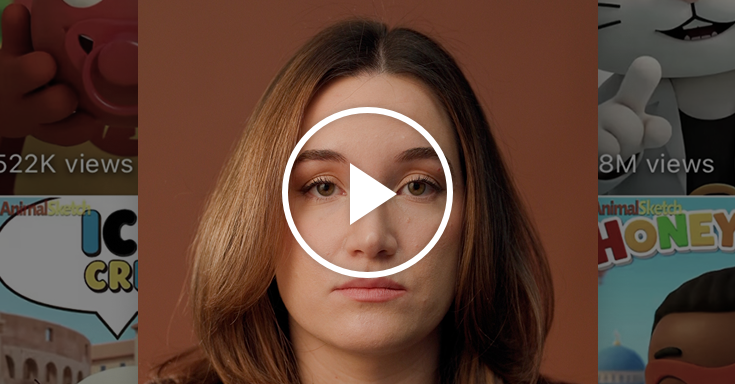
The AI Video Invasion: How YouTube’s Algorithm is Bombarding Kids with Bizarre Content
In a startling revelation that has parents and child development experts deeply concerned, YouTube’s algorithm is systematically pushing bizarre, often nonsensical AI-generated videos directly into children’s feeds. This disturbing trend represents a fundamental shift in how young minds consume content online, with potentially far-reaching consequences for cognitive development.
The phenomenon, uncovered through extensive investigation by The New York Times, reveals a hidden ecosystem of algorithmically generated content designed to exploit YouTube’s recommendation system. These videos, created using artificial intelligence tools, feature surreal combinations of characters, nonsensical storylines, and repetitive patterns that appear specifically engineered to capture and retain children’s attention.
What makes this particularly troubling is the sheer volume and accessibility of this content. Unlike traditional children’s programming that undergoes rigorous development and review processes, these AI-generated videos can be produced at scale with minimal human oversight. The result is a flood of content that ranges from mildly confusing to genuinely disturbing, all being served to impressionable young viewers.
Child development specialists warn that this type of content could have profound effects on how children process information and develop critical thinking skills. Dr. Elena Rodriguez, a pediatric neuroscientist at Stanford University, explains: “When children are repeatedly exposed to content that lacks coherent narrative structure or logical progression, it can interfere with their ability to understand cause and effect, sequence events, and develop proper language skills.”
The videos often feature popular children’s characters placed in bizarre scenarios, mashed together with unrelated elements that make no logical sense. One video might show Elsa from Frozen driving a school bus full of talking fruits through outer space, while another could feature Spider-Man teaching math to a classroom of dancing vegetables. These combinations, while seemingly harmless, create a fragmented viewing experience that experts say could impact attention spans and comprehension abilities.
YouTube’s recommendation algorithm appears to be the primary driver of this content’s distribution. The system, designed to maximize watch time and engagement, seems to favor these AI-generated videos because they often feature bright colors, familiar characters, and repetitive elements that keep children watching. Parents report that once their children start watching one of these videos, the algorithm quickly serves up dozens more in succession.
The economic incentives behind this trend are equally concerning. Content creators can generate hundreds of these videos quickly and cheaply using AI tools, flooding the platform with material that can generate ad revenue. Some channels are producing thousands of videos monthly, creating an overwhelming amount of content that makes it difficult for parents to monitor what their children are watching.
Perhaps most alarming is how difficult these videos can be to identify. Unlike obvious spam or inappropriate content, many of these AI-generated videos appear legitimate at first glance. They often feature high-quality animation, popular music, and familiar characters that give them an air of authenticity. However, closer examination reveals the telltale signs of algorithmic generation: repetitive patterns, nonsensical dialogue, and bizarre combinations of elements that no human creator would logically combine.
Parents who have discovered this content in their children’s viewing history report a range of concerning behaviors. Some children become fixated on watching these videos for hours, while others exhibit signs of confusion or distress when trying to explain what they’ve seen. Many parents describe feeling overwhelmed and unsure how to protect their children from this type of content.
The psychological impact extends beyond just confusion. Child psychologists note that repeated exposure to this type of fragmented, nonsensical content could affect children’s ability to distinguish between reality and fantasy, understand narrative structure, and develop proper social and emotional responses. The constant barrage of bizarre scenarios and impossible situations may also contribute to anxiety and difficulty processing real-world information.
Educational experts are particularly concerned about the impact on learning. Traditional educational content follows carefully designed pedagogical principles, introducing concepts in logical sequences and building upon previous knowledge. In contrast, these AI-generated videos often present information in random, disconnected ways that could interfere with proper learning and development.
The situation is further complicated by the fact that many of these videos are being monetized through YouTube’s advertising system. This creates a perverse incentive structure where the most addictive, attention-grabbing content—regardless of its educational or developmental value—is rewarded with the most views and revenue. Children become unwitting participants in a system designed to maximize engagement at the expense of their cognitive development.
Tech industry insiders suggest that this phenomenon represents a larger issue with how recommendation algorithms operate. These systems, designed to optimize for engagement metrics, can create feedback loops that promote increasingly extreme or unusual content. In the case of children’s content, this means pushing the boundaries of what’s appropriate and comprehensible in pursuit of more views and longer watch times.
The response from YouTube has been mixed. While the company has policies against inappropriate content and harmful material, the sheer volume of AI-generated videos makes enforcement challenging. The platform’s automated systems, ironically, often cannot distinguish between beneficial children’s content and potentially harmful AI-generated material.
As this issue gains more attention, several solutions are being proposed. Some advocate for stricter content moderation policies and better detection systems for AI-generated material. Others suggest that parents need better tools and education to identify and block this type of content. There are also calls for regulatory intervention to ensure that children’s content meets certain quality and developmental standards.
For parents concerned about this issue, experts recommend several strategies. First, actively monitor children’s viewing history and be alert for signs of AI-generated content, such as repetitive patterns, nonsensical storylines, or bizarre character combinations. Second, use parental controls and content filtering tools to limit exposure to potentially harmful material. Third, engage with children about what they’re watching and encourage critical thinking about the content they consume.
The rise of AI-generated children’s content represents a significant challenge for parents, educators, and society as a whole. As artificial intelligence becomes more sophisticated and accessible, the ability to create and distribute content at scale will only increase. This makes it crucial that we develop better systems for protecting children from potentially harmful content while still allowing them to benefit from the educational and entertainment value that digital media can provide.
The situation also raises important questions about the responsibility of tech platforms in protecting young users. As algorithms become more powerful and content creation becomes more automated, the line between beneficial and harmful content becomes increasingly blurred. This requires a thoughtful, multi-faceted approach that involves platform responsibility, parental vigilance, and regulatory oversight.
As we move forward into an increasingly digital future, the challenge will be to harness the benefits of technology while protecting the most vulnerable users from its potential harms. The AI video invasion on children’s YouTube feeds is just one example of how technology can be used in ways that may not serve the best interests of young people. It’s a wake-up call for parents, educators, and policymakers to pay closer attention to how children interact with digital media and to take proactive steps to ensure their online experiences are safe, educational, and developmentally appropriate.
This issue is likely to become even more pressing as AI technology continues to advance and become more accessible. The ability to generate realistic video content quickly and cheaply means that the volume of AI-generated material will likely increase exponentially in the coming years. This makes it all the more important that we address these concerns now, before the problem becomes even more difficult to manage.
The AI video invasion represents a critical moment in the evolution of children’s media consumption. It challenges us to think carefully about how we want young people to interact with technology and what safeguards we need to put in place to protect their development. As parents, educators, and concerned citizens, we must remain vigilant and proactive in ensuring that the digital world remains a safe and beneficial space for children to learn and grow.
Tags & Viral Phrases:
AI-generated children’s content
YouTube algorithm manipulation
kids’ cognitive development
digital parenting challenges
algorithm-driven content
AI content creation
children’s media safety
YouTube recommendation system
digital childhood concerns
AI video content
online child protection
algorithm exploitation
kids’ screen time
digital wellness
AI content moderation
YouTube kids safety
algorithm accountability
children’s online safety
AI content detection
digital parenting tips
algorithm transparency
kids’ content regulation
AI-generated videos
YouTube content moderation
digital childhood development
algorithm ethics
kids’ online protection
AI content creation tools
YouTube algorithm issues
digital parenting solutions
,


Leave a Reply
Want to join the discussion?Feel free to contribute!