
The Best Date-Night Boxes of 2026, Tested With My Hinge Dates
Tech-Infused Romance: When Dating Apps Meet Interactive Card Games
In an era where technology increasingly mediates human connection, a new hybrid experience is emerging at the intersection of dating culture and interactive gaming. The latest innovation in relationship enhancement combines the tactile satisfaction of scratch-off cards with algorithmically designed intimacy prompts, creating what could be described as a “choose-your-own-adventure” for modern romance.
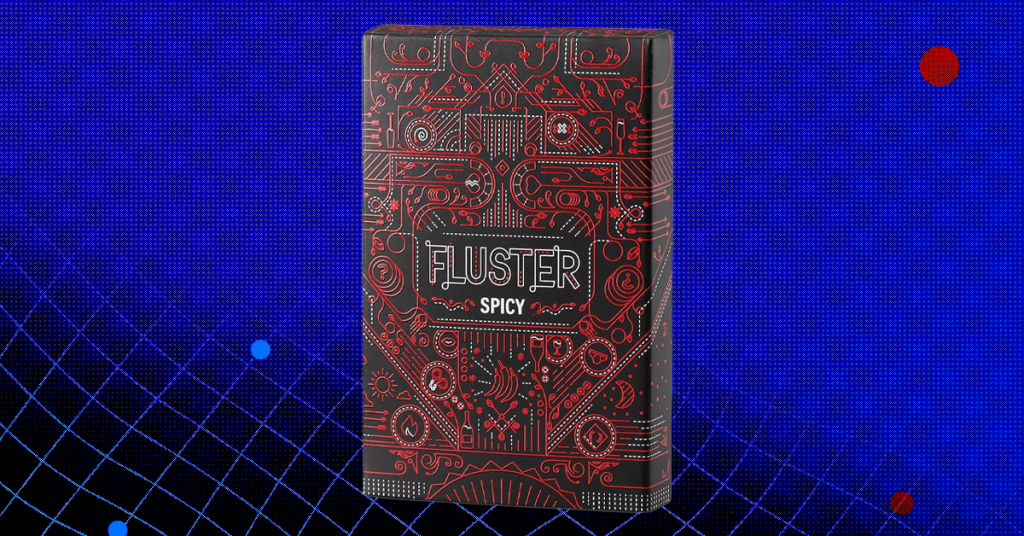
The product in question represents a fascinating evolution in the relationship-tech space, building upon the success of its predecessor, the Five Senses deck. This new iteration introduces a sequential gameplay structure that transforms date night from a passive dinner-and-a-movie affair into an orchestrated journey of discovery. What sets this experience apart is its dual-layered design: each partner receives separate cards containing secret instructions, creating an element of surprise and anticipation that technology alone rarely achieves.
The mechanics are deceptively simple yet psychologically sophisticated. Participants are instructed to bring a red item—a visual signal that operates much like a notification badge in a messaging app, indicating readiness for interaction. This physical token system mirrors the way digital platforms use visual cues to prompt engagement, but translates it into the analog realm. The red item serves as a permission slip, a non-verbal communication tool that bypasses the awkwardness of initiating physical contact in public spaces.
The date unfolds across multiple environments, beginning in a restaurant setting where conversation prompts encourage what technologists might call “meaningful data exchange.” The prompts range from surface-level icebreakers to deeper questions designed to mine emotional metadata. Each time a partner reveals their red item, the other follows instructions to escalate physical intimacy—hand holding progressing to arm touching, then to neck kisses—creating a real-world version of a leveling system familiar to gamers.
This gamification of intimacy raises interesting questions about the role of technology in human relationships. Is this product addressing a genuine need in an era of digital distraction, where couples struggle to maintain meaningful connection? Or is it compensating for skills that previous generations developed organically through trial and error? The answer likely lies somewhere between these extremes.
The experience reveals fascinating insights about modern dating dynamics. One participant noted that many prompts emphasized restraint—specifically instructing partners not to interrupt or immediately problem-solve, but rather to ask questions and engage in “dirty talk.” This observation suggests that the product may be designed for couples experiencing communication breakdown, those who have forgotten how to simply be present with each other without the mediation of screens.
The urban adaptation of the experience—substituting a Brooklyn sidewalk walk for the intended suburban car ride—demonstrates the product’s flexibility and the participants’ creativity. Rather than following instructions literally, they improvised, transforming a trash-filled city street into a stage for relationship roleplay. This kind of adaptive behavior mirrors how users often repurpose technology beyond its intended design, finding new applications that better suit their context.
The final phase of the experience involves shopping for sensual items—whipped cream, blindfolds—introducing a consumer technology element where participants must select and acquire physical tools to complete the experience. This shopping component adds another layer of engagement, transforming participants from passive consumers into active curators of their own pleasure.
The vegan participant’s adaptation—opting for clothing removal instead of cream-based activities—highlights how personal values and preferences must be integrated into any technology-mediated experience. Just as users customize software settings to suit their needs, participants modified the experience to align with their ethical framework and comfort levels.
The overall assessment of the experience as “strange” yet potentially valuable for couples needing structured prompts to connect suggests that this product occupies a unique niche. It’s neither purely technological nor entirely traditional—it’s a hybrid that uses game mechanics to address what might be termed “relationship latency,” the delay or failure in emotional connection that can occur even in committed partnerships.
The informal nature of the date—meeting in a bar at 2 AM rather than through a dating app—adds another layer of complexity to the analysis. This traditional approach to meeting partners contrasts sharply with the high-tech nature of the date experience itself, suggesting that even those who reject algorithmic matchmaking may still embrace technological aids for relationship enhancement.
The numerical ratings—10/10 for the date itself, 6/10 for the box—reveal an interesting disconnect between human chemistry and technological facilitation. The high personal rating suggests that genuine connection transcends the tools used to foster it, while the lower product rating indicates that the technology, while functional, may not be essential for those who already possess strong interpersonal skills.
This product represents a broader trend in relationship technology: the attempt to use structured experiences, game mechanics, and guided interactions to enhance human connection in an age of digital distraction. Whether it succeeds as a long-term solution or remains a novelty item depends largely on the users’ willingness to embrace its premise and their existing relationship dynamics.
The emergence of such products raises profound questions about modern intimacy: Are we outsourcing emotional labor to technology? Is structured spontaneity an oxymoron? Can algorithmic prompts truly enhance organic connection? As technology continues to permeate every aspect of human experience, these questions become increasingly relevant to how we understand and cultivate meaningful relationships in the digital age.
date night adventure, relationship gamification, scratch-off intimacy cards, modern dating technology, interactive relationship experiences, tech-enhanced romance, intimacy prompts, relationship communication tools, couple’s game night, physical connection exercises, structured spontaneity, digital age dating, relationship enhancement technology, guided intimacy experiences, modern relationship dynamics, tech-mediated connection, relationship skill-building, interactive date ideas, couple’s bonding activities, intimacy gamification
,


Leave a Reply
Want to join the discussion?Feel free to contribute!