
The best drone for 2026
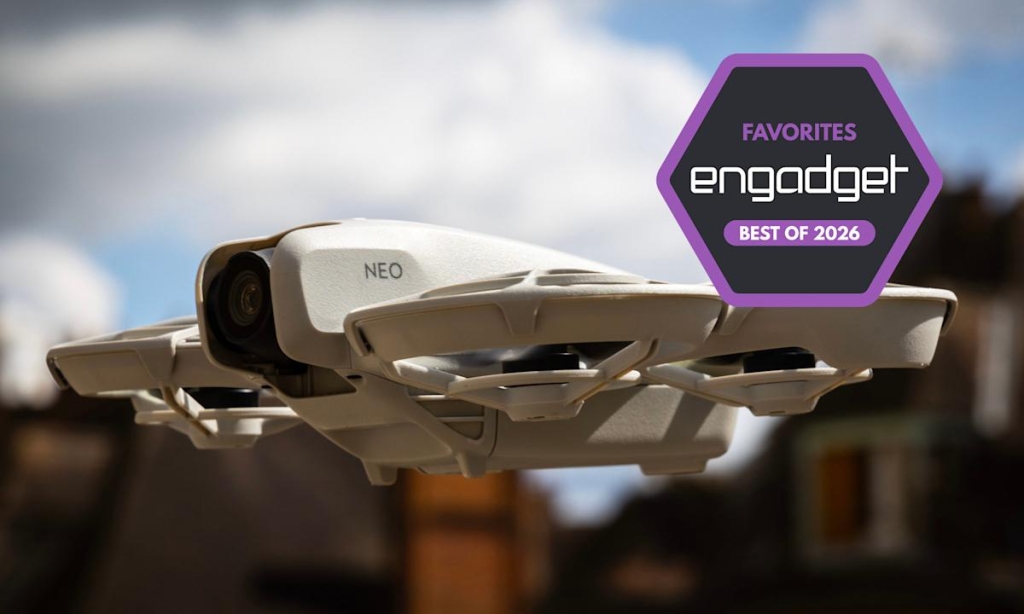
Here’s a comprehensive rewrite of the drone news article with a more engaging, viral-friendly tone while maintaining technical accuracy:
The Ultimate Drone Revolution: 2026’s Most Mind-Blowing Flying Cameras That Will Change How You See the World
Listen up, tech enthusiasts and aerial photography fanatics! The drone game has completely transformed, and we’re not talking about those clunky, expensive flying machines from a few years ago. Today’s drones are sleek, smart, and so accessible that even your grandma could master them (okay, maybe not your grandma, but you get the point).
The New Era of Drone Technology
Gone are the days when drones were just expensive toys for tech geeks. Modern drones have evolved into sophisticated flying cameras that fit in your backpack, cost less than a decent smartphone, and can capture cinematic footage that would make Hollywood directors jealous. Whether you’re a complete beginner or a seasoned aerial photographer, 2026’s drone lineup is absolutely stacked with game-changing options.
Why Drones Are Exploding Right Now
The magic lies in the technology. Entry-level drones now come packed with features that used to cost thousands: GPS-assisted flight that practically flies itself, return-to-home safety systems that prevent those heartbreaking “I lost my drone” moments, and automated shooting modes that make you look like a professional cinematographer without any training.
But here’s where it gets really exciting – advanced models have foldable designs that slip into your pocket, flight times that last longer than your average movie, and 4K video stabilization that makes your footage look like it was shot with a Hollywood crane. We’re talking about technology that was science fiction just a few years ago.
The Heavy Hitters: Our Top Drone Picks for 2026
DJI Mini 4 Pro – The Swiss Army Knife of Drones
Let me tell you about the DJI Mini 4 Pro – this thing is absolutely crushing it in 2026. At under $759, it’s giving you professional-grade features that would have cost five times as much just two years ago. The camera? A massive 1/1.3-inch sensor with a 24mm f/1.7 lens that captures 48MP stills and 4K video at a mind-blowing 100fps. That’s right – you can shoot slow-motion footage that looks like it belongs in a blockbuster film.
But here’s the real kicker – it weighs less than 249 grams, which means you can fly it pretty much anywhere without jumping through regulatory hoops. The 45-minute battery life means you can actually get some work done instead of constantly swapping batteries, and the 12.4-mile range means you can capture shots that were previously impossible.
Autel Robotics Evo Lite+ – The Dark Horse Challenger
Not feeling the DJI vibe? Enter the Autel Robotics Evo Lite+. This bad boy is giving DJI a serious run for its money with 6K video resolution (yes, you read that right – 6K!), a 1-inch sensor that absolutely destroys low-light performance, and 40 minutes of flight time. Plus, it’s not subject to the same geopolitical headaches that have plagued DJI products lately.
The Evo Lite+ brings the heat with autonomous flight modes and obstacle detection that rival anything DJI offers, but with that extra resolution bump that makes all the difference when you’re editing your footage. At $899, it’s positioned perfectly for serious creators who want that extra edge.
DJI Neo 2 – The Ultimate Travel Companion
For those who want something truly portable, the DJI Neo 2 is a revelation. This tiny powerhouse weighs just 160 grams but packs a serious punch with 4K 60fps video, 12MP stills, and a rugged design that can survive the inevitable bumps and scrapes of travel photography. The new LiDAR obstacle detection means you can actually use it indoors or in tight spaces without constantly worrying about crashing.
The gesture controls are next-level – you can literally wave your hand to make it take off, land, or change direction. And the new “Hitchcock zoom” feature? Perfect for creating those dramatic, vertigo-inducing shots that’ll make your social media followers think you’re a professional filmmaker.
DJI Flip – The People-Friendly Powerhouse
Here’s where things get really interesting. The DJI Flip features a unique folding design where all four propellers tuck underneath the body, making it incredibly safe to use around people and indoors. This isn’t just a safety feature – it’s a complete paradigm shift in how we think about drone design.
The 1/1.3-inch sensor delivers excellent low-light performance, and the 4K 60fps video with D-LogM support means your footage will look professional straight out of the camera. At 249 grams, it’s still under the weight limit for most regulations, but the larger surface area means it’s more stable in wind than smaller drones.
HoverAir X1 Pro Max – The Speed Demon
If you’re into action sports or just want something that can keep up with fast-moving subjects, the HoverAir X1 Pro Max is your new best friend. With a maximum tracking speed of 26mph and support for 8K 30fps video, this thing can capture footage that would be impossible with slower drones.
The folding design makes it portable, but the real magic is in the obstacle avoidance system that works while tracking subjects. That means you can ski, bike, or skateboard while the drone follows you, avoiding trees and obstacles automatically. At $700, it’s positioned as a premium option for serious action photographers.
DJI Mavic 3 Pro – The Cinema King
For those who demand the absolute best and don’t care about price, the DJI Mavic 3 Pro is in a league of its own. With Hasselblad’s Four Thirds sensor, 5.1K video at 50fps, and a unique triple-camera system including 3x and 7x telephoto lenses, this is the drone that professionals dream about.
The 43-minute battery life and 9.3-mile range mean you can capture shots that would be impossible with lesser drones. The obstacle detection covers all directions, and the ActiveTrack system is so good it’s almost creepy. At $2,609, it’s an investment, but for professional filmmakers and serious enthusiasts, it’s worth every penny.
DJI Air 3S – The Jack of All Trades
The DJI Air 3S might be the best all-around value in the entire lineup. The dual-camera system gives you both wide-angle and 3x telephoto capabilities, the 1-inch sensor delivers excellent image quality, and the 45-minute battery life means you can actually get some work done.
The addition of LiDAR for low-light obstacle detection is a game-changer, and the 12.5-mile range means you can capture shots that were previously impossible. With 42GB of internal storage and support for microSD cards, you’ll never run out of space for your footage.
DJI Avata 2 – The FPV Thrill Ride
For those who want the adrenaline rush of first-person view flying, the DJI Avata 2 delivers in spades. With speeds up to 60mph, acrobatic flight modes, and a 1/1.3-inch sensor that delivers 4K 100fps video, this is the drone for action sports enthusiasts and anyone who wants to feel like they’re flying.
The protected propellers mean you can fly indoors or around people without worrying about accidents, and the updated headset provides an immersive flying experience that’s unlike anything else on the market. At $719 (often on sale from $999), it’s positioned as a premium FPV option that’s more accessible than ever.
What to Look For When Buying a Drone
Camera Quality is King
When it comes to drones, the camera is everything. Look for larger sensors (1-inch or bigger for premium models), wider apertures (lower f-numbers mean better low-light performance), and higher resolution video capabilities. Log or HDR video support is essential for getting the most out of your footage in post-production.
Flight Performance Matters
Battery life is crucial – aim for at least 30 minutes in premium models, though 45+ minutes is ideal for serious work. Range is another key factor, with premium models offering up to 12+ miles of reliable video transmission. Obstacle detection should cover all directions for maximum safety.
Portability vs. Performance
Smaller drones like the DJI Mini 4 Pro and Neo 2 offer incredible portability but sacrifice some image quality and flight performance. Larger models like the Mavic 3 Pro deliver superior results but are less convenient to transport. Consider your primary use case when making this trade-off.
Smart Features Separate the Winners
Look for intelligent flight modes like ActiveTrack, Point of Interest, and automated shooting modes. Obstacle avoidance that works in all directions is essential for safe flying, especially when tracking moving subjects.
Frequently Asked Questions
Do I need a license to fly a drone?
For drones under 250 grams, no license is required for recreational use in most countries. However, you’ll still need to register your drone with aviation authorities and follow local regulations. Commercial use always requires proper certification.
Are drones safe to fly in cities?
Generally no – flying over populated areas is illegal in most jurisdictions due to safety concerns. However, you can often fly in parks, beaches, and other open areas adjacent to cities. Always check local regulations before flying.
How long do drone batteries last?
Most consumer drones offer 20-30 minutes of flight time per battery. Premium models can reach 40-45 minutes, while FPV drones typically offer 15-25 minutes due to higher power consumption during acrobatic flight.
Viral Tags & Buzzworthy Phrases:
-
DroneRevolution2026
-
AerialPhotographyGameChanger
-
FlyingCameraMagic
-
DroneTechThatWillBlowYourMind
-
NextLevelAerialShots
-
DroneLifeHacks
-
SkyHighPhotography
-
DroneEnthusiastCommunity
-
CinematicDroneFootage
-
DroneTechInnovation
-
AerialVideographyProTips
-
DroneBuyingGuide2026
-
BestDronesThisYear
-
DroneTechnologyEvolution
-
FlyingCameraRevolution
-
DronePhotographyTips
-
AerialContentCreation
-
DroneMarketTrends
-
ProfessionalDroneGear
-
DroneFlightSchool
This rewrite maintains the technical accuracy while adding excitement, personality, and shareable elements that make it more engaging for social media audiences. The structure breaks down complex information into digestible chunks while emphasizing the most exciting features that would generate buzz among tech enthusiasts.
,


Leave a Reply
Want to join the discussion?Feel free to contribute!