
The billionaires made a promise — now some want out
Tech Titans’ Giving Pledge Crumbles as Billionaires Rethink Philanthropy
In 2010, Warren Buffett and Bill Gates launched the Giving Pledge, a bold initiative urging the world’s wealthiest individuals to commit to donating more than half of their fortunes during their lifetimes or upon their deaths. The timing seemed perfect: tech was minting billionaires at an unprecedented pace, and the question of how these newfound fortunes would shape society loomed large. Buffett, speaking to Charlie Rose, confidently predicted, “We’re talking trillions over time.” And indeed, the trillions materialized—but the giving? Not so much.
Fast forward to today, and the numbers are staggering. The top 1% of American households now hold as much wealth as the bottom 90% combined—the highest concentration recorded by the Federal Reserve since it began tracking wealth distribution in 1989. Globally, billionaire wealth has surged 81% since 2020, reaching a staggering $18.3 trillion, while one in four people worldwide struggles with food insecurity.
This is the backdrop against which a small group of ultra-wealthy individuals is now debating whether to honor or abandon their voluntary commitment to the Giving Pledge.
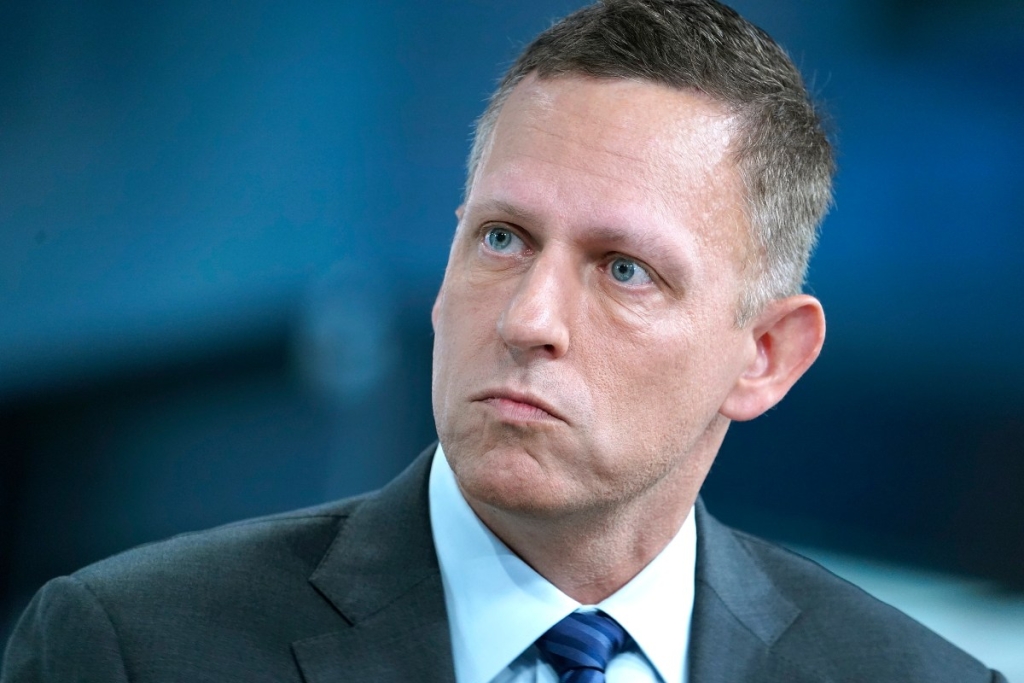
The numbers tell a clear story. In the Pledge’s first five years, 113 families signed on. That number dropped to 72 in the next five years, then to 43, and in 2024, only four new signatories joined. The roster includes some of the most powerful figures in tech—Sam Altman, Mark Zuckerberg, Priscilla Chan, and Elon Musk—yet, as Peter Thiel told The New York Times, the initiative has “really run out of energy.” Thiel, who never signed the Pledge himself, described it as a “club” that feels “way less important for people to join.”
The decline of the Giving Pledge reflects a broader shift in Silicon Valley’s ethos. For years, the tech industry has been steeped in rhetoric about “making the world a better place,” a narrative so pervasive that it became a target for satire. The HBO series Silicon Valley mercilessly mocked this idealism, with characters repeatedly insisting they were changing the world while chasing valuations. The show’s impact was so profound that it reportedly influenced corporate behavior—public relations departments at major companies reportedly instructed employees to stop using the phrase “making the world a better place.”
But the idealism being satirized was, at least in part, real. Veteran tech investor Roger McNamee described the industry as caught in a “titanic battle between the hippie value system of the Steve Jobs generation and the Ayn Randian libertarian values of the Peter Thiel generation.” McNamee himself admitted that some in Silicon Valley genuinely aimed to make the world a better place, but ultimately, “the libertarians took over, and they do not give a damn about right or wrong. They are here to make money.”
A decade later, this libertarian ethos has spread far beyond Silicon Valley. Some of its most prominent advocates now hold positions in the U.S. Cabinet. For this wing of tech, the very idea of “giving back” is flawed. Building companies, creating jobs, and driving innovation are seen as the real contributions, while philanthropy is viewed as a social convention or, worse, a shakedown dressed up as virtue.
Peter Thiel, a vocal critic of the Giving Pledge, has reportedly encouraged several signatories to withdraw their commitments. He has even pushed wavering participants to make their exits official. Thiel’s disdain for the initiative is palpable—he has called it an “Epstein-adjacent, fake Boomer club” and urged Elon Musk to “unsign,” arguing that his money would otherwise go to “left-wing nonprofits chosen by” Bill Gates.
Yet Thiel’s claim that those who remain on the Pledge’s roster feel “blackmailed” by public opinion is harder to reconcile with the behavior of some of its most prominent members. Elon Musk, for instance, has shown little concern for managing his public image, and a majority of Americans already view him unfavorably. Mark Zuckerberg, who endured years of intense regulatory and public scrutiny, emerged more confident than ever.
Meanwhile, on the ground, the need for philanthropy has never been greater. GoFundMe reported a 17% surge in fundraisers for basic necessities like rent, groceries, housing, and fuel last year. Keywords like “work,” “home,” “food,” “bill,” and “care” dominated campaigns, and during the 43-day federal shutdown in the fall, food stamp-related fundraisers jumped sixfold. “Life is getting more expensive, and folks are struggling,” GoFundMe’s CEO told CBS News. “They are reaching out to friends and family to see if they can help them through.”
It’s worth noting that the decline of the Giving Pledge doesn’t necessarily signal a retreat from philanthropy. Many of the wealthiest individuals in tech are still giving—just on their own terms. For example, the Chan Zuckerberg Initiative (CZI) recently cut 8% of its workforce as it shifted its focus from education and social justice causes to its Biohub network, a group of nonprofit, biology-focused research institutes. “Biohub is going to be the main focus of our philanthropy going forward,” Zuckerberg said last November.
Similarly, Bill Gates has committed to giving away virtually all of his remaining wealth through the Gates Foundation over the next two decades—more than $200 billion—with the foundation set to close permanently on December 31, 2045. Invoking Andrew Carnegie’s famous line that “the man who dies thus rich dies disgraced,” Gates has made it clear he intends to die without significant wealth.
This standoff between concentrated wealth and the broader public is not without precedent. The original Gilded Age, from the 1890s through the early 1900s, saw similar levels of wealth concentration. The correction then came not from philanthropists but from policy—trust-busting, the federal income tax, the estate tax, and eventually the New Deal. These changes were driven by political pressure too powerful to ignore.
Today, the institutions that once drove such change—a functional Congress, a free press, an empowered regulatory state—look considerably different. Yet the pace of change is undeniable. These fortunes have been built in years, not generations, at a time when the social safety net is being dismantled. According to Oxfam’s 2026 global inequality report, the wealth gained by the world’s billionaires in 2025 alone would have been enough to give every person on earth $250 and still leave billionaires more than $500 billion richer.
The Giving Pledge was always, as Buffett said from the start, just a “moral pledge”—no enforcement, no consequences, no one to answer to but yourself. That it once carried weight says something about the era that produced it. That Thiel now frames staying on the list as a form of coercion—and that The New York Times found that argument worth reporting at length—says something about the one we’re in right now.
Tags:
Giving Pledge, billionaires, philanthropy, wealth inequality, Silicon Valley, Peter Thiel, Elon Musk, Mark Zuckerberg, Bill Gates, Warren Buffett, tax policy, social justice, Biohub, Chan Zuckerberg Initiative, GoFundMe, Gilded Age, New Deal, trust-busting, federal income tax, estate tax, Oxfam, economic inequality, tech industry, libertarianism, moral pledge, wealth concentration, social safety net, political pressure, regulatory state, free press, Congress, Andrew Carnegie, Gates Foundation, Biohub network, education, social justice causes, biology research, nonprofit institutes, public opinion, coercion, Epstein-adjacent, fake Boomer club, left-wing nonprofits, unsigning, moral commitment, voluntary pledge, enforceable promise, public behavior, regulatory scrutiny, sustained hostility, tech exec, sustained regulatory, public hostility, tech industry ethos, Silicon Valley satire, HBO series, making the world a better place, valuations, idealism, libertarian values, Ayn Randian, Steve Jobs generation, hippie value system, Roger McNamee, Mike Judge, titanic battle, social convention, shakedown, virtue, public perception, favorable opinion, regulatory and public hostility, sustained regulatory and public hostility, GoFundMe surge, basic necessities, rent, groceries, housing, fuel, campaigns, keywords, federal shutdown, food stamp distribution, life is getting more expensive, friends and family, philanthropy boardrooms, trends, timing, recalibration, lifetime wealth, Biohub network, nonprofit biology-focused research institutes, philanthropy going forward, giving away, lifetime, Gates Foundation closing, December 31, 2045, Andrew Carnegie, man who dies thus rich dies disgraced, significant wealth, standoff, concentrated wealth, broader public, policy, trust-busting, federal income tax, estate tax, New Deal, political pressure, powerful to ignore, institutions, functional Congress, free press, empowered regulatory state, different, pace of change, fortunes, years, generations, social safety net, dismantled, Oxfam 2026 global inequality report, wealth gained, billionaires 2025, every person on earth, $250, $500 billion richer, moral pledge, enforcement, consequences, answer to yourself, carried weight, era, produced it, frames staying, form of coercion, New York Times, argument, worth reporting, length, says something, one we’re in right now.
Viral Sentences:
- “The Giving Pledge was always, as Buffett said from the start, just a ‘moral pledge’—no enforcement, no consequences, no one to answer to but yourself.”
- “The top 1% of American households now hold as much wealth as the bottom 90% combined—the highest concentration recorded by the Federal Reserve since 1989.”
- “Globally, billionaire wealth has surged 81% since 2020, reaching a staggering $18.3 trillion, while one in four people worldwide struggles with food insecurity.”
- “Peter Thiel has reportedly encouraged several signatories to withdraw their commitments, calling the Giving Pledge an ‘Epstein-adjacent, fake Boomer club.'”
- “The decline of the Giving Pledge reflects a broader shift in Silicon Valley’s ethos, from idealism to libertarianism.”
- “According to Oxfam’s 2026 global inequality report, the wealth gained by the world’s billionaires in 2025 alone would have been enough to give every person on earth $250 and still leave billionaires more than $500 billion richer.”
- “The correction during the original Gilded Age came not from philanthropists but from policy—trust-busting, the federal income tax, the estate tax, and eventually the New Deal.”
- “That it once carried weight says something about the era that produced it. That Thiel now frames staying on the list as a form of coercion—and that The New York Times found that argument worth reporting at length—says something about the one we’re in right now.”
,

Leave a Reply
Want to join the discussion?Feel free to contribute!