
The Blood of Centenarians Reveals 37 Proteins Linked With Slower Aging : ScienceAlert
Here is a rewritten version of the technology news article with a more detailed and viral tone, along with a list of viral tags and phrases at the end:
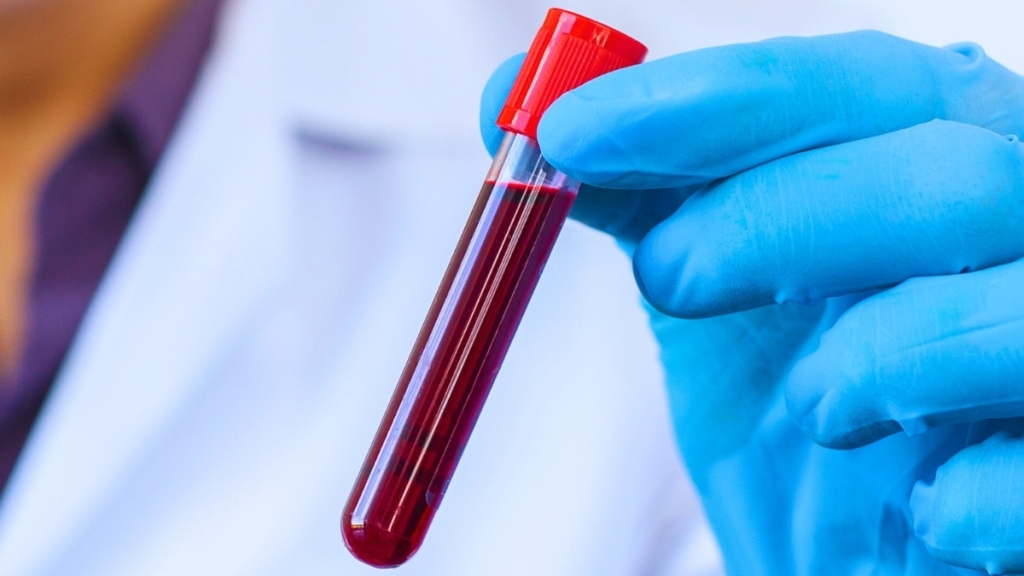
Swiss researchers have made a groundbreaking discovery in the quest to unlock the secrets of longevity. In a new study, scientists analyzed blood samples from healthy young adults, hospitalized octogenarians, and centenarians to identify proteins linked to slower aging.
The team measured over 700 proteins and found 37 that formed a profile more similar to the youngest group than to octogenarians. This suggests that centenarians don’t entirely escape aging, but certain key mechanisms are significantly slowed down.
Many of the proteins in this profile modulate immunity and metabolism. Some are vital for recycling red blood cells and disposing of dysfunctional proteins associated with neurodegenerative diseases like Alzheimer’s. Others trigger apoptosis, a programmed cell death that suppresses tumor formation.
Interestingly, the study’s clearest results involved five proteins associated with oxidative stress. While it may seem counterintuitive, centenarians in this study produced fewer antioxidant proteins than the standard geriatric population, likely reflecting lower levels of oxidative stress.
The researchers also found that centenarians preserve a protein responsible for degrading GLP-1, the hormone that triggers insulin release and forms the basis of semaglutide medications. This suggests that centenarians maintain good glucose balance without needing to produce large amounts of insulin.
Overall, these findings support the “inflammaging” theory, which proposes that aging dysregulates the immune system, leading to a persistent state of inflammation. The study highlights the importance of lifestyle factors in promoting healthy aging, such as nutrition, physical activity, and social connections.
While genetic predispositions and individual variability may challenge our anti-aging endeavors, the secret to longevity may be as simple as self-care. So eat some fruit to reduce free radicals in the blood, exercise to invigorate your extracellular matrix, and keep your brain fit by socializing.
This research, published in the journal Aging Cell, brings us one step closer to cracking the code of longevity and could pave the way for new interventions to promote healthy aging.
Tags and viral phrases:
– Longevity breakthrough
– Centenarian secrets revealed
– Anti-aging proteins identified
– Healthy aging lifestyle tips
– Oxidative stress and aging
– GLP-1 and longevity
– Inflammaging theory supported
– Self-care for longevity
– Swiss study on aging
– Aging Cell journal publication,


Leave a Reply
Want to join the discussion?Feel free to contribute!