
The Breaking Bad Effect, The Oldest Butthole, And More! : ScienceAlert
This Week in Science: Breaking Bad, Ancient Buttholes, and a Boozy Brain Breakdown
It’s been a wild week in the world of science, with discoveries that range from the oddly specific to the downright bizarre. From ancient reptiles with the oldest known buttholes to Greenland’s ice sheet behaving like molten rock, here’s a roundup of the most fascinating stories that have captured our attention.
Will Exercise Help Your Osteoarthritis? A New Review Has Surprising Findings
If you’ve been hitting the gym in hopes of easing your osteoarthritis pain, you might want to sit down for this one. A new analysis has found that exercise may not be as effective as we once thought for improving function in people with osteoarthritis. In fact, researchers concluded that a total joint replacement is more effective at reducing pain and improving mobility than exercise alone.
The study, which focused on knee and hip osteoarthritis, challenges the long-held belief that staying active is the best way to manage the condition. While exercise is still beneficial for overall health, it seems it might not be the silver bullet for osteoarthritis after all.
‘Freak of Nature’: Scientists Think Greenland’s Ice Is Churning Like Molten Rock
Greenland’s ice sheet just got a whole lot more interesting. A new analysis of radar images has revealed plume-like structures in the ice that behave similarly to molten rock beneath Earth’s crust. This phenomenon, known as thermal convection, is typically associated with the planet’s mantle, not its icy surfaces.
“Finding that thermal convection can happen within an ice sheet goes slightly against our intuition and expectations,” says glaciologist Robert Law of the University of Bergen in Norway. “It’s like an exciting freak of nature.” This discovery could have significant implications for our understanding of ice dynamics and climate change.
The ‘Breaking Bad’ Effect From Cancer Is Real, Study Finds
If you’ve ever watched Breaking Bad, you know how a cancer diagnosis can push someone to the edge. Now, a new study has found evidence of the so-called “Breaking Bad effect” in real life. After a cancer diagnosis, people are much more likely to be convicted of a crime—though most don’t go full Walter White.
The study found that the majority of these convictions are for minor offenses like shoplifting or drug possession, rather than high-stakes criminal enterprises. Still, it’s a fascinating insight into how a life-altering diagnosis can impact behavior.
Oldest Fossilized Butthole Found in 290-Million-Year-Old Reptile
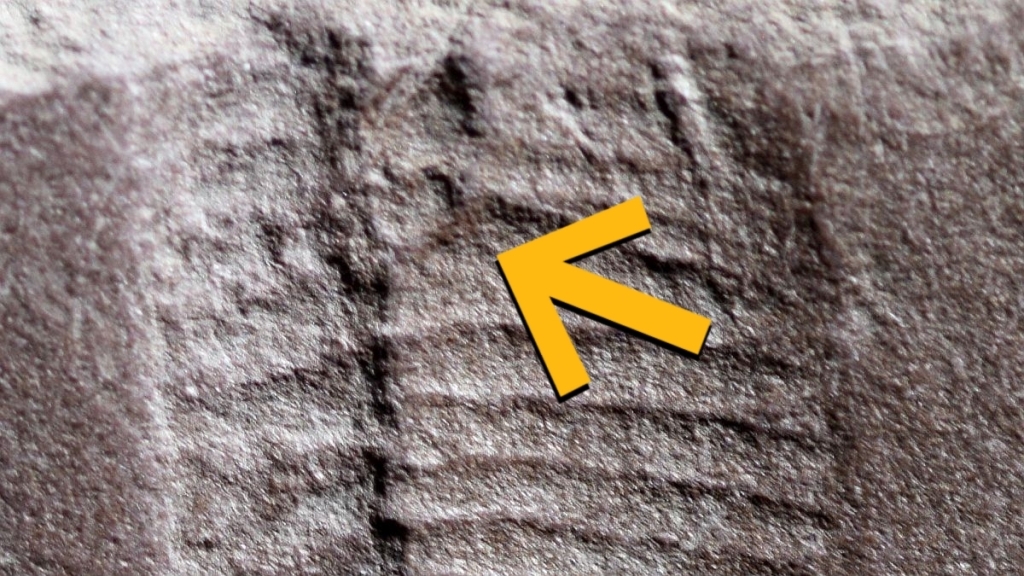
Prepare to be amazed (and maybe a little grossed out). A 290-million-year-old fossil may represent the oldest known butthole in the animal kingdom. The skin impression left by an ancient reptile contains a cloaca imprint, a multi-purpose opening used for excretion, reproduction, and urination.
“Such soft-tissue structures are extremely rare in the fossil record—and the further back we look in Earth’s history, the more exceptional they become,” says paleontologist Lorenzo Marchetti of the German Natural History Museum in Berlin. This discovery sheds light on the evolutionary history of these ancient creatures.
Lithium Plume in Our Atmosphere Traced Back to Returning SpaceX Rocket
Space exploration comes with a cost, and it’s not just financial. A lithium plume detected in Earth’s atmosphere has been traced back to an old Falcon 9 rocket stage re-entering the atmosphere. This is the first time a pollutant plume from a specific space junk re-entry event has been monitored from the ground.
The discovery highlights the environmental impact of space debris and raises questions about the long-term effects of rocket launches and re-entries on our planet’s atmosphere.
Alcohol Profoundly Changes The Way Your Brain Communicates, Study Finds
We all know alcohol affects the brain, but a new study has revealed just how profound those effects can be. MRI scans show that alcohol disrupts the brain’s network-wide connections, making different regions more insular and less well-connected to the rest of the brain.
“It’s a similar idea to traffic circling around one particular neighborhood rather than traveling city-wide,” the researchers explain. The study also found that how drunk you feel is directly linked to how disconnected your brain is—a fascinating insight into the science of intoxication.
Tags:
Science, Technology, Health, Environment, Space, Paleontology, Neuroscience, Alcohol, Exercise, Cancer, Greenland, SpaceX, Fossils, MRI, Breaking Bad, Osteoarthritis, Cloaca, Thermal Convection, Lithium, Rocket Debris
Viral Sentences:
- “Finding that thermal convection can happen within an ice sheet goes slightly against our intuition and expectations.”
- “It’s like an exciting freak of nature.”
- “Most cancer patients who experience this effect don’t become as ruthless as Walter White.”
- “Such soft-tissue structures are extremely rare in the fossil record.”
- “It’s a similar idea to traffic circling around one particular neighborhood rather than traveling city-wide.”
,

Leave a Reply
Want to join the discussion?Feel free to contribute!