
The Download: Chicago’s surveillance network, and building better bras
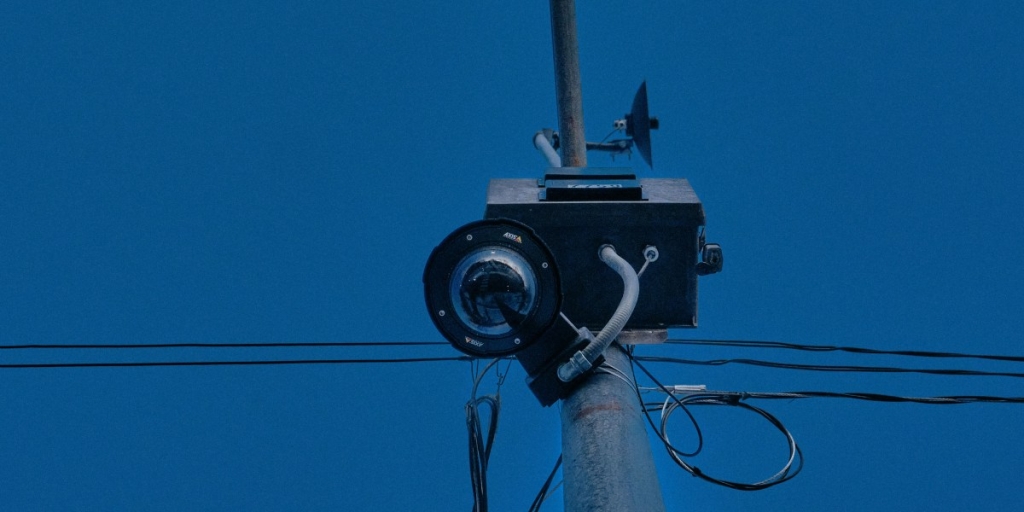
Chicago’s Surveillance Network: A Modern Panopticon or Essential Public Safety Tool?
Chicago has long been known for its vibrant culture, iconic skyline, and deep-dish pizza. But beneath the surface of this bustling metropolis lies a sprawling, high-tech surveillance apparatus that has sparked heated debate across the city and beyond. With an estimated 45,000 surveillance cameras dotting its streets, Chicago boasts one of the most extensive monitoring systems in the United States. This network, combined with a robust license plate reader system and access to video feeds from schools, parks, public transit, and even private security devices like Ring doorbells, has transformed the city into a real-time surveillance hub.
Law enforcement agencies and security advocates argue that this vast infrastructure is a cornerstone of public safety. They point to its role in solving crimes, deterring criminal activity, and providing critical evidence in investigations. The Chicago Police Department (CPD) has credited the system with helping to reduce crime rates in certain neighborhoods and improving response times to incidents. For them, the network is a force multiplier, enabling officers to monitor large areas efficiently and respond to threats with unprecedented speed.
However, the system has drawn sharp criticism from privacy advocates, civil rights organizations, and many residents who see it as a digital panopticon—a term coined by philosopher Jeremy Bentham to describe a prison design where inmates are constantly watched, leading to self-regulation of behavior. Critics argue that the sheer scale of surveillance creates a chilling effect on free speech and assembly. People may think twice before attending a protest, engaging in political discourse, or even walking down the street if they feel they are being watched at all times.
The integration of private surveillance systems, such as Ring cameras, into the city’s network has further fueled concerns. While Ring owners voluntarily share their footage with law enforcement, the lack of transparency around how this data is used and stored has raised red flags. Activists worry that the system disproportionately targets marginalized communities, exacerbating existing inequalities in policing. A 2023 report by the ACLU of Illinois found that neighborhoods with higher populations of Black and Latino residents had a higher density of surveillance cameras, raising questions about systemic bias in the city’s approach to public safety.
The debate over Chicago’s surveillance network is part of a broader national conversation about the balance between security and privacy in the digital age. As technology continues to advance, cities across the U.S. are grappling with similar questions: How much surveillance is too much? Who gets to decide how the data is used? And what safeguards are in place to protect civil liberties?
For now, Chicago remains at the forefront of this debate, serving as both a model and a cautionary tale for other cities considering similar systems. As the conversation evolves, one thing is clear: the city’s surveillance network is not just a technological marvel—it’s a mirror reflecting society’s deepest fears and aspirations about safety, privacy, and the future of urban life.
Tags: Chicago surveillance, privacy concerns, public safety, digital panopticon, license plate readers, Ring doorbell cameras, civil liberties, systemic bias, urban monitoring, law enforcement technology, chilling effect, ACLU, Chicago Police Department, high-tech policing, surveillance ethics, urban security, data privacy, smart city technology, community policing, crime prevention, digital rights, monitoring systems, public trust, technological oversight, urban surveillance debate.
Viral Sentences:
- “Chicago’s 45,000 cameras: A shield for safety or a shackle on freedom?”
- “Is your neighborhood being watched? Chicago’s surveillance network knows.”
- “The digital panopticon: How Chicago’s cameras are changing the way we live.”
- “Privacy vs. Security: The high-stakes debate over Chicago’s surveillance state.”
- “From Ring doorbells to license plate readers: How Chicago became a surveillance superpower.”
- “Activists warn: Chicago’s cameras are watching—and they’re not just looking for criminals.”
- “The chilling effect: How constant surveillance is reshaping behavior in Chicago.”
- “Chicago’s surveillance network: A model for cities or a warning for democracy?”
- “Who’s watching the watchers? The unanswered questions about Chicago’s cameras.”
- “In Chicago, every street corner tells a story—and the cameras are listening.”
,

Leave a Reply
Want to join the discussion?Feel free to contribute!