
The Download: The future of nuclear power plants, and social media-fueled AI hype
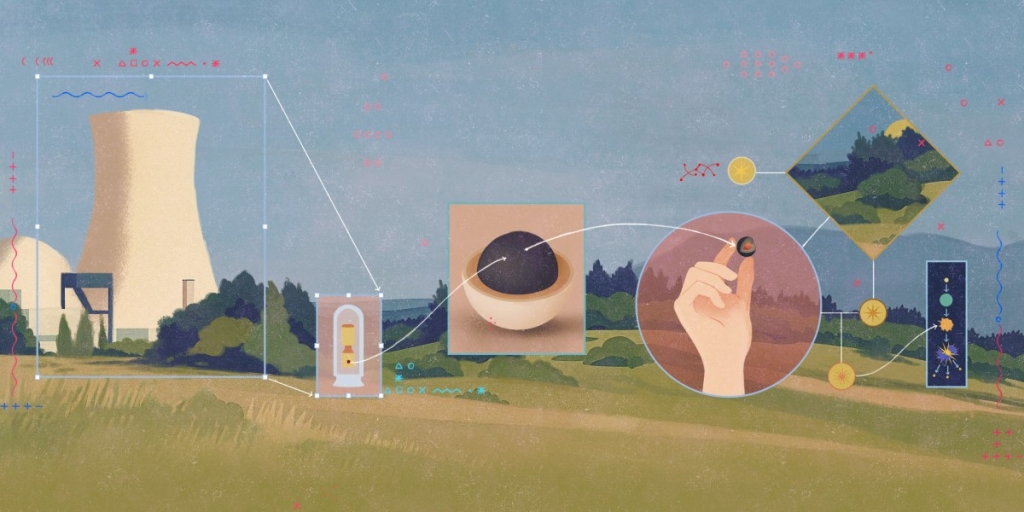
AI’s Unstoppable Rise: How Next-Gen Nuclear Power is Fueling the Future of Data Centers
The artificial intelligence revolution is accelerating at breakneck speed, and with it comes an unprecedented demand for computing power that’s reshaping the technological landscape. As tech giants race to build massive hyperscale data centers to train increasingly complex AI models, a critical challenge has emerged: how to power these computational behemoths without overwhelming existing energy infrastructure.
The answer may lie in an unexpected place: next-generation nuclear power plants. These advanced reactors promise to deliver the massive amounts of electricity needed to support AI’s voracious appetite while potentially offering safer and more cost-effective solutions than traditional nuclear facilities.
The scale of this energy demand is staggering. Modern AI systems require enormous computational resources, with training a single large language model consuming enough electricity to power thousands of homes for months. As companies like Google, Microsoft, and Amazon invest billions in expanding their AI capabilities, the need for reliable, carbon-free baseload power has never been more urgent.
Next-generation nuclear technology represents a potential game-changer. Unlike conventional reactors that rely on water cooling and operate at relatively low temperatures, these advanced designs use innovative cooling methods and materials that allow them to run hotter and more efficiently. Some designs use molten salt as a coolant, while others employ high-temperature gas cooling systems. These improvements could translate to lower construction costs, enhanced safety features, and greater flexibility in where facilities can be located.
The convergence of AI and nuclear power is creating fascinating partnerships. Tech companies are beginning to invest directly in nuclear projects, recognizing that securing their own power supply is becoming as crucial as securing computing hardware. This vertical integration could accelerate the deployment of both technologies, creating a symbiotic relationship where AI helps optimize nuclear plant operations while nuclear provides the stable power needed for AI training.
However, this technological marriage isn’t without controversy. Environmental groups remain divided on nuclear power’s role in a sustainable future, while concerns about nuclear waste disposal and the potential for accidents continue to linger. The nuclear industry must overcome decades of public skepticism and regulatory hurdles to realize its potential as an AI power source.
Meanwhile, the AI community itself is grappling with its own set of challenges, as evidenced by a recent public spat that laid bare the tensions within the field. When OpenAI researcher Sébastien Bubeck announced that the company’s GPT-5 model had solved ten unsolved mathematical problems, the claim sparked immediate controversy. Google DeepMind CEO Demis Hassabis’s terse response of “This is embarrassing” ignited a firestorm on social media, highlighting the intense competition and sometimes questionable claims that characterize the AI industry.
This incident underscores a broader issue: the role of social media in amplifying AI hype and creating unrealistic expectations. As companies compete for attention, funding, and talent, the pressure to make bold claims can sometimes overshadow scientific rigor. The mathematics community quickly pointed out that the claimed breakthroughs were more modest than initially presented, illustrating how the rush to be first can lead to oversimplification and exaggeration.
The incident also reveals the human element in AI development. Behind the technical achievements are researchers and executives with competing interests, egos, and institutional loyalties. Social media platforms like X (formerly Twitter) have become the primary venue for these disputes, where complex technical debates are reduced to sound bites and where the line between legitimate scientific discourse and marketing hype often blurs.
This culture of boosterism has real consequences. Investors may make decisions based on inflated claims, policymakers might craft regulations around misunderstood capabilities, and the public could develop unrealistic expectations about AI’s near-term potential. The challenge lies in maintaining enthusiasm for genuine breakthroughs while fostering a more nuanced understanding of what AI can and cannot do.
Beyond the world of AI and nuclear power, another technological revolution is quietly transforming how we interact with our environment: advanced cooling materials. As global temperatures rise and heat waves become more frequent, the need for efficient cooling solutions has never been more critical.
Radiative cooling technology, which dates back to ancient times but has been revolutionized by modern materials science, offers a promising alternative to traditional air conditioning. These innovative paints, coatings, and textiles can reflect sunlight and radiate heat away from buildings and people without consuming any electricity.
The science behind this technology is fascinating. Special materials are engineered to have specific optical properties that allow them to reflect most incoming solar radiation while simultaneously emitting infrared radiation that can pass through the atmosphere and escape into space. This process, known as passive radiative cooling, can reduce temperatures by several degrees even under direct sunlight.
Companies are developing various applications for this technology. Cooling paints can be applied to rooftops and building exteriors, reducing the urban heat island effect and lowering cooling costs. Specialized textiles can keep people comfortable in hot conditions without air conditioning. Even road surfaces are being treated with cooling coatings to reduce heat absorption and improve safety.
The potential impact is enormous. If widely adopted, these materials could significantly reduce electricity demand for cooling, easing strain on power grids during peak summer months. They could also help address energy poverty by providing cooling solutions that don’t require expensive infrastructure or ongoing energy costs.
As we look to the future, these three technological threads—AI-powered data centers, next-generation nuclear energy, and advanced cooling materials—are likely to become increasingly intertwined. AI will help optimize energy production and distribution, nuclear power will provide the stable baseload needed for AI operations, and cooling technologies will help manage the heat generated by both AI systems and a warming planet.
The challenges are significant, but so are the opportunities. As these technologies mature and converge, they have the potential to address some of humanity’s most pressing challenges: climate change, energy security, and the sustainable development of transformative technologies. The key will be maintaining a balanced perspective that celebrates genuine innovation while remaining grounded in scientific reality and mindful of broader societal impacts.
AIrevolution #NuclearFuture #DataCenterEnergy #TechInnovation #SustainableComputing #HyperscaleAI #NextGenNuclear #RadiativeCooling #ClimateTech #EnergyTransition #AITruth #TechCompetition #FutureOfPower #CoolingRevolution #SustainableAI
NuclearEnergy #AI Hype #TechControversy #ClimateChangeSolutions #EnergyCrisis #ArtificialIntelligence #NuclearPower #DataCenters #CoolingTechnology #SustainableTechnology #TechDebate #EnergyInnovation #FutureTech #ClimateSolutions #AIAdvancement
NuclearRenaissance #AICapabilities #EnergySecurity #CoolingMaterials #TechEvolution #SustainableComputing #AIProgress #NuclearSafety #EnergyEfficiency #ClimateAction #TechFuture #AIReality #NuclearInvestment #CoolingInnovation #SustainableEnergy
AICompetition #NuclearTechnology #DataCenterGrowth #CoolingSolutions #TechBreakthroughs #EnergyTransformation #AIRevolution #NuclearDevelopment #SustainablePower #CoolingAdvances #TechChallenges #EnergyFuture #AIIntegration #NuclearPotential #ClimateTechnology
AIIndustry #NuclearPowerPlants #DataCenterExpansion #CoolingMaterials #TechProgress #EnergySustainability #AIRevolution #NuclearInnovation #CoolingTechnology #SustainableDevelopment #TechControversy #EnergySolutions #AIAdvancement #NuclearFuture #ClimateInnovation
,


Leave a Reply
Want to join the discussion?Feel free to contribute!