
The Download: The startup that says it can stop lightning, and inside OpenAI’s Pentagon deal
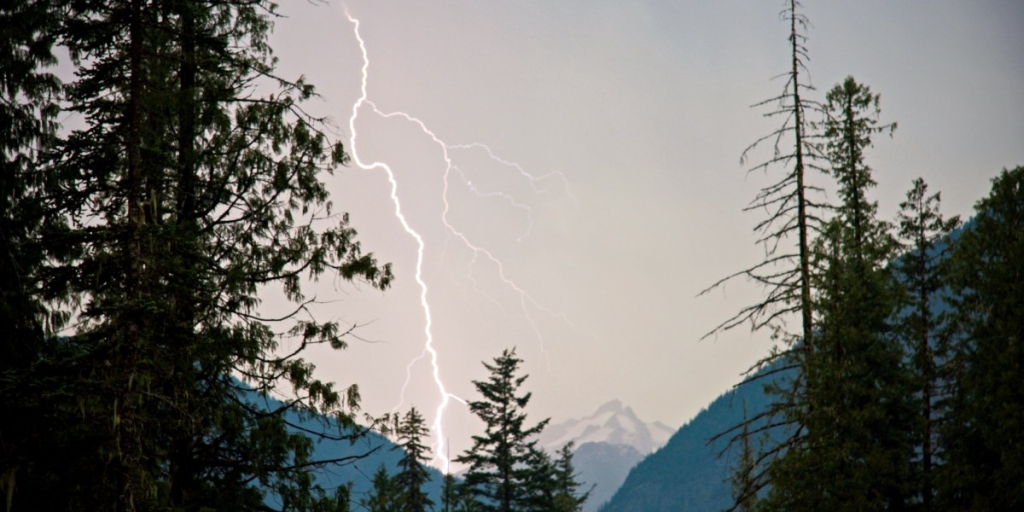
Skyward Wildfire: The Startup Claiming to Stop Lightning and Prevent Catastrophic Fires
In an era where wildfires are becoming increasingly destructive, a bold new startup is making a claim that sounds almost too good to be true: it can stop lightning strikes before they ignite catastrophic blazes. Meet Skyward Wildfire, a company that says it has developed a technology capable of preventing the very spark that often sets off devastating forest fires. But here’s the catch—how exactly they do it remains a mystery, at least for now.
The Lightning Problem: A Growing Threat
Wildfires have become one of the most pressing environmental crises of our time. In recent years, massive blazes have ravaged communities, destroyed ecosystems, and released tons of carbon into the atmosphere. While human activity is often blamed for starting fires, lightning strikes are responsible for a significant portion of the most destructive wildfires. These natural electrical discharges can ignite dry vegetation in an instant, leading to fires that burn for weeks or even months.
Skyward Wildfire claims to have found a solution to this problem. According to the company, its technology can intervene before lightning strikes even occur, effectively cutting off the ignition source at its root. But how does it work? That’s where things get interesting—and a little controversial.
The Controversial Science Behind the Solution
While Skyward Wildfire has been tight-lipped about the specifics of its technology, online documents suggest the company is relying on a method that dates back to the early 1960s. The approach involves seeding clouds with metallic chaff, which consists of narrow fiberglass strands coated with aluminum. This technique, originally developed by the U.S. government, is designed to interfere with the electrical processes that lead to lightning formation.
Cloud seeding, as it’s known, has been used for decades to influence weather patterns, such as increasing rainfall in drought-prone areas. However, using it to prevent lightning strikes is a relatively new and untested application. The idea is that by dispersing these metallic particles into storm clouds, the electrical charge that builds up before a lightning strike can be disrupted, effectively neutralizing the threat.
A High-Stakes Bet on Innovation
Skyward Wildfire has just secured millions of dollars in funding to accelerate its product development and expand its operations. This influx of capital signals strong investor confidence in the company’s vision, but it also raises questions about the feasibility and scalability of the technology. Can a startup really solve a problem that has stumped scientists and firefighters for decades?
The stakes couldn’t be higher. If successful, Skyward Wildfire’s technology could revolutionize wildfire prevention, saving countless lives, homes, and acres of forest. But if it fails, the consequences could be dire—not just for the company, but for the communities that rely on its promises.
Unanswered Questions and Environmental Concerns
Despite the excitement surrounding Skyward Wildfire, significant uncertainties remain. Researchers and environmental observers have raised several critical questions:
-
How effective will the seeding be under varying weather conditions? Lightning formation is a complex process influenced by factors like humidity, temperature, and wind patterns. It’s unclear how well the technology will perform in different environments.
-
How much material would need to be released to make a meaningful impact? Cloud seeding on a large scale could require vast quantities of metallic chaff, raising concerns about cost and logistics.
-
How frequently would the intervention need to occur? Wildfires can happen anywhere, at any time. Would Skyward Wildfire need to constantly monitor and treat storm clouds across vast regions?
-
What are the potential secondary environmental impacts? Introducing large amounts of metallic particles into the atmosphere could have unintended consequences for ecosystems, wildlife, and even human health.
These questions highlight the need for rigorous testing and transparent communication from Skyward Wildfire. Without clear answers, the company’s claims risk being dismissed as hype rather than groundbreaking innovation.
The Road Ahead: A Balancing Act
As Skyward Wildfire moves forward, it will need to navigate a delicate balance between ambition and accountability. The company’s success will depend not only on the effectiveness of its technology but also on its ability to address the concerns of scientists, regulators, and the public.
For now, the world watches with a mix of hope and skepticism. Could this be the breakthrough we’ve been waiting for in the fight against wildfires? Or is it another example of overpromising in the tech industry? Only time—and perhaps a few controlled tests—will tell.
Tags:
SkywardWildfire #LightningPrevention #WildfireTech #ClimateInnovation #CloudSeeding #EnvironmentalTech #DisasterPrevention #TechStartups #Sustainability #WildfireSolutions
Viral Phrases:
- “Stopping lightning before it strikes”
- “The future of wildfire prevention”
- “Tech meets nature in a bold new way”
- “Can we really control the weather?”
- “A spark of hope in the fight against fires”
- “The startup taking on Mother Nature”
- “Revolutionizing disaster response”
- “From science fiction to reality”
- “The cloud seeding controversy”
- “A game-changer for climate tech”
,

Leave a Reply
Want to join the discussion?Feel free to contribute!