
The ICE Expansion Won’t Happen in the Dark
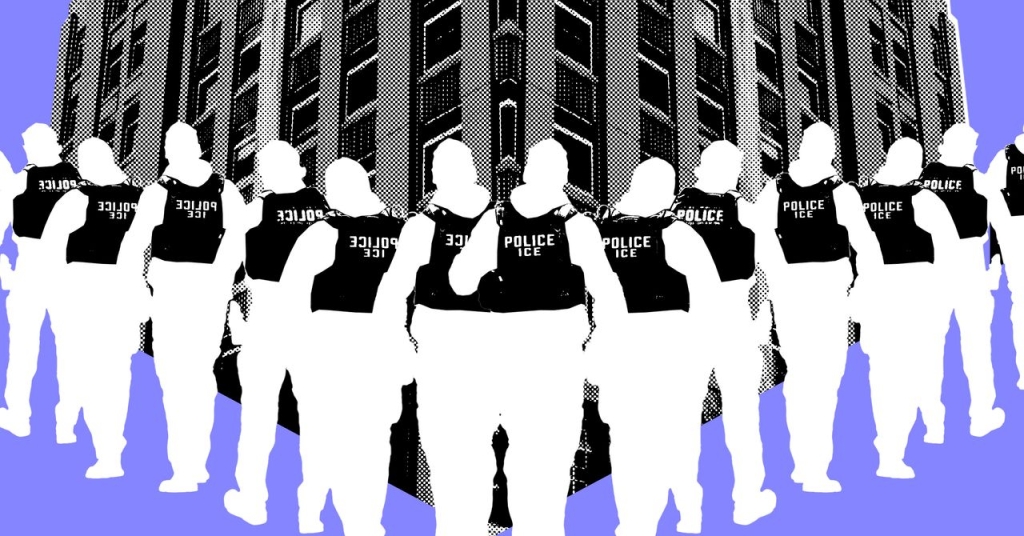
ICE’s Shadow Expansion: Leaked Documents Reveal Planned Takeover of 150+ US Office Spaces
In a stunning revelation that has sent shockwaves through communities nationwide, WIRED has obtained exclusive details about Immigration and Customs Enforcement’s (ICE) unprecedented expansion plan, which would see the agency establish a presence in over 150 office locations across the United States. The leaked documents paint a picture of a federal agency rapidly transforming into a sprawling domestic surveillance and enforcement apparatus operating with minimal oversight and maximum secrecy.
A Blueprint for Occupation
The scope of ICE’s ambitions is breathtaking. Internal government documents reveal plans to occupy 54 specific addresses across major metropolitan areas, with the agency’s reach extending to every significant population center in the country. What makes this expansion particularly concerning is not just its scale, but its strategic placement within civilian spaces.
These aren’t isolated government compounds tucked away from public view. ICE is planning to share hallways and elevator banks with medical offices and small businesses. The agency will establish field offices down the street from daycare centers, within walking distance of churches and substance abuse treatment facilities, and in close proximity to schools and community centers. This integration into everyday spaces represents a fundamental shift in how immigration enforcement operates within American communities.
The Minneapolis Model
The situation in Minneapolis serves as a disturbing template for what communities nationwide can expect. There, ICE has already established a significant presence, transforming what was once a relatively modest field office into a major operational hub. Local residents report increased ICE activity in their neighborhoods, with agents conducting surveillance, making arrests in public spaces, and creating an atmosphere of fear that extends far beyond the immigrant communities directly targeted.
Community organizers in Minneapolis describe a city under occupation, where the mere presence of ICE agents in civilian spaces creates a chilling effect on everyday activities. Parents hesitate to take their children to medical appointments. Workers avoid reporting workplace violations. Students skip school out of fear that their families might be targeted.
Bypassing Normal Procedures
What makes this expansion particularly alarming is the manner in which it’s being executed. Normally, federal agencies leasing large amounts of commercial space would follow established procedures: public bidding processes, transparent selection criteria, and community notification. None of these standard protocols appear to have been followed in ICE’s case.
The General Services Administration (GSA), the federal agency responsible for managing government properties, was specifically instructed to expedite the leasing process and maintain secrecy. Internal communications obtained by WIRED show that discretion was prioritized over transparency, with officials explicitly directed to keep these expansion plans confidential.
This departure from normal operating procedures raises serious questions about accountability and oversight. When federal agencies can expand their physical footprint across the country without public knowledge or input, it undermines the very foundations of democratic governance.
The Financial Scale
ICE’s expansion is backed by staggering financial resources. The agency has been allocated more than $75 billion in funding, providing it with the means to execute its ambitious plans. This massive budget supports a workforce of at least 22,000 officers and agents, with the capacity to rapidly scale operations as needed.
The financial resources at ICE’s disposal allow the agency to outbid competitors for prime commercial real estate, offer premium lease rates to landlords, and fund extensive renovations to convert standard office spaces into detention and processing facilities. This economic power, combined with the agency’s expanding mandate, creates a formidable force capable of reshaping the physical and social landscape of American communities.
The Human Cost
Behind the bureaucratic language and real estate transactions are human beings whose lives will be profoundly affected by ICE’s expansion. The documents reveal plans for “giant warehouses” designed to hold thousands of detained individuals. These facilities, often located in industrial areas or on the outskirts of cities, represent a hidden infrastructure of mass detention that operates largely out of public view.
Detainees in these facilities face harsh conditions, limited access to legal representation, and prolonged periods of confinement. Families are separated, often with little information about when or if they will be reunited. The psychological toll on both detainees and their communities is immeasurable, creating lasting trauma that extends far beyond the immediate crisis of detention.
The Minnesota Precedent
The situation in Minnesota provides a preview of what other communities might face. There, ICE has not only expanded its office presence but has also engaged in aggressive tactics against observers and journalists. Legal observers who document ICE activities have been arrested and detained. Protesters have reported being followed home and harassed by federal agents.
The Department of Justice has taken an increasingly hostile stance toward press freedom in this context, arguing that publishing any identifying information about ICE agents or their activities constitutes “doxing” and potentially criminal behavior. This aggressive posture toward transparency and accountability represents a dangerous escalation in the federal government’s relationship with the press and civil society.
The Scope of the Unknown
While WIRED’s reporting has revealed significant details about ICE’s expansion plans, many questions remain unanswered. More than 100 addresses have yet to be identified, with particular concentrations suspected in high-population states like New York and New Jersey. The specific nature of operations at various field offices remains unclear, as does the timeline for ICE’s planned presence in these communities.
What is clear is that ICE’s expansion represents a fundamental transformation of immigration enforcement in the United States. The agency is evolving from a specialized law enforcement body focused on border security and targeted enforcement actions into a domestic surveillance and detention apparatus with the capacity to operate anywhere, anytime, with minimal oversight.
The Urgency of Response
The need for community awareness and organized response to ICE’s expansion cannot be overstated. As the agency continues to metastasize across the country, communities have limited time to prepare for the impact of increased immigration enforcement in their neighborhoods.
Local governments, community organizations, and individual citizens must work together to understand the implications of ICE’s presence and develop strategies to protect vulnerable populations. This includes establishing legal defense funds, creating rapid response networks, training community members in their rights, and building solidarity across different communities affected by immigration enforcement.
The Role of Journalism
WIRED’s reporting on ICE’s expansion highlights the crucial role that investigative journalism plays in a functioning democracy. When federal agencies operate in secrecy, expanding their power and reach without public knowledge or consent, it falls to journalists to uncover these activities and bring them to light.
The aggressive stance taken by the Department of Justice toward journalists covering ICE activities represents a direct threat to press freedom and the public’s right to know. Attempts to criminalize the publication of basic information about government operations, including the locations of federal facilities, undermine transparency and accountability.
Looking Forward
As ICE continues its rapid expansion, several critical questions demand answers. What oversight mechanisms exist to ensure that the agency’s growth serves legitimate law enforcement purposes rather than political objectives? How can communities protect their residents from aggressive enforcement tactics? What role should local law enforcement play in cooperating with or resisting ICE activities?
The answers to these questions will shape the future of immigration enforcement in the United States and determine whether communities can maintain their character and cohesion in the face of federal expansion.
The Path Ahead
Understanding where ICE plans to establish its presence is not a panacea for addressing the broader issues of immigration policy and enforcement. However, it provides communities with crucial information they need to prepare, organize, and resist policies that threaten their residents and undermine community trust.
As WIRED continues its investigative reporting on this issue, the public has a responsibility to stay informed, engaged, and active in defending democratic values and human rights. The expansion of ICE represents not just a policy choice about immigration enforcement, but a fundamental question about the kind of society we want to live in.
The battle over ICE’s expansion is ultimately a battle over transparency, accountability, and the limits of federal power in American communities. By shining a light on these secretive plans, journalists, activists, and concerned citizens can work together to ensure that government power remains constrained by democratic principles and respect for human dignity.
Tags
ICE expansion, federal surveillance, immigration enforcement, community resistance, government secrecy, civil liberties, press freedom, mass detention, Minneapolis occupation, federal overreach, immigrant rights, transparency, accountability, investigative journalism, public safety, democratic oversight, community organizing, legal defense, human rights, federal power
Viral Sentences
ICE is coming to a neighborhood near you, and they don’t want you to know about it. Your city could be next on ICE’s secret occupation list. This isn’t enforcement—it’s occupation. They’re hiding in plain sight, sharing hallways with your doctor’s office. ICE has more money than some countries and plans to use it to watch you. The government is building warehouses to hold thousands of people in secret. Minneapolis is just the beginning of ICE’s domestic takeover. ICE agents are following protesters home and calling it law enforcement. The DOJ says telling you where ICE is located is a crime. Your tax dollars are funding ICE’s expansion into every major city. ICE is transforming from border patrol to neighborhood watch on steroids. They’re not just enforcing laws—they’re creating fear in every community. ICE’s $75 billion budget could fund small countries, but instead funds your surveillance. The same government that spies on immigrants is now watching everyone. ICE is the new normal, and normal is terrifying. Your church, your school, your doctor’s office—all potential ICE targets. They’re building an invisible prison system across America. ICE expansion isn’t about security—it’s about control. The secret is out: ICE is coming for your community next.
,


Leave a Reply
Want to join the discussion?Feel free to contribute!