
The Low Carb vs Low Fat Debate Just Took a Major Turn
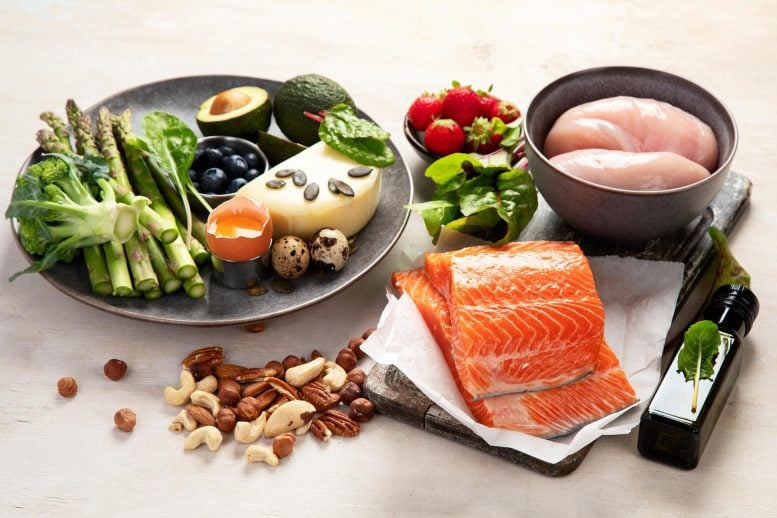
A landmark new study published today in the Journal of the American College of Cardiology (JACC) is challenging decades of diet dogma, revealing that both low-carb and low-fat diets can protect heart health — but only if they’re built on high-quality, nutrient-dense foods. The research, led by scientists from the Harvard T.H. Chan School of Public Health, tracked over 150,000 participants for up to 30 years and found that the type of food matters far more than the macronutrient ratio.
The study analyzed long-term data from three major cohorts: the Nurses’ Health Study, the Nurses’ Health Study II, and the Health Professionals Follow-up Study. Participants completed detailed food frequency questionnaires every four years, allowing researchers to assess not only their overall dietary patterns but also the quality of the foods they consumed within those patterns.
Participants were scored based on how closely their diets aligned with either a high-quality low-carbohydrate diet (with an emphasis on vegetables, nuts, legumes, whole grains, and healthy fats) or a high-quality low-fat diet (rich in whole grains, fruits, vegetables, and plant-based proteins). Diets heavy in refined grains, sugary beverages, processed meats, and trans fats scored poorly on both scales.
The findings were striking. People who adhered to high-quality versions of either diet had a significantly lower risk of developing heart disease compared to those who followed low-quality versions. For example, individuals in the highest quintile of high-quality low-carb eating had a 17% lower risk of coronary heart disease, while those following high-quality low-fat diets saw a 15% reduction in risk. In contrast, participants consuming low-quality versions of either diet — regardless of carb or fat content — showed no heart-protective benefits and, in some cases, increased cardiovascular risk.
The study’s lead author, Dr. David S. Ludwig, emphasized that the results “challenge the simplistic notion that cutting carbs or cutting fat is inherently healthy.” Instead, the evidence points to a more nuanced reality: “What really matters is the quality of the foods you choose to replace the calories you’re cutting.”
This revelation carries profound implications for public health messaging. For years, diet wars have pitted low-carb advocates against low-fat proponents, each claiming superiority for heart health. This research suggests that both camps may have been right — and wrong — depending on the nutritional quality of their food choices.
High-quality low-carb diets in the study were rich in plant-based proteins, non-starchy vegetables, nuts, seeds, and healthy oils like olive and avocado oil. Low-quality low-carb diets, conversely, were heavy in red and processed meats, butter, and other sources of saturated and trans fats. Similarly, high-quality low-fat diets emphasized whole grains, legumes, fruits, and vegetables, while low-quality versions relied on refined carbohydrates and added sugars.
The researchers also found that diet quality had a more substantial impact on heart health than the specific macronutrient composition. Even participants who consumed moderate amounts of carbohydrates or fats but chose high-quality sources fared better than those who strictly limited one macronutrient but filled their plates with processed, nutrient-poor foods.
Another critical insight from the study is the long-term sustainability of dietary patterns. Participants who maintained high-quality diets over decades had the best outcomes, suggesting that heart-protective benefits are not achieved through short-term dietary changes but through sustained, healthy eating habits.
The implications extend beyond individual health. If public health guidelines shift toward emphasizing diet quality over macronutrient ratios, it could reshape everything from food labeling and marketing to school lunch programs and clinical dietary recommendations.
Experts not involved in the study praised its robust methodology and long follow-up period. Dr. Walter Willett, a professor of epidemiology and nutrition at Harvard, noted that the findings “reinforce what many nutrition scientists have suspected for years: that whole, minimally processed foods are the foundation of a heart-healthy diet, regardless of whether they’re high in carbs or fats.”
The study also aligns with growing evidence that the source of macronutrients matters more than their absolute amounts. For instance, carbohydrates from quinoa, sweet potatoes, and legumes have vastly different metabolic effects than those from white bread, soda, and pastries. Similarly, fats from avocados, nuts, and fish support heart health in ways that fats from processed snacks and fatty cuts of meat do not.
As the nutrition community digests these findings, one thing is clear: the low-carb vs. low-fat debate may finally be ready for a ceasefire. The real battleground, it seems, is not between carbs and fats but between whole, nutrient-rich foods and their processed counterparts.
For consumers, the takeaway is refreshingly simple: focus on the quality of your diet. Fill your plate with vegetables, fruits, whole grains, healthy fats, and lean proteins. Limit refined grains, added sugars, and processed meats. Whether you prefer a lower-carb or lower-fat approach, the evidence suggests that heart health is within reach — if you choose wisely.
Tags & Viral Phrases:
low-carb vs low-fat, heart health diet, healthy eating habits, high-quality foods, Harvard nutrition study, JACC journal, coronary heart disease prevention, whole foods vs processed foods, sustainable diet patterns, macronutrient quality over quantity, plant-based proteins, healthy fats, refined carbs danger, long-term diet impact, nutrition science breakthrough, heart disease risk reduction, diet quality matters, processed meats and heart health, added sugars and cardiovascular risk, whole grains benefits, non-starchy vegetables, healthy oils, nuts and seeds, dietary patterns and heart disease, public health nutrition guidelines, food frequency questionnaires, Nurses’ Health Study, Health Professionals Follow-up Study, Dr. David S. Ludwig, Dr. Walter Willett, American College of Cardiology, ScitechDaily health news
,


Leave a Reply
Want to join the discussion?Feel free to contribute!