
The Mystery of Intense Magnetism on The Moon Is Finally Solved : ScienceAlert
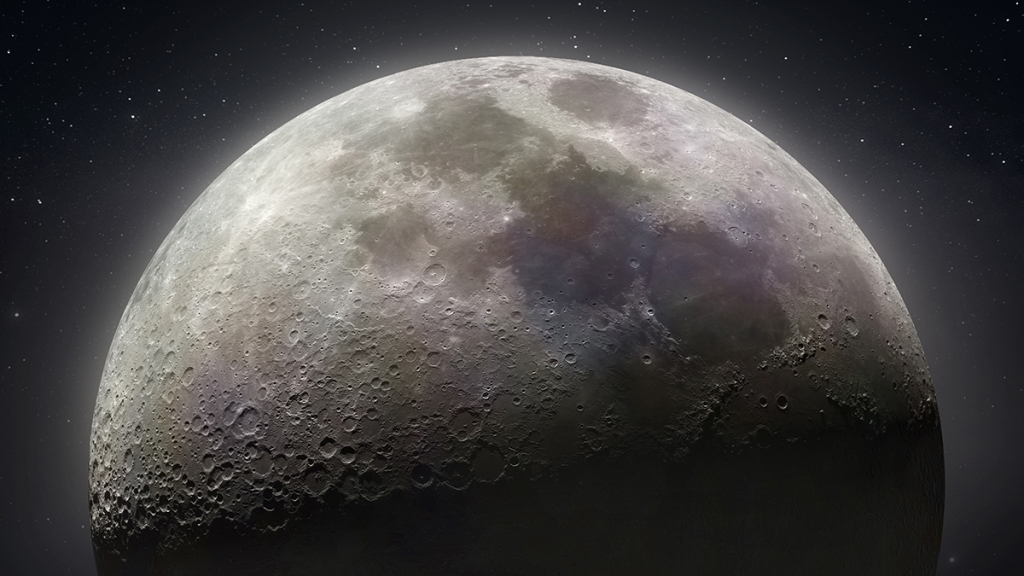
Moon Rocks Reveal a Magnetic Mystery: Why Apollo Samples Showed Stronger Fields Than Expected
In a stunning revelation that could reshape our understanding of lunar history, a new study from the University of Oxford has finally cracked a decades-old puzzle: why do Moon rocks brought back by the Apollo missions show evidence of magnetic fields as strong as—or even stronger than—Earth’s current magnetic field?
This mystery has baffled scientists since the 1970s, when Apollo astronauts returned with lunar samples showing unexpectedly intense magnetic signatures. Given the Moon’s much smaller size and lack of the same internal energy and core dynamics that power Earth’s global magnetic field, these findings seemed impossible. How could our celestial neighbor, which today has only a weak and patchy magnetic field, have once possessed such powerful magnetism?
The Sampling Bias That Fooled Scientists for Decades
According to planetary geologist Claire Nichols, the answer lies in what geologists call a “sampling bias.” The Apollo missions, by pure chance, landed in specific regions of the Moon that were particularly prone to producing strongly magnetized rocks—but these intense magnetic events were actually extremely rare, lasting only a few thousand years at most.
“Our new study suggests that the Apollo samples are biased to extremely rare events that lasted a few thousand years—but up until now, these have been interpreted as representing 0.5 billion years of lunar history,” Nichols explains. “It now seems that a sampling bias prevented us from realizing how short and rare these strong magnetism events were.”
The Titanium Connection: A Geological Smoking Gun
The breakthrough came when researchers reexamined lunar rock samples known as Mare basalts, looking for patterns between their geological ingredients and their magnetic properties. A clear link emerged: rocks with stronger magnetism had much higher titanium content.
To understand this connection, the team ran sophisticated computer models exploring how titanium-rich materials near the Moon’s core-mantle boundary could trigger intense magnetic fields. The models revealed that melting of this titanium-rich material could briefly increase heat flow from the core, triggering or enhancing dynamo activity and boosting the magnetic field while simultaneously producing titanium-rich lava flows.
Why Apollo’s Landing Sites Created a False Impression
The Apollo missions sampled similar Mare basalt regions of the Moon—areas where the model predicts titanium-rich lavas would have flowed. This created a sampling bias that has baffled scientists for years.
“If we were aliens exploring Earth, and had landed here just six times, we would probably have a similar sampling bias, especially if we were selecting a flat surface to land on,” says earth scientist Jon Wade. “It was only by chance that the Apollo missions focused so much on the Mare region of the Moon. If they landed somewhere else, we would likely have concluded that the Moon only ever had a weak magnetic field and missed this important part of early lunar history entirely.”
The Brief Bursts of Lunar Magnetism
These periods of intense magnetism would likely have lasted only a few thousand years—mere blips compared to the Moon’s 4.5-billion-year history. This explains why the strong magnetic signatures appear so prominently in the Apollo samples but aren’t evident in the Moon’s overall geological record.
The researchers acknowledge that their models are based on several assumptions to cover gaps where we lack sufficient data. With only a small sample of Moon rocks to work with, more modeling and, crucially, more physical samples will be needed to further validate these results.
What This Means for Future Lunar Exploration
Today, the Moon has a very weak and patchy magnetic field compared to Earth’s strong global one. Previous studies have offered alternative explanations for these geological records of something much stronger, including the possibility that asteroid impacts might have played a role in creating these magnetic signatures.
The good news for researchers hoping to finally get clarity on this issue is that there are plans to put humans back on the Moon before the end of the decade. The upcoming Artemis missions offer an unprecedented opportunity to test this hypothesis and delve further into the history of the lunar magnetic field.
“We are now able to predict which types of samples will preserve which magnetic field strengths on the Moon,” says geoscientist Simon Stephenson. “The upcoming Artemis missions offer us an opportunity to test this hypothesis and delve further into the history of the lunar magnetic field.”
The Bigger Picture: Understanding Planetary Evolution
This research, published in Nature Geoscience, doesn’t just solve a lunar mystery—it provides crucial insights into how planetary magnetic fields evolve over time. Understanding the Moon’s magnetic history helps us piece together the broader story of how rocky bodies in our solar system develop, maintain, and eventually lose their magnetic shielding.
As we prepare to return to the Moon with more advanced scientific instruments and the ability to collect samples from a wider variety of locations, this research provides a roadmap for what to look for and where. The Moon, it turns out, has been telling us a more complex story than we realized—we just needed to learn how to listen to the right rocks in the right places.
Related: Scientists Cracked Open a Lunar Rock And Found a Huge Surprise
Tags: lunar magnetism, Apollo missions, Moon rocks, titanium content, core dynamo, sampling bias, Mare basalts, magnetic field strength, Artemis missions, planetary geology, Nature Geoscience, lunar exploration, geological processes, core-mantle boundary, magnetic anomalies
Viral Phrases: “Moon rocks reveal magnetic mystery,” “Apollo samples showed stronger fields than expected,” “sampling bias fooled scientists for decades,” “titanium connection solves lunar puzzle,” “brief bursts of lunar magnetism,” “Artemis missions to test new theory,” “planetary evolution insights,” “cracking the Moon’s magnetic code,” “geological smoking gun,” “lunar history rewritten”
Viral Sentences: “Scientists finally explain why Moon rocks showed Earth-like magnetism,” “New study reveals Apollo missions landed in magnetic hotspots by pure chance,” “Titanium-rich lava flows may have created Moon’s brief magnetic bursts,” “Lunar mystery solved: Strong magnetism was rare, not constant,” “Moon’s magnetic field story more complex than we thought,” “Upcoming Artemis missions will test groundbreaking lunar theory,” “Geological sampling bias misled scientists for 50 years,” “Moon’s core dynamics more complicated than previously believed,” “Planetary magnetic fields evolve in ways we’re just beginning to understand,” “The Moon has been telling us a different story all along”
,


Leave a Reply
Want to join the discussion?Feel free to contribute!