
The Next-Gen Xbox Could Feature A Big Change From The Norm
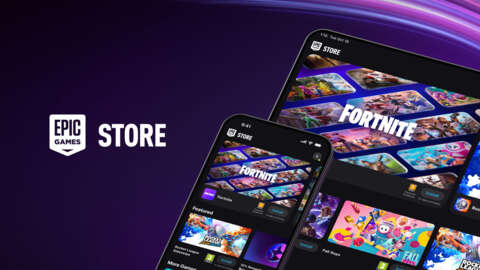
Epic Games Store Poised for “Day One” Launch on Next-Gen Xbox, Shaking Up Console Marketplace
As the gaming world holds its breath for official announcements about the next generation of Xbox hardware, a seismic shift in the console gaming landscape appears to be taking shape. Epic Games has revealed ambitious plans to bring its rapidly growing digital storefront to Microsoft’s upcoming console from the very first day of availability, potentially revolutionizing how players purchase and access games on Xbox systems.
Steve Allison, head of the Epic Games Store, confirmed the company’s aggressive timeline during a recent interview with industry publication Game File. The revelation comes as particularly noteworthy given the traditionally closed nature of console ecosystems, where platform holders Microsoft, Sony, and Nintendo have maintained strict control over their digital marketplaces.
“We definitely plan to be on the new hardware for Xbox,” Allison stated unequivocally. “Because, unless their policy or stance on it changes, they are telling us they’re going to welcome that. And we’re going be there, like, on day one. That will probably require us to build in whatever their requirements are, some sort of software to support that.”
This development represents a potential paradigm shift in console gaming economics. For years, console players have been locked into purchasing digital games exclusively through their platform’s proprietary store – the Xbox Store for Microsoft consoles, PlayStation Store for Sony systems, and Nintendo eShop for Nintendo hardware. This walled-garden approach has been a cornerstone of console business models, ensuring platform holders maintain complete control over pricing, revenue sharing, and user data.
The implications of Epic Games Store’s arrival on Xbox cannot be overstated. The storefront, which launched on PC in 2018, has rapidly gained traction by offering developers more favorable revenue splits (88/12 compared to the industry-standard 70/30) and securing high-profile exclusive titles. Its presence on console would introduce genuine competition to the Xbox Store, potentially driving down prices and giving developers more options for distributing their games.
Industry analysts suggest this move could trigger a pricing war between digital marketplaces. If popular titles become available across multiple storefronts on the same console, consumers would naturally gravitate toward the cheaper option. This competitive pressure could force Microsoft to reconsider its revenue-sharing agreements with developers or risk losing sales to Epic’s more generous terms.
The technical implementation of such a system presents fascinating challenges. Unlike PC gaming, where users can freely install and run multiple game launchers, console operating systems are designed with security and simplicity in mind. Allison acknowledged these hurdles, noting that Epic would need to develop custom software to meet Microsoft’s technical requirements and integrate seamlessly with the Xbox user interface.
This isn’t Epic’s first foray into challenging established digital marketplaces. The company famously sued Apple and Google over app store policies, arguing that their 30% revenue cuts were anti-competitive. While Epic ultimately lost its case against Apple, the legal battles highlighted growing tensions between platform holders and developers over digital marketplace practices.
The potential Xbox partnership also raises questions about Sony and Nintendo’s stance on third-party digital stores. Both companies have historically maintained even stricter control over their ecosystems than Microsoft. However, if Xbox successfully integrates Epic Games Store without compromising system security or user experience, it could pressure competitors to reconsider their policies.
From a consumer perspective, the addition of Epic Games Store could be transformative. Console gamers would gain access to Epic’s generous free game offerings, developer-friendly pricing, and potentially exclusive titles. The storefront’s robust review system and community features could also enhance the console gaming experience, bringing features long available on PC to living room gaming setups.
Developers stand to benefit significantly from this expanded marketplace. The ability to choose between multiple digital storefronts on the same console could lead to better revenue opportunities, more flexible pricing strategies, and reduced dependence on any single platform holder. Independent developers, in particular, might find new opportunities to reach console audiences without the traditional barriers to entry.
However, challenges remain. Microsoft would need to carefully balance opening its ecosystem with maintaining the security and simplicity that console gamers expect. There are also questions about how achievements, save data, and other platform-specific features would work across different storefronts. Technical integration, while feasible, would require significant cooperation between Epic and Microsoft engineering teams.
The timing of this announcement is particularly interesting, coming as both companies navigate the evolving landscape of digital gaming. Microsoft’s recent acquisition of Activision Blizzard and its push toward cloud gaming through Xbox Game Pass suggest a company willing to experiment with new business models. Epic’s aggressive expansion strategy, meanwhile, shows no signs of slowing down.
As the gaming community eagerly anticipates more details about the next-generation Xbox, the prospect of Epic Games Store’s inclusion adds another layer of excitement and uncertainty. Will this partnership materialize as planned? How will it affect game pricing and developer relationships? And could this be the first step toward a more open console ecosystem?
One thing is certain: the console gaming landscape may be on the cusp of its most significant transformation in years. The traditional walled gardens that have defined console gaming for decades might finally be showing cracks, potentially ushering in an era of greater competition, better prices, and more choices for gamers.
The coming months will be crucial as Microsoft prepares to unveil its next console and Epic Games works to fulfill its ambitious plans. Whether this partnership becomes a revolutionary success or encounters unforeseen obstacles, it represents a bold step toward reimagining how we buy, play, and think about console games.
Tags & Viral Phrases:
Epic Games Store Xbox integration, console gaming revolution, digital marketplace competition, next-gen Xbox launch, Steve Allison interview, PC gaming on consoles, game pricing wars, developer revenue splits, walled garden ecosystems, Microsoft Epic partnership, gaming industry disruption, console store alternatives, free game offerings, indie developer opportunities, cloud gaming future, Activision Blizzard acquisition impact, PlayStation vs Xbox strategies, Nintendo eShop competition, gaming ecosystem evolution, day one console features, technical integration challenges, consumer choice expansion, achievement system compatibility, save data management, gaming security concerns, market share battles, exclusive title strategies, digital storefront wars, gaming business model innovation, living room PC gaming, cross-platform development, revenue sharing revolution, gamer empowerment, console gaming democratization, Epic vs Apple legal battles, Google Play Store competition, gaming industry trends 2024, next console generation, Xbox Game Pass synergy, gaming community features, review system integration, pricing strategy evolution, developer relations transformation, console gaming future, gaming marketplace diversity, digital distribution evolution, gaming platform openness, console ecosystem transformation, gamer experience enhancement, gaming industry disruption 2024, next-gen console features, Epic Games expansion strategy, Microsoft ecosystem strategy, gaming industry innovation, console gaming accessibility, gaming market competition, digital storefront evolution, gaming consumer benefits, developer opportunity expansion, gaming industry paradigm shift, console gaming transformation, Epic Games Store success, Xbox ecosystem openness, gaming marketplace revolution, console gaming economics, digital distribution future, gaming industry change, console gaming choices, gaming platform competition, developer revenue opportunities, gaming consumer empowerment, console gaming innovation, digital storefront integration, gaming industry evolution, console gaming accessibility, gaming marketplace diversity, developer-friendly platforms, gaming ecosystem transformation, console gaming democratization, gaming industry trends, next-gen gaming features, Epic Games market strategy, Xbox partnership impact, gaming industry disruption, console gaming future, digital distribution innovation, gaming marketplace competition, console gaming choices, developer revenue opportunities, gaming consumer benefits, console gaming transformation, Epic Games Store expansion, Xbox ecosystem evolution, gaming industry change, console gaming innovation, digital storefront integration, gaming marketplace diversity, developer opportunity expansion, gaming consumer empowerment, console gaming democratization, gaming industry paradigm shift, console gaming transformation, Epic Games Store success, Xbox ecosystem openness, gaming marketplace revolution, console gaming economics, digital distribution future, gaming industry evolution, console gaming accessibility, gaming marketplace diversity, developer-friendly platforms, gaming ecosystem transformation, console gaming democratization, gaming industry trends, next-gen gaming features, Epic Games market strategy, Xbox partnership impact, gaming industry disruption, console gaming future, digital distribution innovation, gaming marketplace competition, console gaming choices, developer revenue opportunities, gaming consumer benefits, console gaming transformation
,


Leave a Reply
Want to join the discussion?Feel free to contribute!