
The Next Samsung Galaxy Watch Might Use This Groundbreaking New Tech
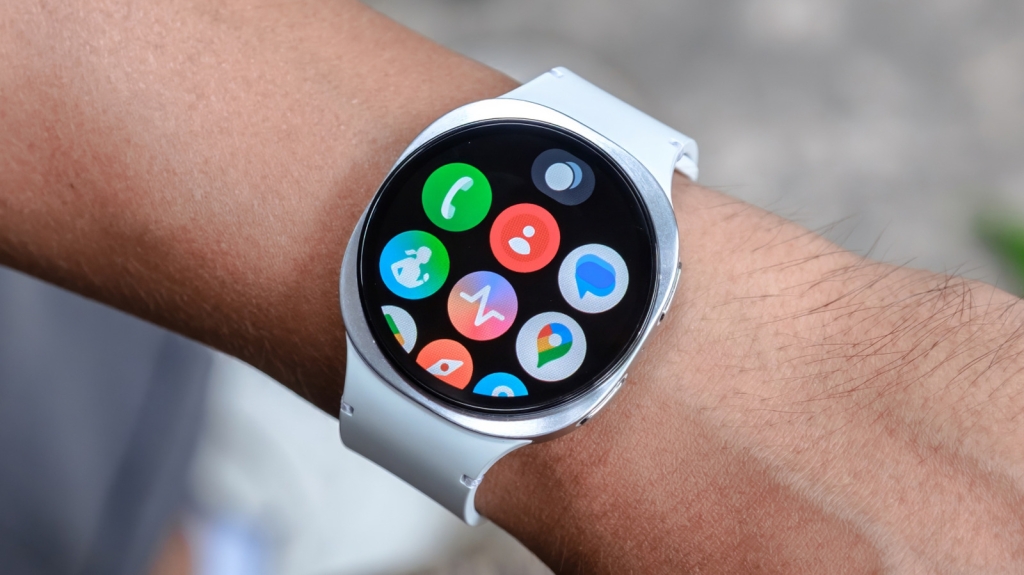
Samsung’s Solid-State Battery Breakthrough: The Next Galaxy Watch Could Be a Game-Changer
The world of wearable technology is on the brink of a major revolution, and Samsung is leading the charge. Battery life has long been the Achilles’ heel of smartwatches, with even premium devices like the Samsung Galaxy Watch 8 Classic offering a mere 40 hours of usage before needing a recharge. But what if we told you that Samsung’s latest innovation could completely transform this frustrating reality?
Samsung Electro-Mechanics (SEM), a key subsidiary of the Samsung Group, has been quietly developing a groundbreaking solid-state battery technology specifically designed for wearables. This isn’t just an incremental improvement—it’s a fundamental reimagining of how smartwatch batteries work.
The Problem with Current Smartwatch Batteries
Traditional lithium-ion batteries, which power most of today’s Android smartwatches including the Samsung Galaxy Watch Ultra, have inherent limitations. These batteries use liquid electrolytes that require protective pouches, buffer spaces for expansion during charging, and separators to prevent the anode and cathode from touching. All these components take up valuable space and add weight—two things that are at a premium in the compact world of wearables.
Enter Solid-State Battery Technology
The new oxide-based solid-state battery (SSB) that SEM has developed takes a radically different approach. Instead of liquid electrolytes, these batteries use a solid, ceramic-like material that fundamentally changes the game. This solid electrolyte is dense, stable, and doesn’t melt at high temperatures, making SSBs inherently safer than their liquid-based counterparts.
But safety is just the beginning. The absence of a liquid electrolyte means no risk of leakage, minimal physical expansion during charging, and no need for a bulky protective pouch. The solid electrolyte itself serves as the separator, eliminating the need for an additional component. This allows Samsung to pack the battery’s chemical compounds more tightly, dramatically improving energy density.
Shape-Shifting Power
Perhaps the most exciting aspect of solid-state batteries is their versatility in form factor. Unlike traditional batteries that must maintain a specific shape, SSBs can be manufactured in custom, non-linear shapes. This opens up unprecedented possibilities for smartwatch design, allowing manufacturers to utilize every cubic millimeter of available space within the device.
What This Means for the Next Galaxy Watch
If Samsung incorporates this solid-state battery technology into its next-generation Galaxy Watch, consumers could see one of two major benefits—or potentially both. The first option would be a significant boost in battery life, potentially doubling or even tripling the current 40-hour rating. Imagine a smartwatch that could last an entire week on a single charge!
The second option would be a slimmer, lighter device. With the more compact solid-state battery technology, Samsung could reduce the overall thickness and weight of the Galaxy Watch while maintaining current battery life. This would be particularly appealing for fitness enthusiasts and those who find current smartwatches bulky or uncomfortable during sleep tracking.
The Timeline and Challenges Ahead
SEM originally unveiled this ultra-compact battery technology in 2024, revealing that customer testing was already underway. While the company hasn’t provided a specific release date, representatives indicated at CES 2025 that mass production could begin as early as 2026. However, bringing solid-state batteries to market isn’t without challenges. The technology is still more expensive to produce than traditional lithium-ion batteries, and scaling up manufacturing will be crucial for commercial viability.
The Bigger Picture
This development represents more than just an upgrade for Samsung’s smartwatch lineup—it’s a potential paradigm shift for the entire wearable industry. As other manufacturers race to catch up, we could see a new era of wearables with unprecedented battery life, sleeker designs, and enhanced safety features.
The implications extend beyond just smartwatches. If solid-state battery technology proves successful in wearables, it could pave the way for similar innovations in smartphones, tablets, and eventually electric vehicles—sectors where battery technology is equally critical.
Looking Ahead
While we eagerly await official confirmation that the next Galaxy Watch will feature this revolutionary battery technology, one thing is clear: the future of wearable technology is looking brighter—and longer-lasting—than ever before. Samsung’s solid-state battery breakthrough could be the catalyst that finally solves the battery life dilemma that has plagued smartwatches since their inception.
As we move closer to 2026, all eyes will be on Samsung to see if they can successfully bring this promising technology from the laboratory to consumers’ wrists. If they succeed, the next Galaxy Watch might not just be an incremental upgrade—it could be a true game-changer that redefines what we expect from wearable technology.
Tags
solid-state battery breakthrough, Samsung Galaxy Watch 2026, wearable battery revolution, oxide-based batteries, smartwatch battery life, CES 2025 technology, Samsung Electro-Mechanics innovation, next-gen Galaxy Watch features, wearable tech future, battery technology 2026
Viral Sentences
The next Samsung Galaxy Watch might last an entire week on a single charge thanks to solid-state battery technology.
Samsung’s solid-state battery breakthrough could make current smartwatches look ancient by 2026.
Imagine a smartwatch so slim it feels like wearing nothing at all—that’s the promise of solid-state batteries.
The battery technology that could change everything is coming to wearables first, and Samsung is leading the charge.
Solid-state batteries mean saying goodbye to the anxiety of your smartwatch dying halfway through the day.
This isn’t just an upgrade—it’s a complete reimagining of how smartwatch batteries work.
Samsung’s 2026 Galaxy Watch might be the first smartwatch that truly lasts as long as you need it to.
The ceramic-like material replacing liquid electrolytes in solid-state batteries is safer, denser, and more efficient.
Shape-shifting batteries that can fit any smartwatch design? That’s the future Samsung is building.
Battery life anxiety could become a thing of the past thanks to Samsung’s solid-state battery breakthrough.
,


Leave a Reply
Want to join the discussion?Feel free to contribute!