
The Pixel 10a doesn’t have a camera bump, and it’s great
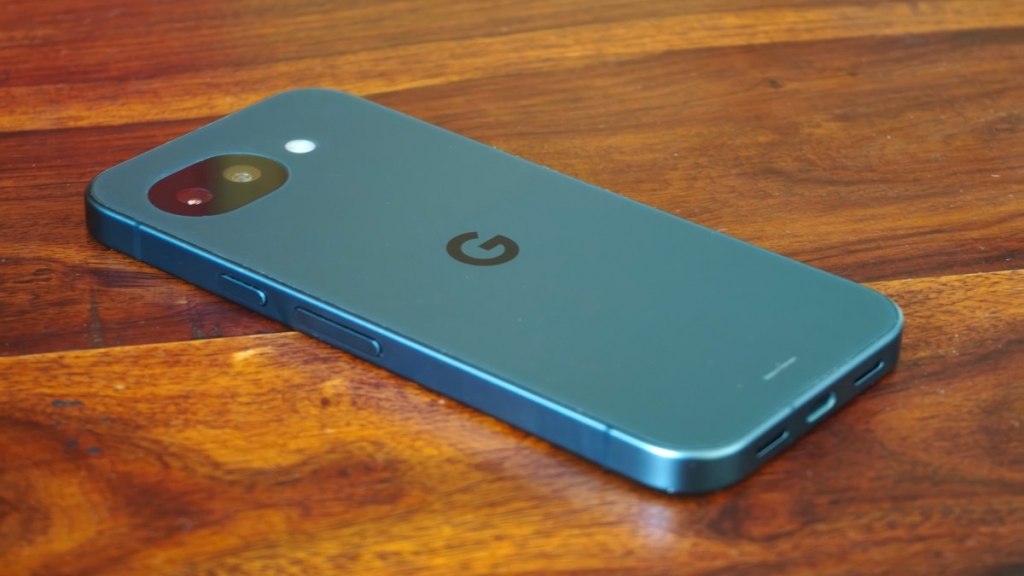
Google Pixel 10a Review: The Flat Design Revolution You Didn’t Know You Needed
For years, smartphone makers have been locked in an escalating arms race of camera bump supremacy, with each new flagship sporting a more pronounced protrusion to accommodate ever-improving optics. These design choices, while technically impressive, have created a generation of smartphones that wobble on flat surfaces and require specialized cases just to stand upright. Google has finally said “enough” with the Pixel 10a, introducing a groundbreaking flat design that sits completely flush with any surface—a seemingly small change that dramatically improves everyday usability.
The Pixel 10a’s most striking design feature is what it doesn’t have: a camera bump. This flat design philosophy represents a refreshing departure from the industry’s obsession with chasing ever-larger camera modules at the expense of practicality. The device sits perfectly flat on any surface, eliminating the annoying wobble that plagues so many modern smartphones. This design choice doesn’t just look cleaner—it fundamentally changes how the phone feels in daily use, making it more stable on desks, tables, and nightstands.
Beyond this revolutionary flat design, Google hasn’t reinvented the wheel with the Pixel 10a’s aesthetics. The phone maintains the familiar Pixel design language with minimal changes from its predecessor. I’ve been using the standard black model, but Google offers the device in four color options: Lavender (a vibrant blue-purple blend), Berry (a coral-inspired hue), Fog (a muted gray-green), and the classic black. The build quality reflects its budget positioning, with a plastic back panel that keeps weight down while maintaining a premium feel through its Actua display technology.
Speaking of the display, the 6.3-inch Actua screen represents a significant upgrade from last year’s model. At 3,000 nits of peak brightness, this panel is genuinely usable in direct sunlight—a claim many manufacturers make but few deliver on. The display supports a 120Hz refresh rate, though frustratingly, the phone ships with it locked to 60Hz by default. This means you’ll need to dig into settings to unlock the smoother scrolling experience that the hardware clearly supports. The bezels are noticeably thicker than those on flagship models, but for a $499 device, this is a reasonable compromise.
Under the hood, the Pixel 10a strikes an interesting balance between capability and cost-cutting. It uses the Google Tensor G4 chip, the same processor found in last year’s Pixel 9a, paired with 8GB of RAM. This means performance is adequate for everyday tasks but won’t win any benchmark competitions. The more significant limitation is that the G4 chip can’t run the latest Gemini Nano AI model, which means the Pixel 10a misses out on several on-device AI features available on newer Pixel devices. These missing features include notification summaries, the Pixel screenshot app, Magic Cue contextual suggestions across apps like Gmail and Messages, call notes, and on-device call translation.
However, the Pixel 10a makes up for these compromises in several key areas. The battery capacity has been increased to 5,100 mAh—larger than both the standard Pixel 10 (4,970 mAh) and the Pixel 10 Pro XL (5,200 mAh). This translates to genuinely all-day battery life, even with moderate to heavy use including video streaming, light gaming, and photography. The charging speed has also been improved to 30W via USB-C, up from the 23W of the Pixel 9a, though it still falls short of the 50W charging speeds offered by some competitors.
The camera system remains largely unchanged from last year, featuring a 48-megapixel main sensor and a 13-megapixel ultrawide lens. The main camera performs admirably in most conditions, including low light, producing photos with accurate colors and good detail. However, the ultrawide lens, with its smaller sensor, struggles in challenging lighting conditions and lacks autofocus, limiting its versatility. Google has included some thoughtful software features like Camera Coach, which provides real-time guidance for framing shots, and Auto Best Take, which merges multiple photos to create the optimal composite image—particularly useful for group photos where someone inevitably blinks.
One of the most surprising additions to the Pixel 10a is seven years of software updates, matching the commitment Google makes to its flagship devices. This means you’ll receive operating system updates, feature drops, and security patches through 2031, providing excellent long-term value. The phone also gained a quick share feature that works with Apple’s AirDrop, allowing seamless file transfers to MacBooks and other Apple devices without the need for cables—a convenience previously unavailable to Android users.
At $499, the Pixel 10a occupies an interesting position in the smartphone market. It’s not trying to compete with $1,000+ flagships on raw performance or cutting-edge features. Instead, it offers a compelling package of thoughtful design choices, reliable performance, excellent battery life, and long-term software support at a price point that won’t cause sticker shock. The flat design alone makes it feel more premium than its price suggests, and the bright display ensures usability in any lighting condition.
However, the Pixel 10a isn’t without competition. The Nothing Phone 4a Pro, also priced at $499, offers a more compelling specification sheet with a larger and brighter display, a more capable Qualcomm processor, a dedicated telephoto lens, and faster 50W charging. For users who prioritize cutting-edge features and performance, the Nothing Phone might be the better choice. But for those who value Google’s software experience, camera processing, and the unique flat design, the Pixel 10a remains an excellent option.
The question of whether to upgrade from last year’s Pixel 9a is more complicated. With the same processor, similar camera system, and only incremental improvements in battery and charging speed, there’s little reason for 9a owners to make the switch. The Pixel 10a is very much an iterative update rather than a revolutionary one—except for that brilliant flat design, which might just be worth the upgrade for some users.
In a smartphone market increasingly dominated by devices that prioritize spec-sheet supremacy over practical usability, the Pixel 10a stands out by making thoughtful compromises. It’s not the fastest, doesn’t have the most advanced AI features, and won’t win photography awards against flagship competitors. But it offers a cohesive, well-designed experience that respects both your budget and your need for a phone that works reliably day after day. Sometimes, the most innovative feature isn’t the biggest camera sensor or the fastest processor—it’s simply making a phone that sits flat on your desk.
Pixel10a #GooglePixel #BudgetPhone #SmartphoneReview #FlatDesign #TechReview #AndroidPhone #MobileTech #CameraBump #PixelDrop #TensorG4 #TechCrunch
“Finally, a phone that doesn’t wobble on my desk!”
“Google’s flat design revolution is here, and it’s brilliant”
“Seven years of updates for $500? That’s incredible value”
“The camera bump wars are officially over”
“Sometimes the best innovation is removing something”
“Google proves you don’t need a bump to take great photos”
“This is how you make a budget phone feel premium”
“The flat design alone makes this worth considering”
“Finally catching up to Apple’s AirDrop functionality”
“When good enough is actually great”
,


Leave a Reply
Want to join the discussion?Feel free to contribute!