
The Shingles Virus May Be Aging You More Quickly
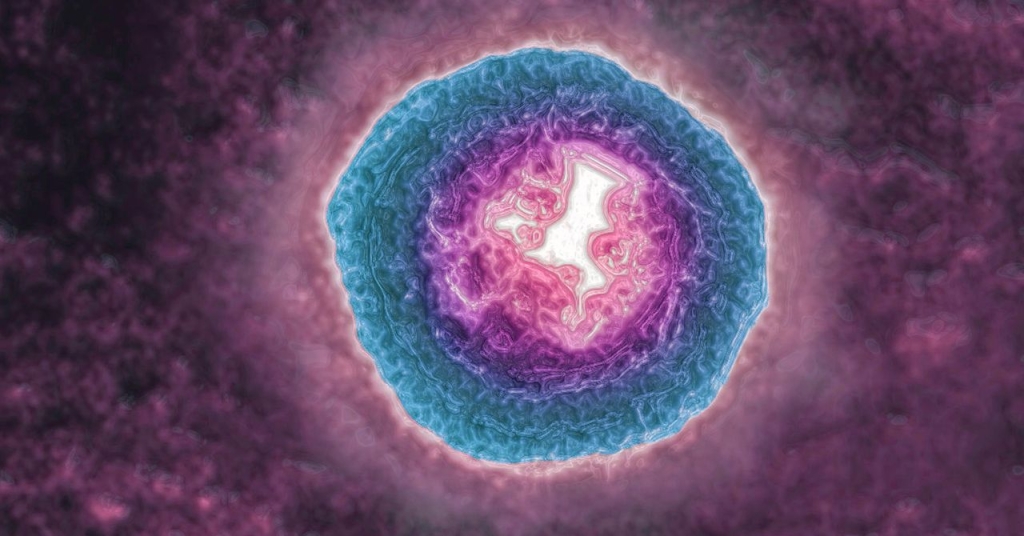
The Forgotten Virus That Could Be Stealing Your Memory — and How to Stop It
In 2010, a 63-year-old viral immunologist from Colorado began experiencing a cascade of cognitive symptoms that would derail his career and his life. What started as occasional lapses in memory and difficulty concentrating soon escalated into a terrifying inability to complete sentences during lectures. His reading comprehension faltered. His once-sharp mind felt like it was slipping away.
Medical tests, including a brain biopsy, turned up nothing conclusive. For four years, his condition worsened, and the cause remained a mystery.
Then, he recalled a brief case of shingles that had preceded his cognitive decline. Remembering a similar case of encephalitis—brain inflammation triggered by the varicella-zoster virus (VZV)—he sought further testing. The results confirmed it: VZV had reactivated in his nervous system, triggering inflammation that was slowly eroding his brain function.
He began a course of acyclovir, an antiviral drug commonly used to treat shingles. Within weeks, his symptoms reversed. His memory returned. His concentration sharpened. His lectures flowed once more.
This extraordinary case, published in 2016, opened the door to a new understanding of shingles—not just as a painful rash, but as a potential driver of cognitive decline and dementia.
For decades, shingles has been primarily associated with postherpetic neuralgia, a severe nerve pain so debilitating that it was once cited as the leading cause of pain-related suicide among the elderly. But emerging research is now revealing an even darker side: the virus’s ability to silently damage the brain.
Andrew Bubak, assistant professor of neurology at the University of Colorado Anschutz, believes the true burden of VZV is vastly underestimated. “It’s a very treatable virus,” he says, “but we’re only just beginning to understand the scope of its impact.”
In recent years, a wave of studies has suggested that the shingles vaccine may offer more than just protection against the painful rash. In April 2025, a landmark study by Stanford University researchers found that vaccination against shingles could prevent one in five new cases of dementia. Other studies have linked the vaccine to slower biological aging across multiple measures.
One theory is that the vaccine stimulates the immune system in broadly beneficial ways. But growing evidence points to a simpler, more direct explanation: preventing shingles in the first place may be key to preserving brain health.
Two separate studies have now found associations between shingles and both self-reported cognitive decline and clinically diagnosed dementia. Neurovirologists argue this data underscores the importance of preventing infection through childhood chickenpox vaccination—routine in the US since 1995 and introduced in the UK in January 2026—as well as adult shingles vaccination and booster jabs later in life.
Before routine chickenpox vaccination, over 90 percent of children in the US contracted VZV. After initial infection, the virus hides in the peripheral nervous system—the network of neurons connecting the brain and spinal cord to the rest of the body—where it can remain dormant for decades.
Reactivation can be triggered by a variety of factors: acute stress, concussion, co-infection with COVID-19, immunosuppressive medications, or the natural aging of the immune system. In many cases, these reactivations may be completely asymptomatic. Some studies suggest that many of us could experience repeated “subclinical” reactivations—where the virus reawakens without causing visible symptoms—throughout mid to later life.
The implications are profound. A virus that most of us associate with childhood chickenpox and occasional shingles outbreaks may be quietly undermining our cognitive health as we age. But unlike many risk factors for dementia, this one has a solution: vaccination.
As research continues to unfold, one thing is becoming clear: the fight against dementia may start with a simple shot that protects against a virus most of us thought we’d left behind in childhood.
viral tags and phrases:
shingles vaccine dementia prevention, varicella-zoster brain inflammation, forgotten virus memory loss, chickenpox vaccine cognitive health, shingles and aging brain, viral reactivation cognitive decline, acyclovir memory recovery, postherpetic neuralgia suicide risk, childhood virus adult brain damage, subclinical viral reactivation, immune system aging dementia link, Stanford shingles vaccine study 2025, neurological impact of varicella-zoster, brain aging preventable causes, viral encephalitis cognitive symptoms
,

Leave a Reply
Want to join the discussion?Feel free to contribute!